



History
Ancient Times
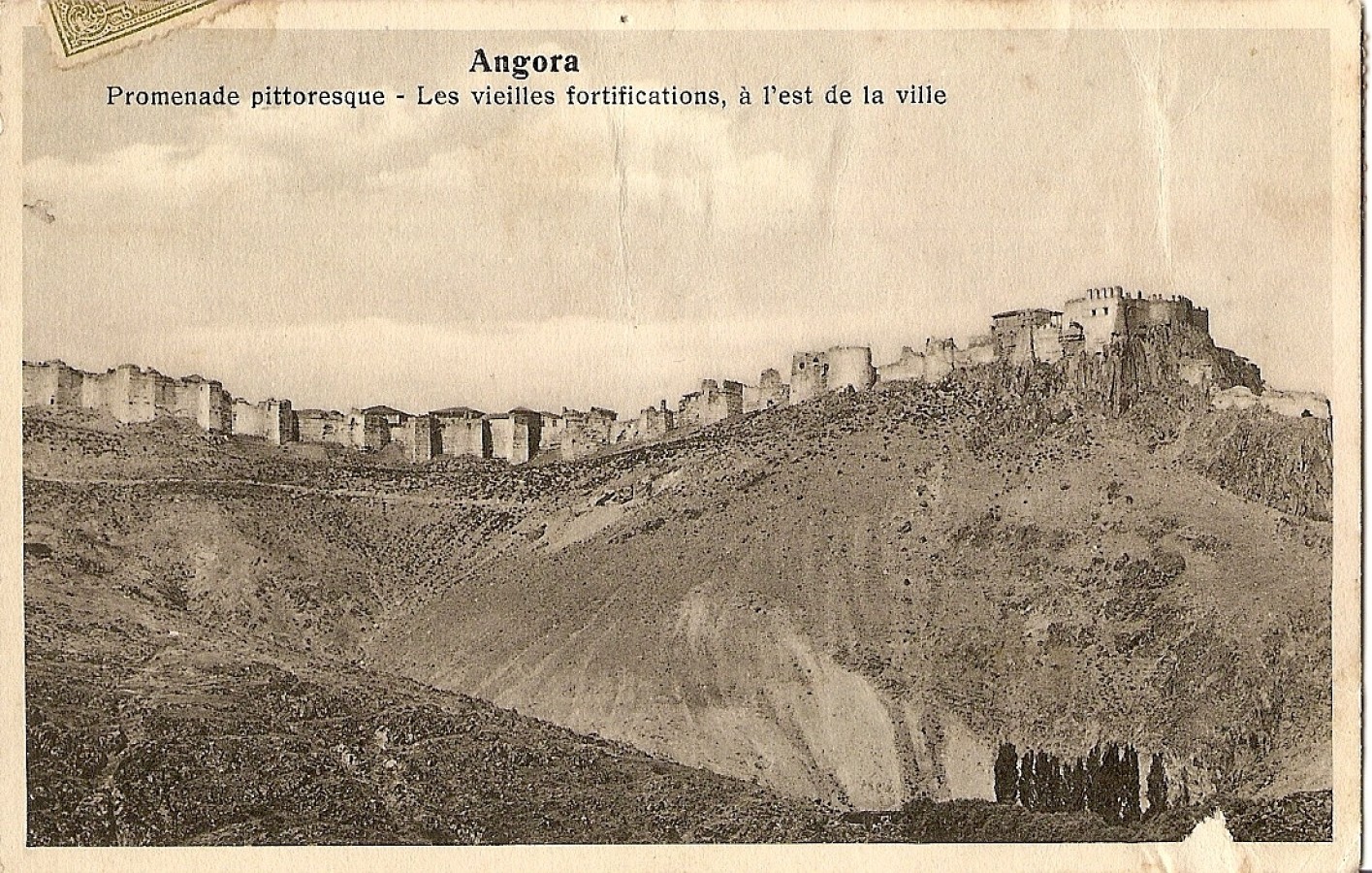
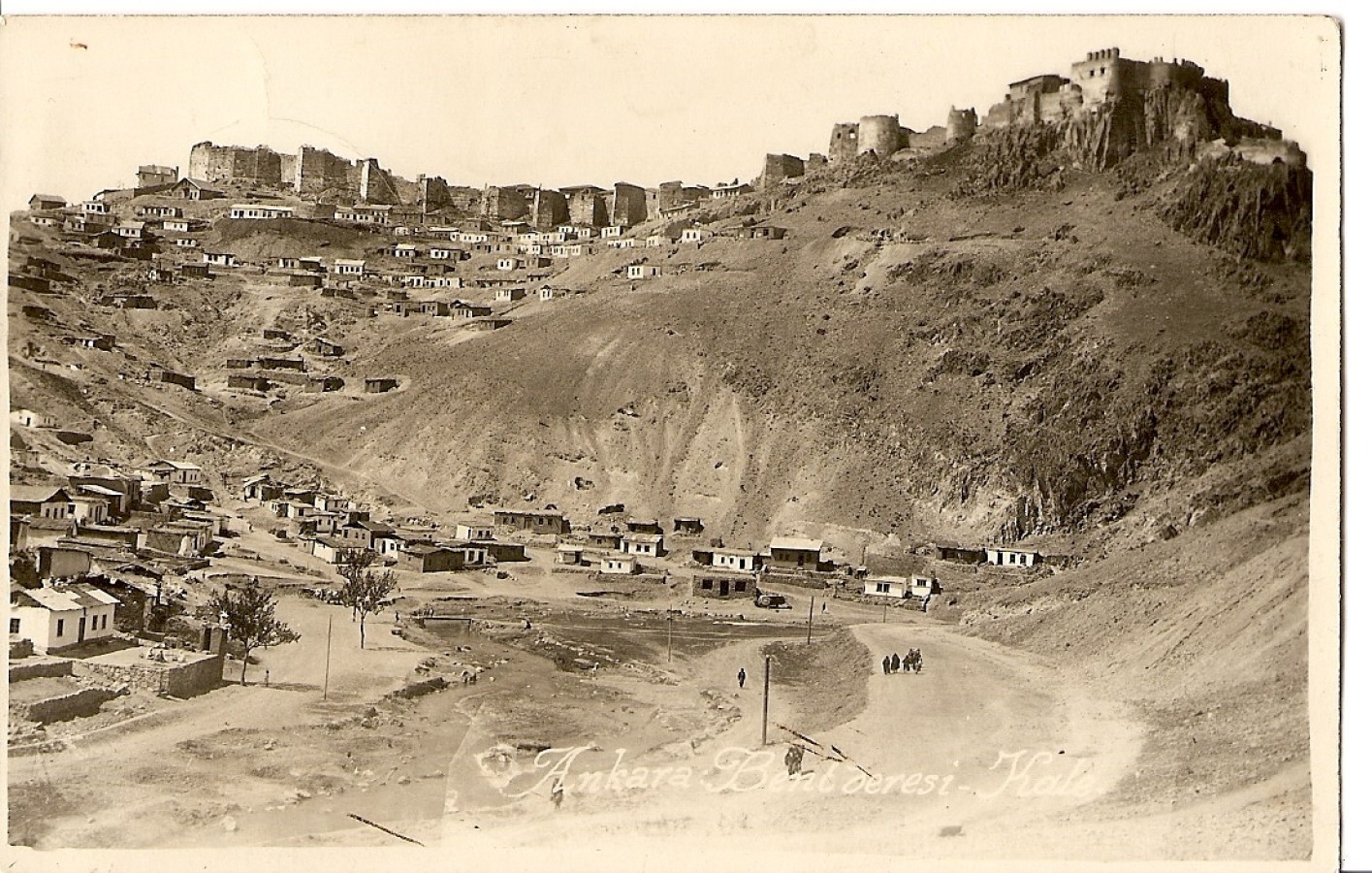
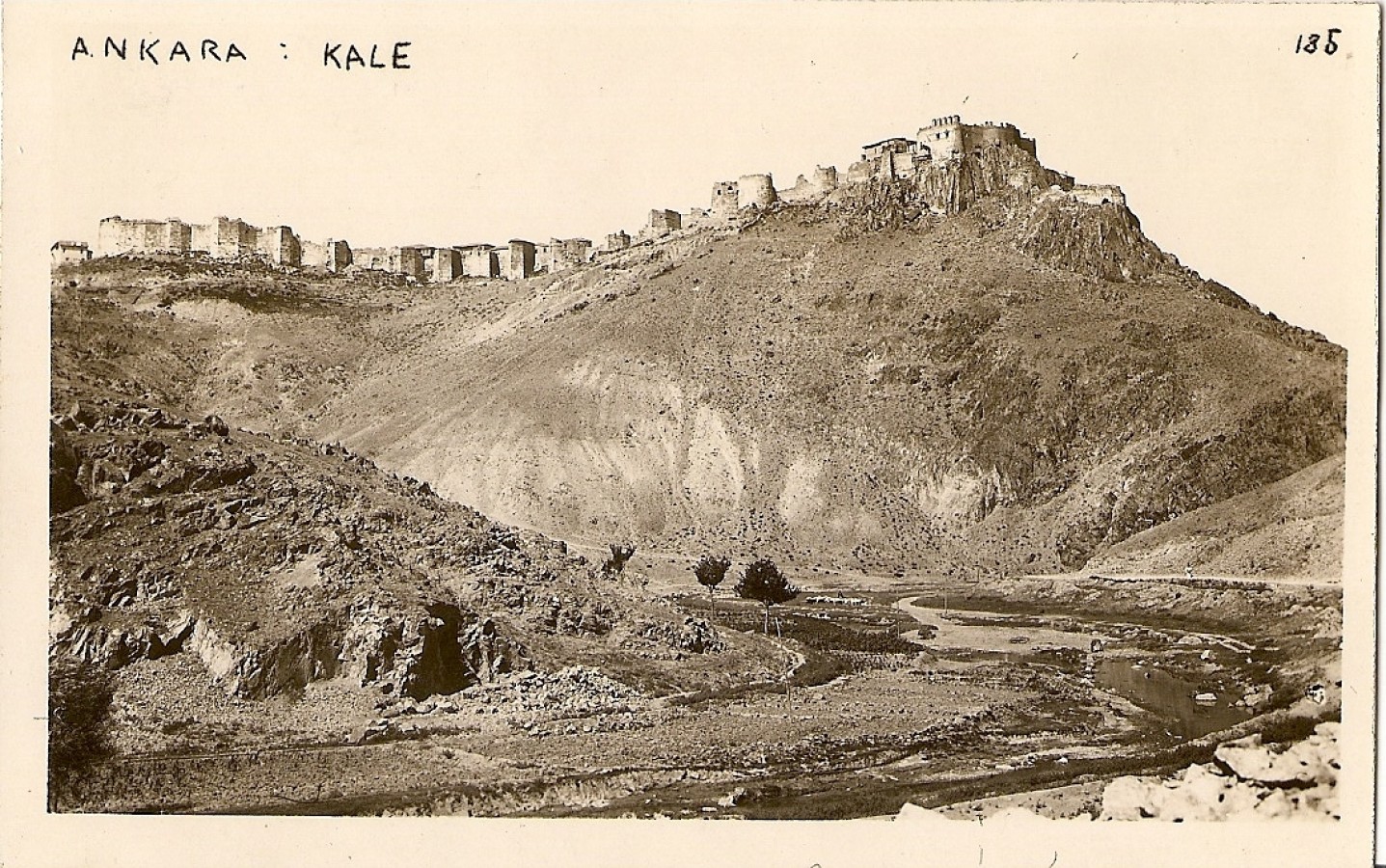
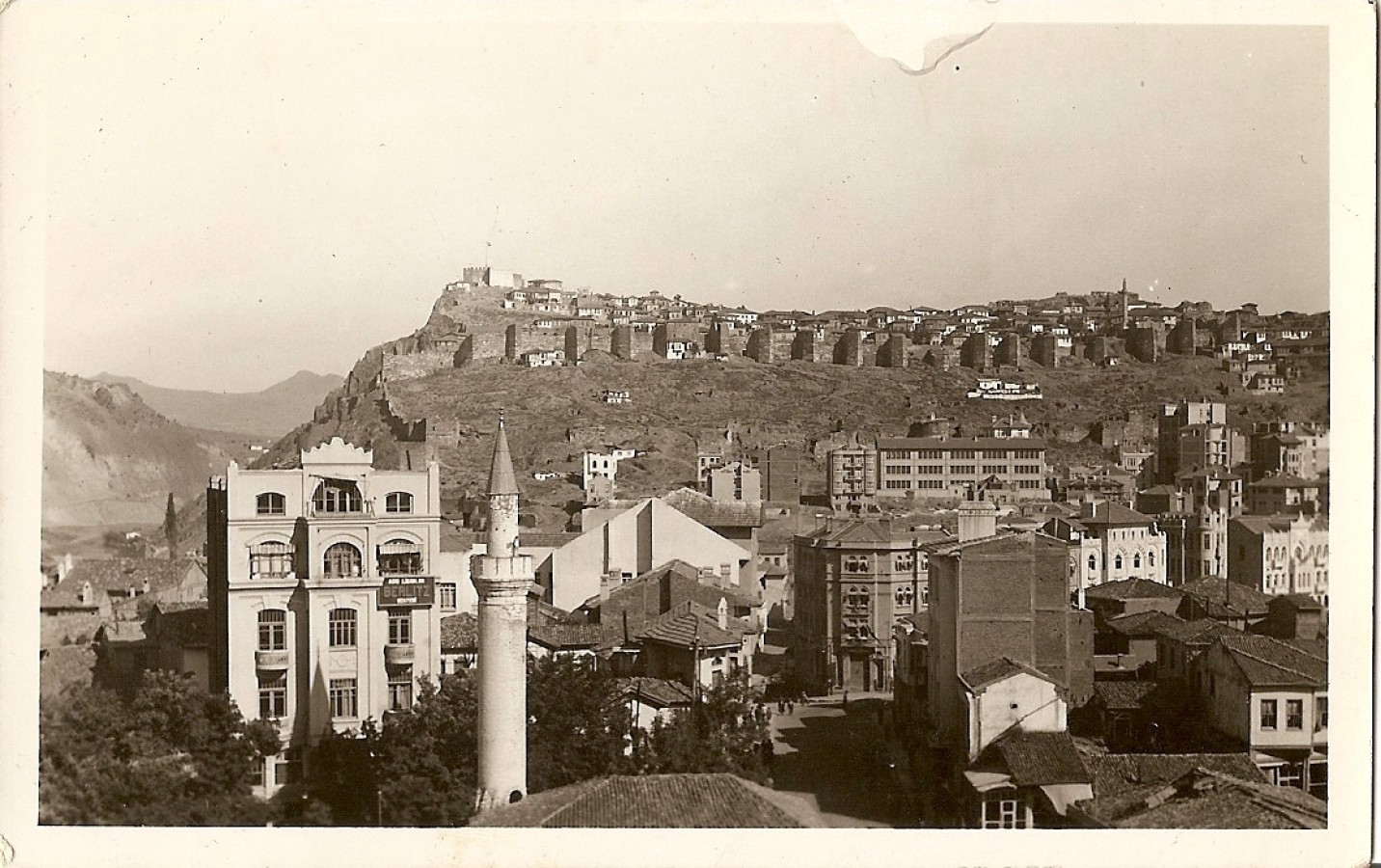
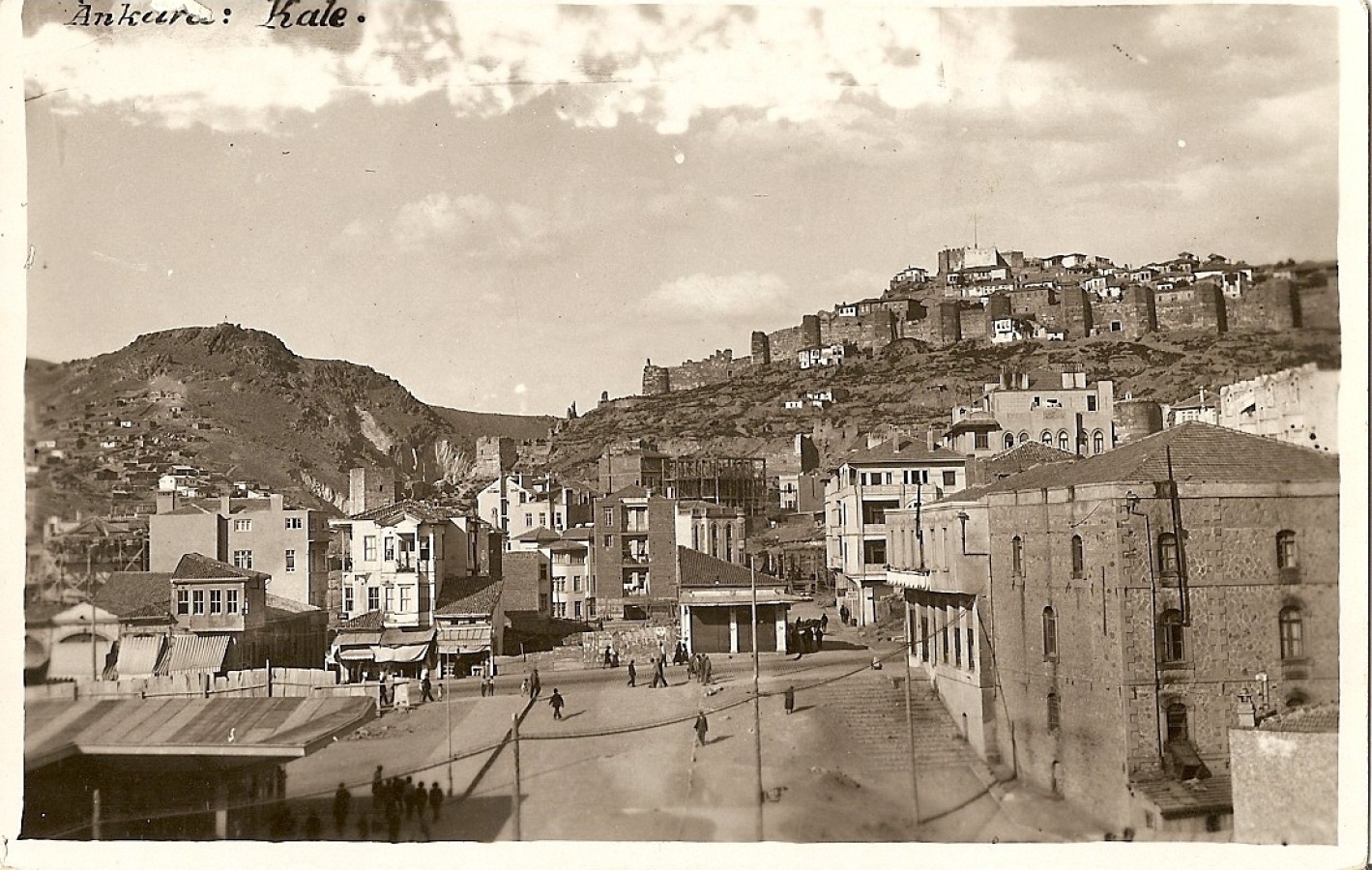
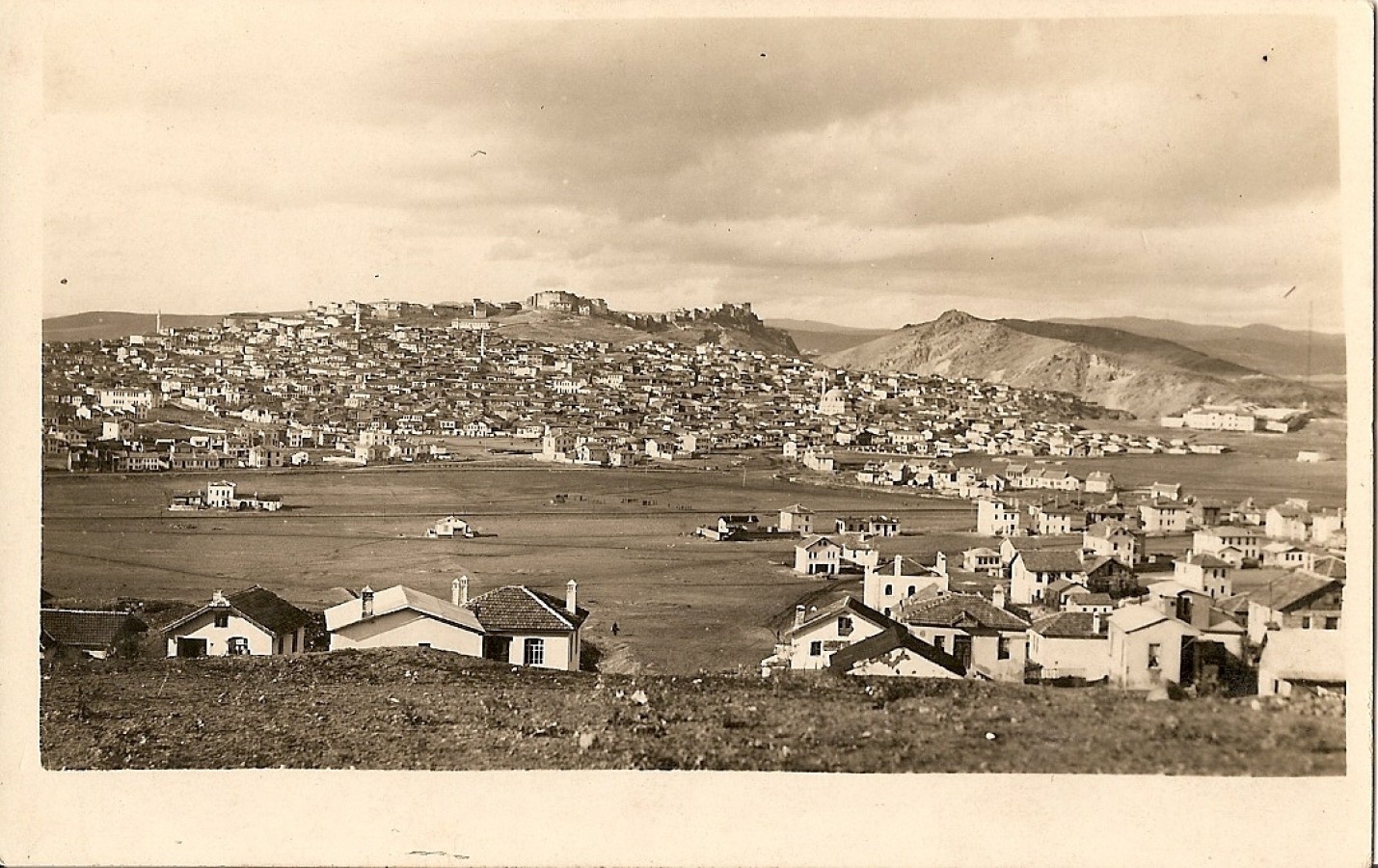
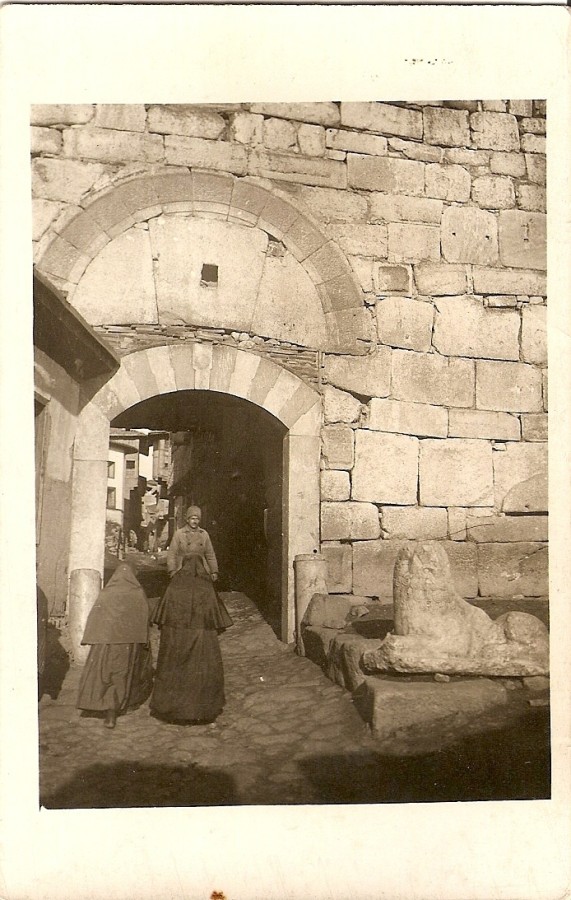
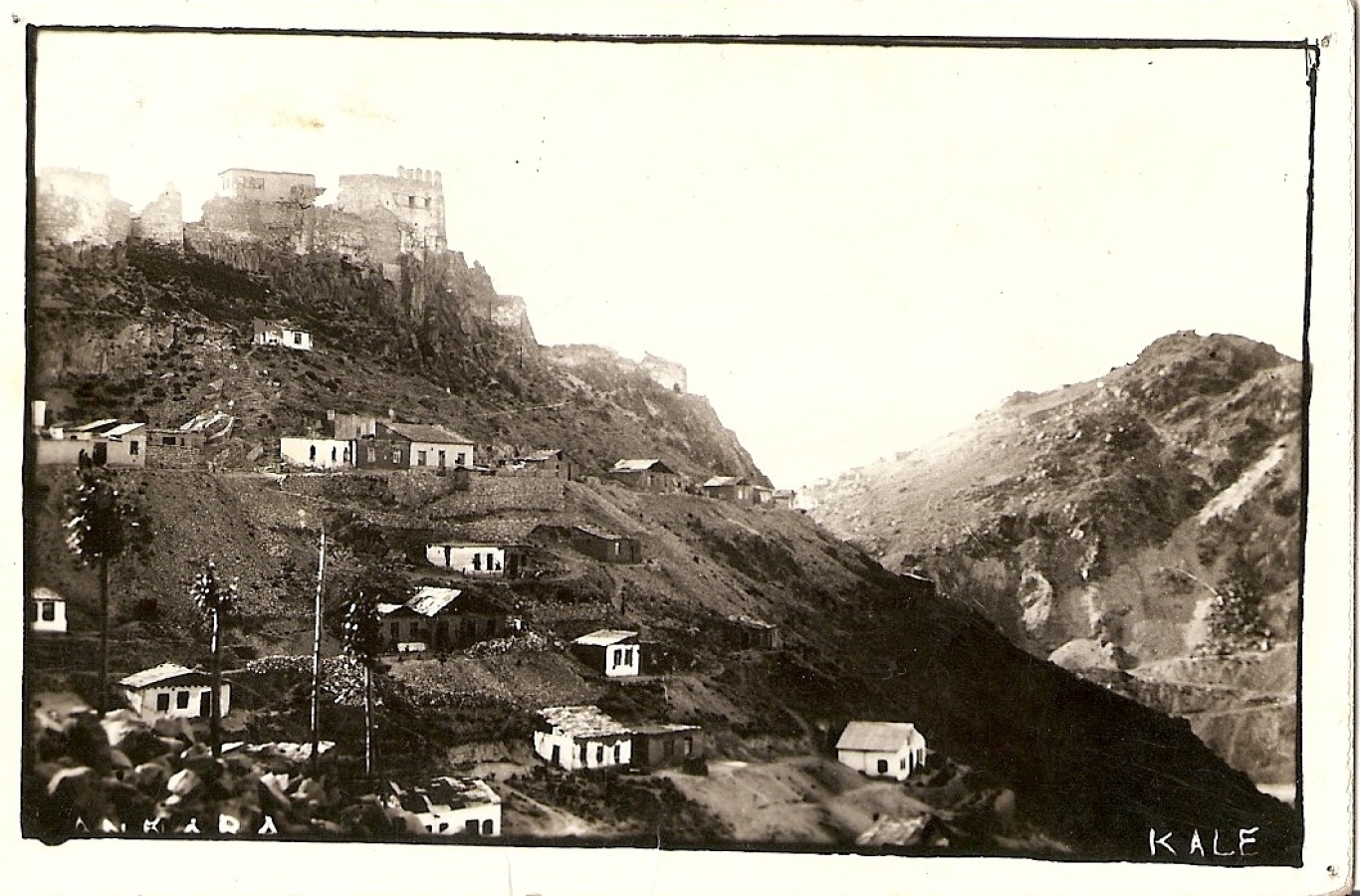
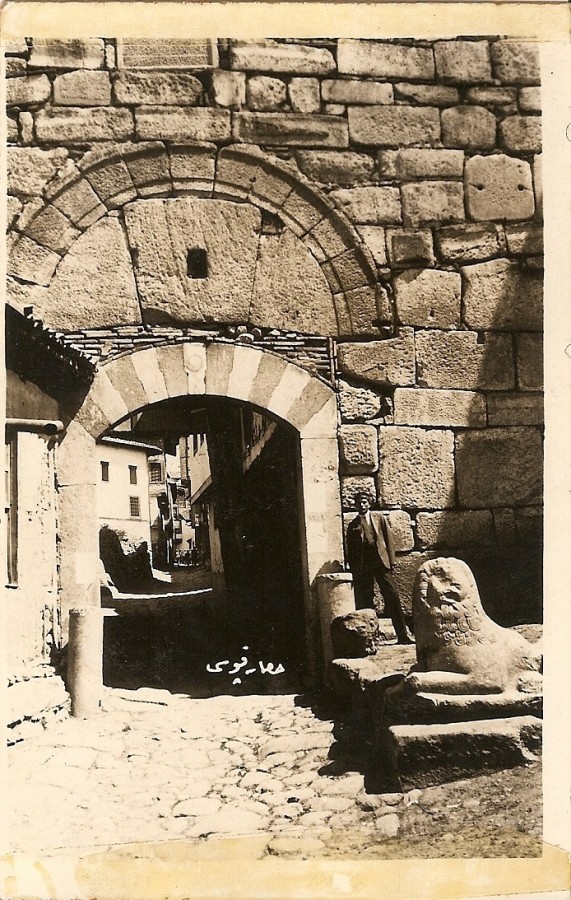
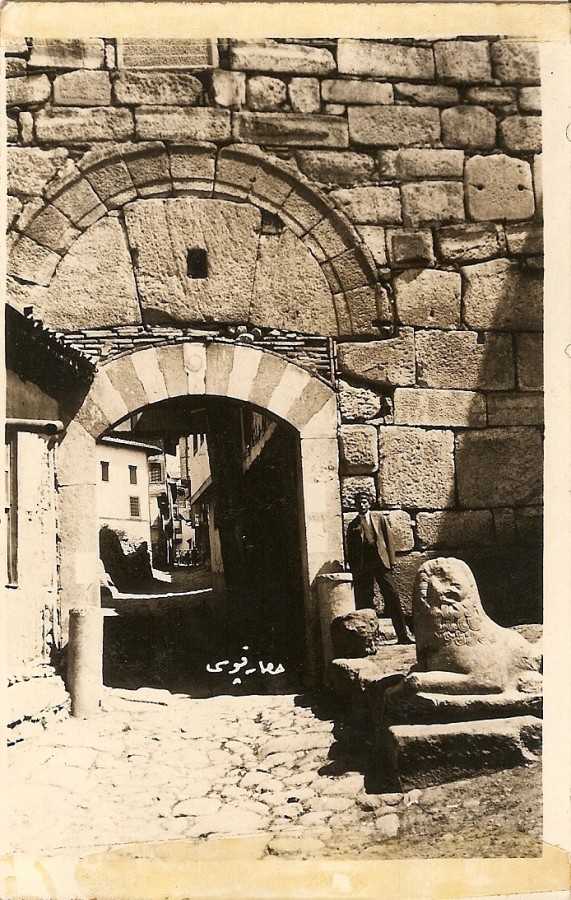
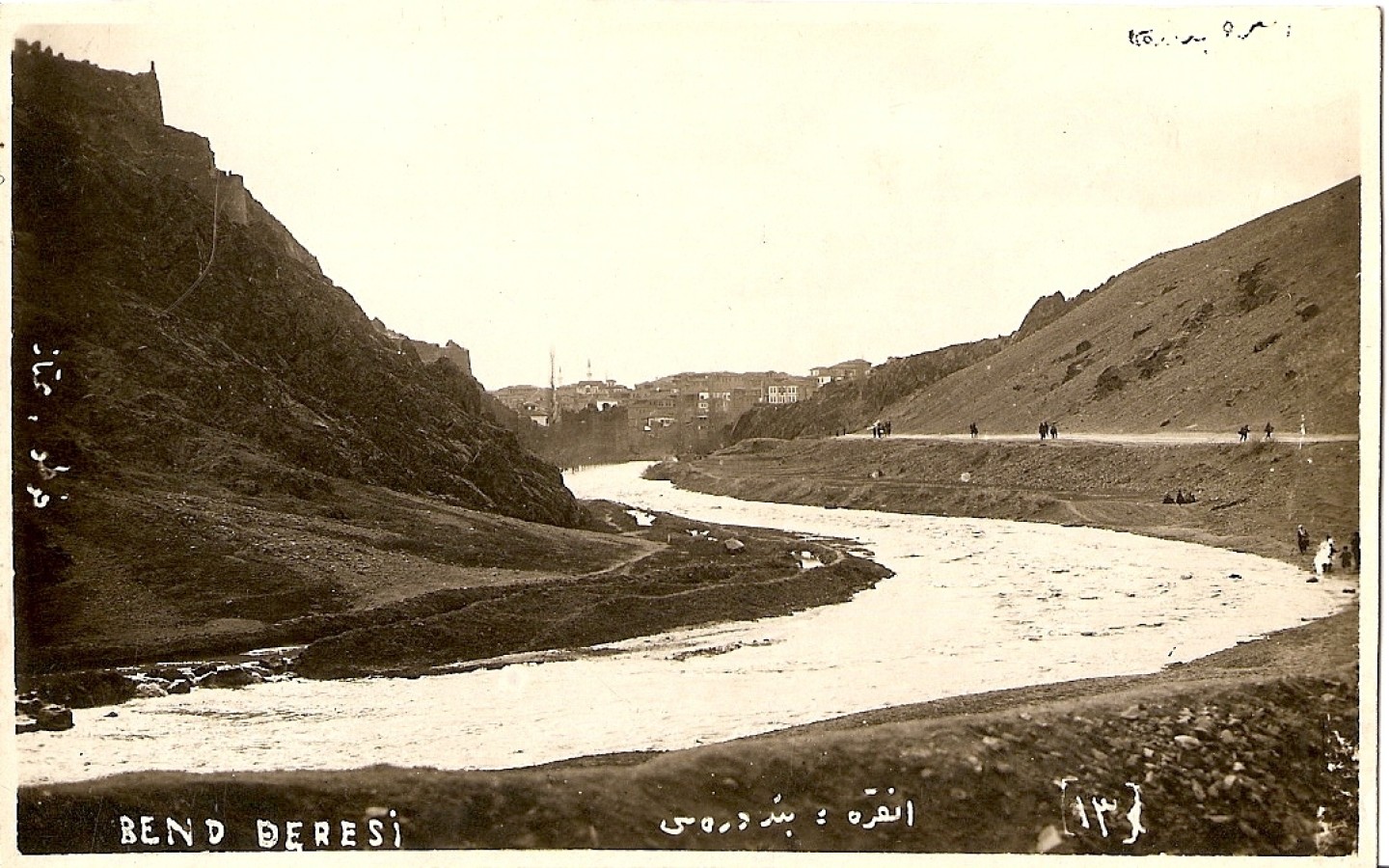
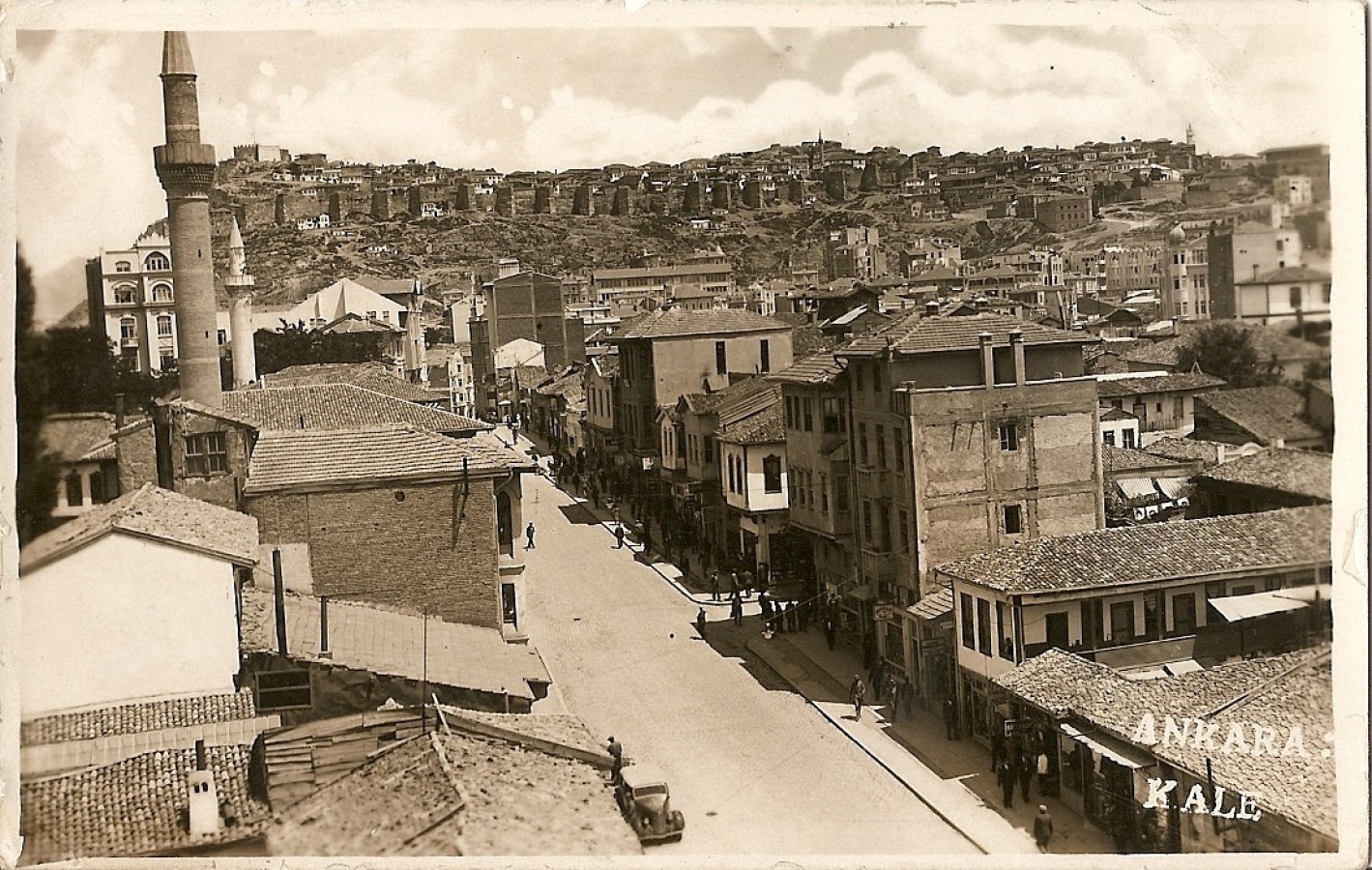
The history of Altındağ is considered inseparable from the history of Ankara Castle. Its known past dates back to the Paleolithic Age; however, the most illuminating findings do not extend beyond the Hittite period. During the Hittite era, dating from 4000 to 1200 BC, it is known that the Inner Citadel (İçkale) section of Ankara Castle was open to settlement. Following Persian rule in 547 BC, Ankara came under the control of the Galatians in 281 BC and transformed into a fortress city during this period. The location of Ankara Castle, its construction style, and the characteristics of the stones used indicate that the castle was built by the Galatians.
Roman Period
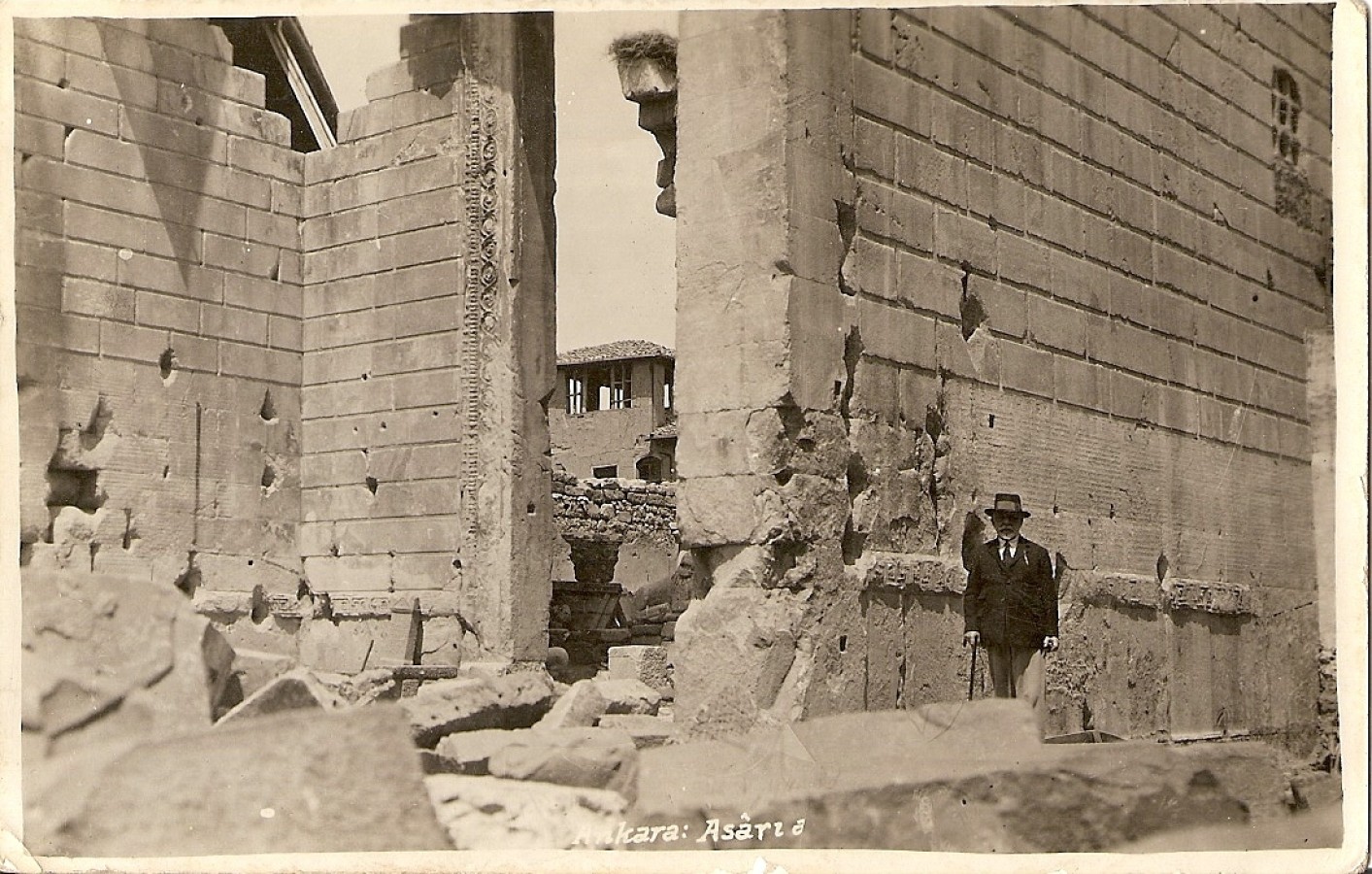
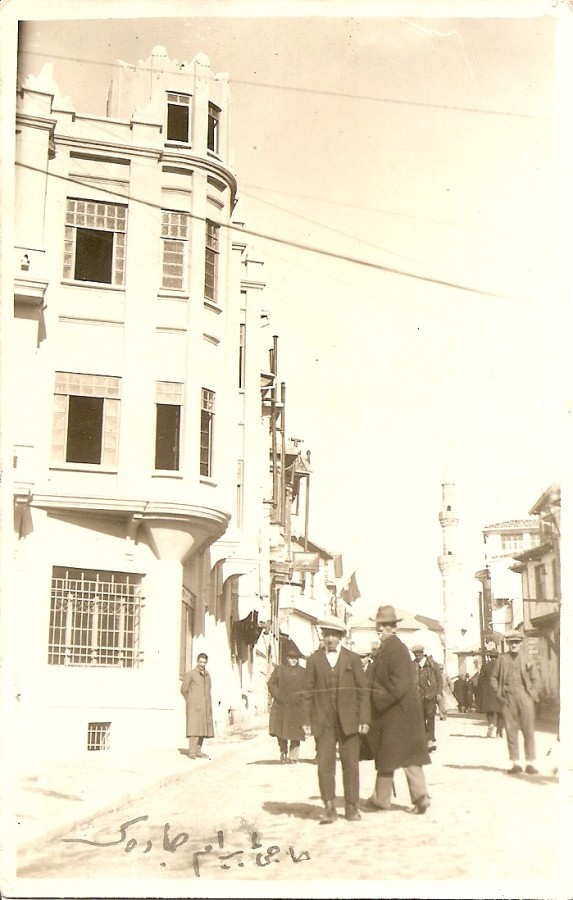
In 25 BC, Ankara became part of Roman territory and gained the status of a regional capital. In AD 10, a temple dedicated to Emperor Augustus was built on the site where the Hacı Bayram-ı Veli Mosque stands today. During this period, Emperor Augustus, inspired by the Greek city-state model, transformed Ankara into a free city consisting of twelve districts. Following the division of the Roman Empire in AD 395, Ankara remained under Byzantine rule until 1073.
Seljuk and Ottoman Period
Ankara came under Turkish control in 1073 and was ruled by Seljuk Sultan Mesut I in 1143 and by Kılıç Arslan II in 1169. The Alaaddin Mosque in the Inner Citadel and the Arslanhane (Ahi Şerafettin) Mosque in the Samanpazarı district are among the most important surviving works from the Seljuk period.
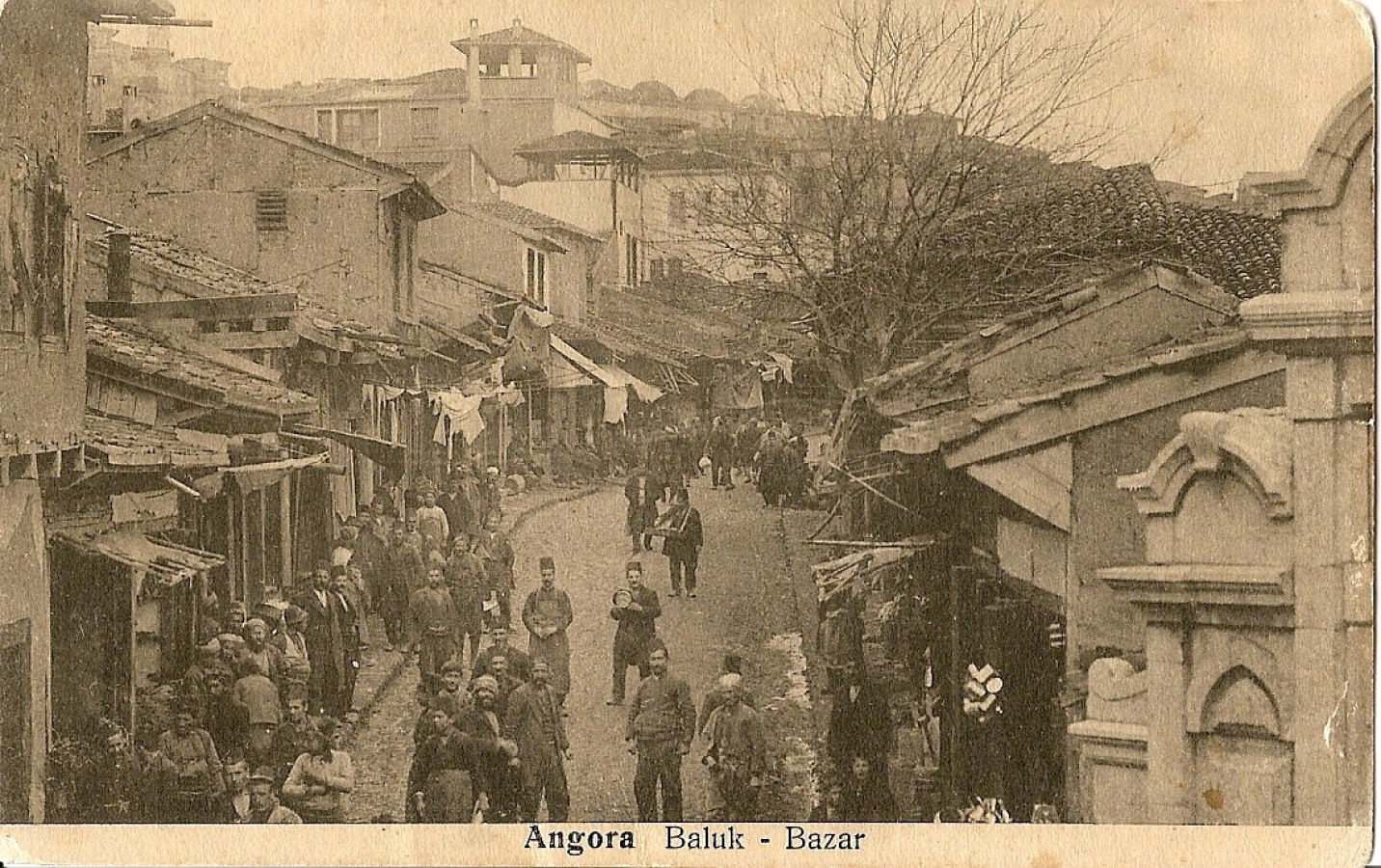
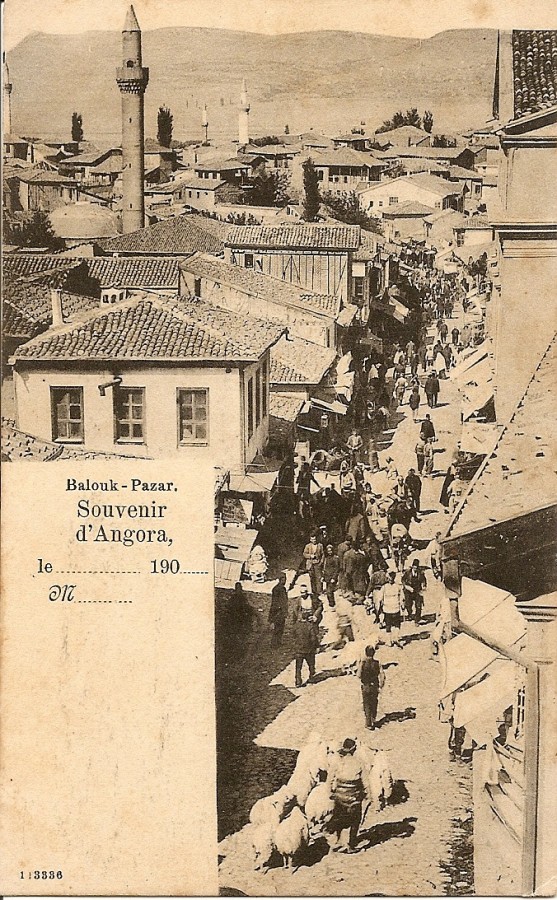
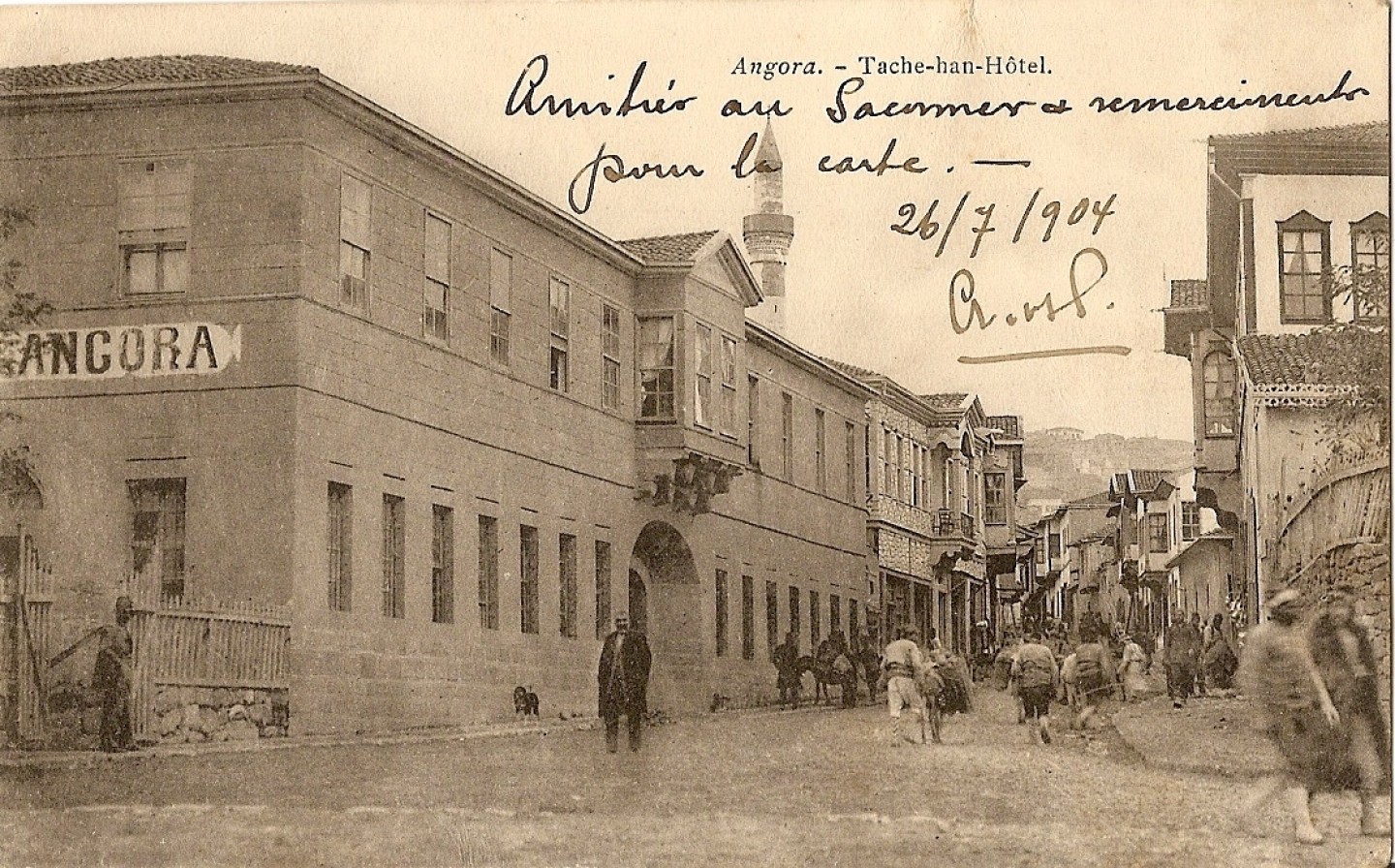
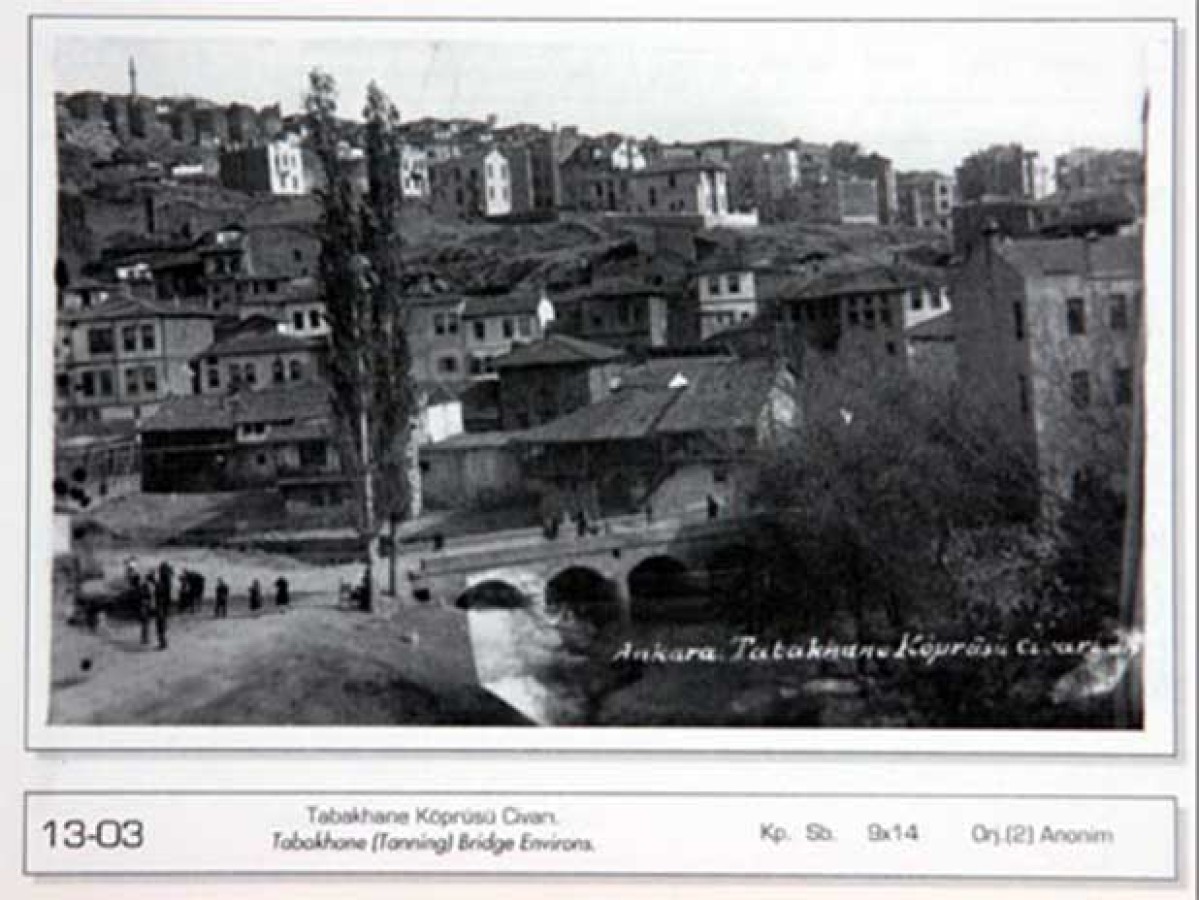
During the 14th century, Ankara frequently changed hands, coming under the rule of the Ilkhanids, the Eretna Principality, the Ahi Brotherhood, and eventually the Ottomans. The famous Battle of Ankara took place in the region in 1402. During the Ottoman era, Ankara first served as the center of the Greater Anatolian Province and later as a sanjak center. Textile production (sof), tanning, and shoemaking flourished, and with the development of trade, numerous inns (hans) and covered bazaars (bedestens) were constructed.
Republican Period
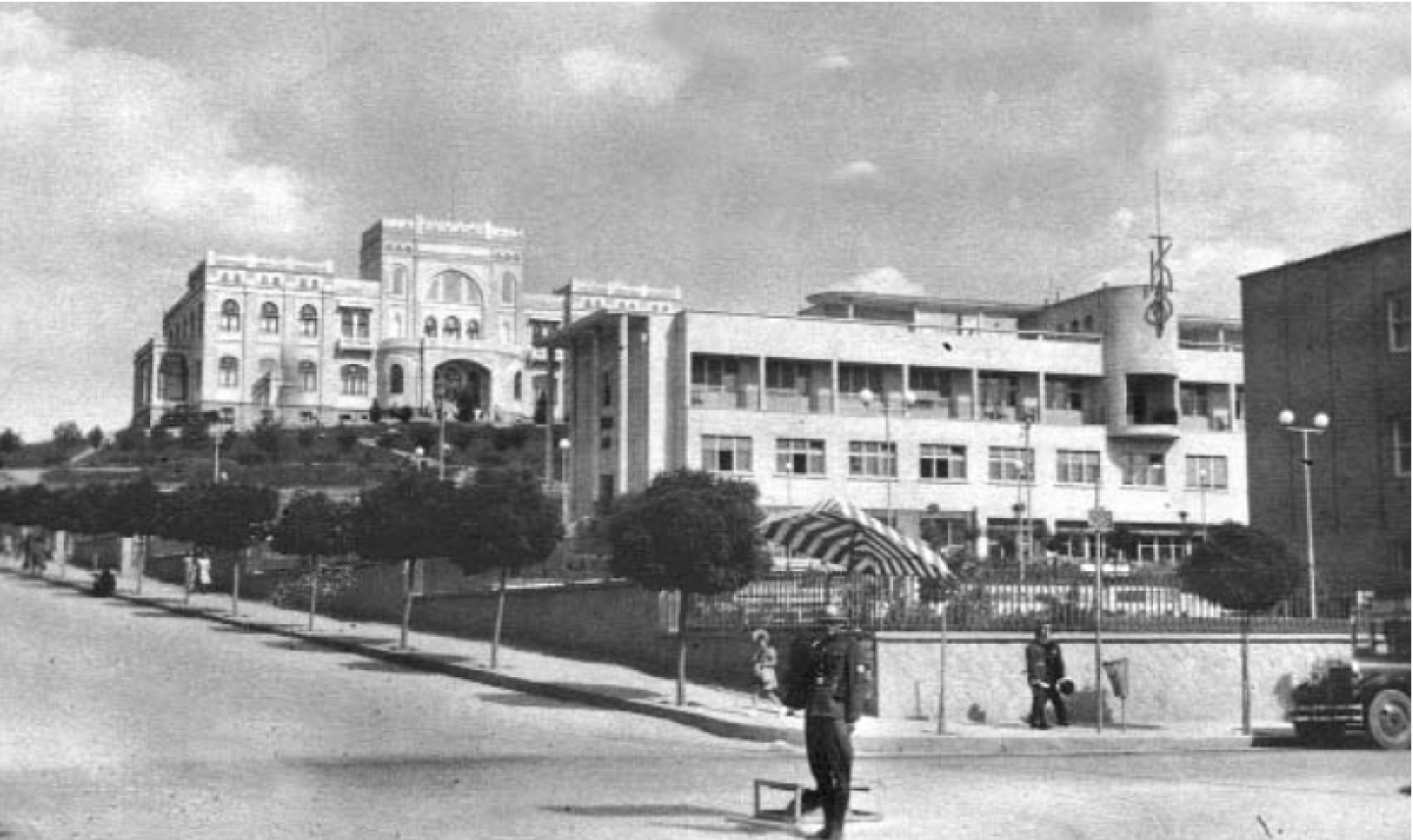
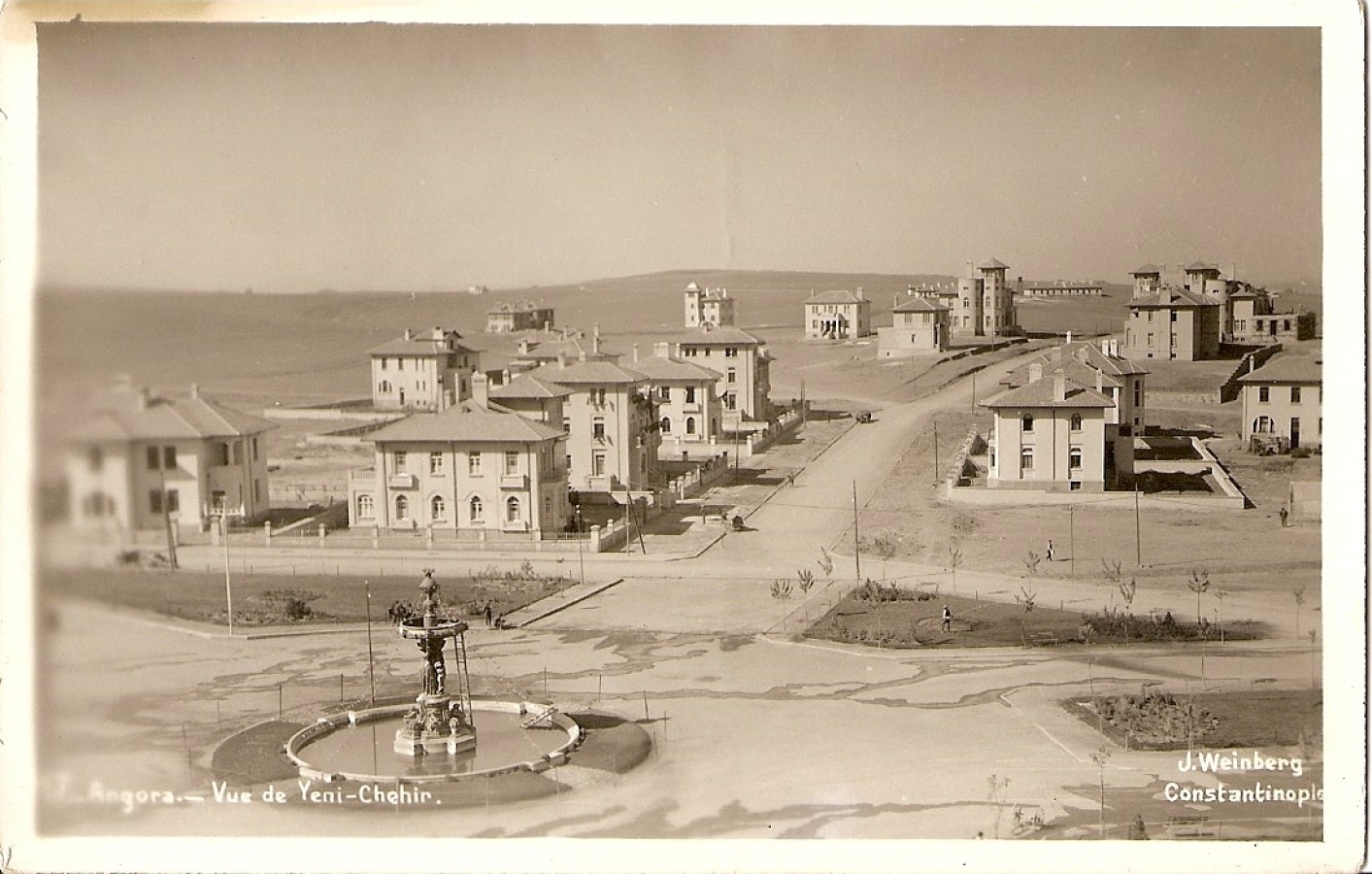
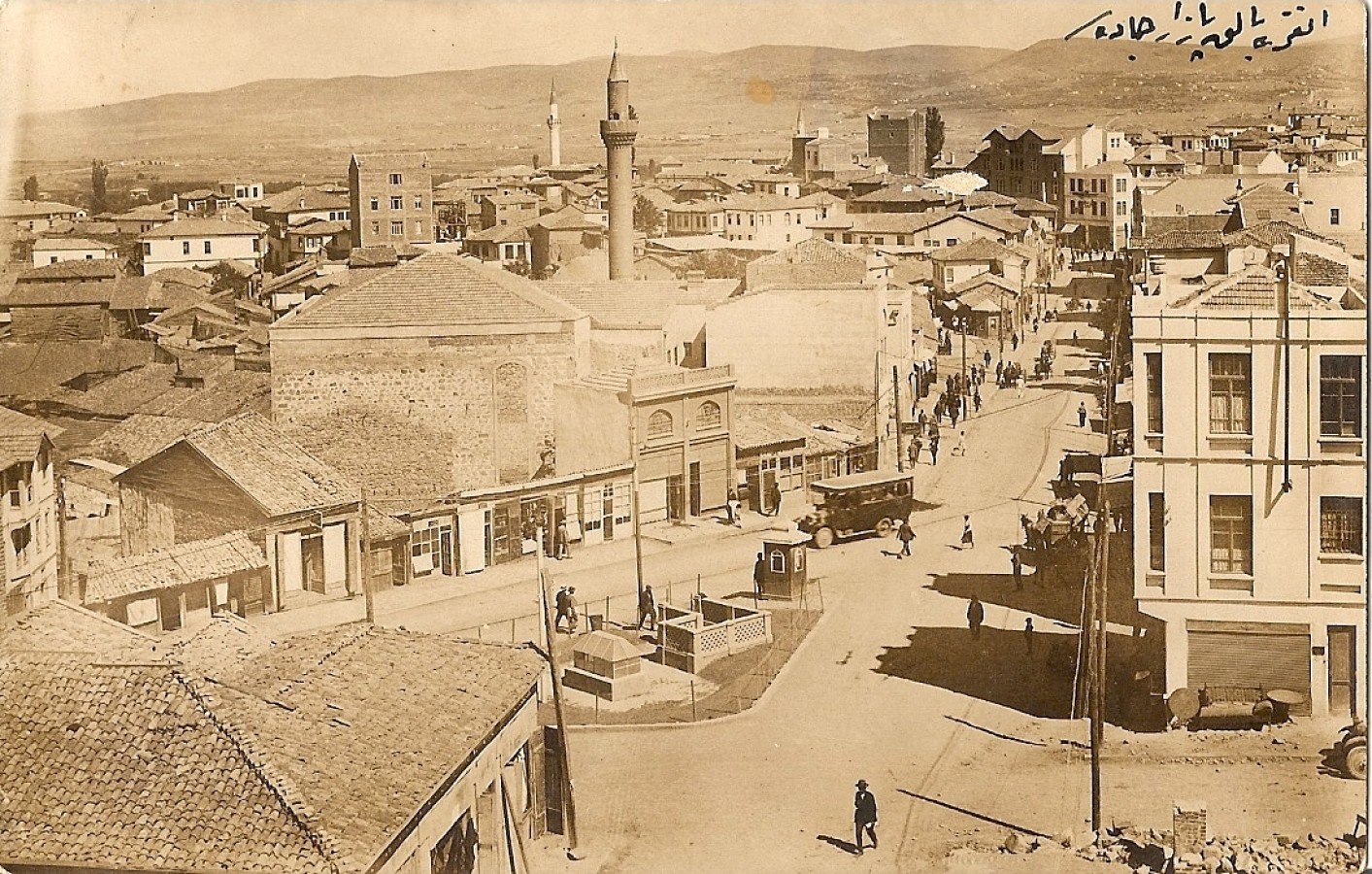
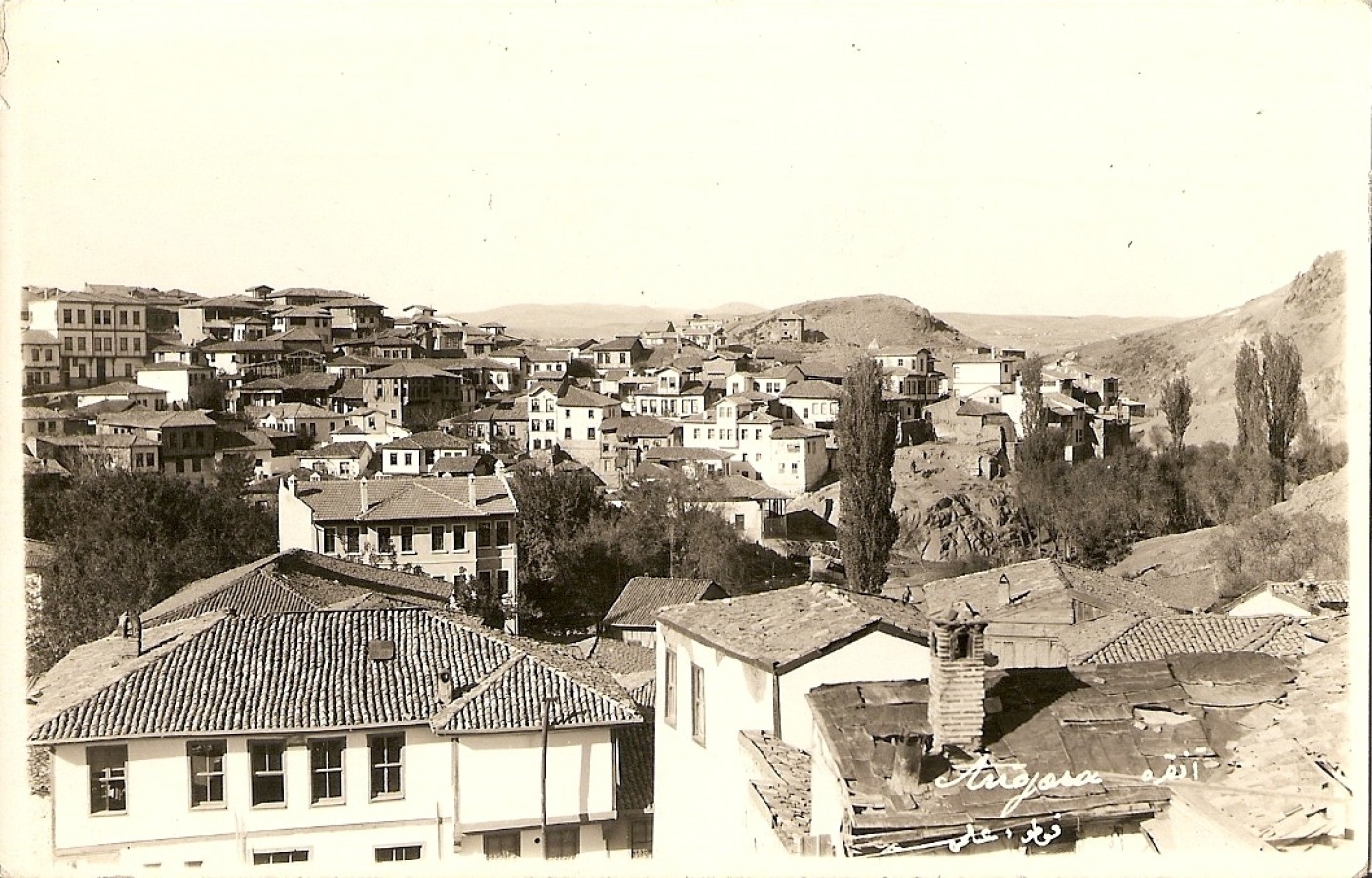
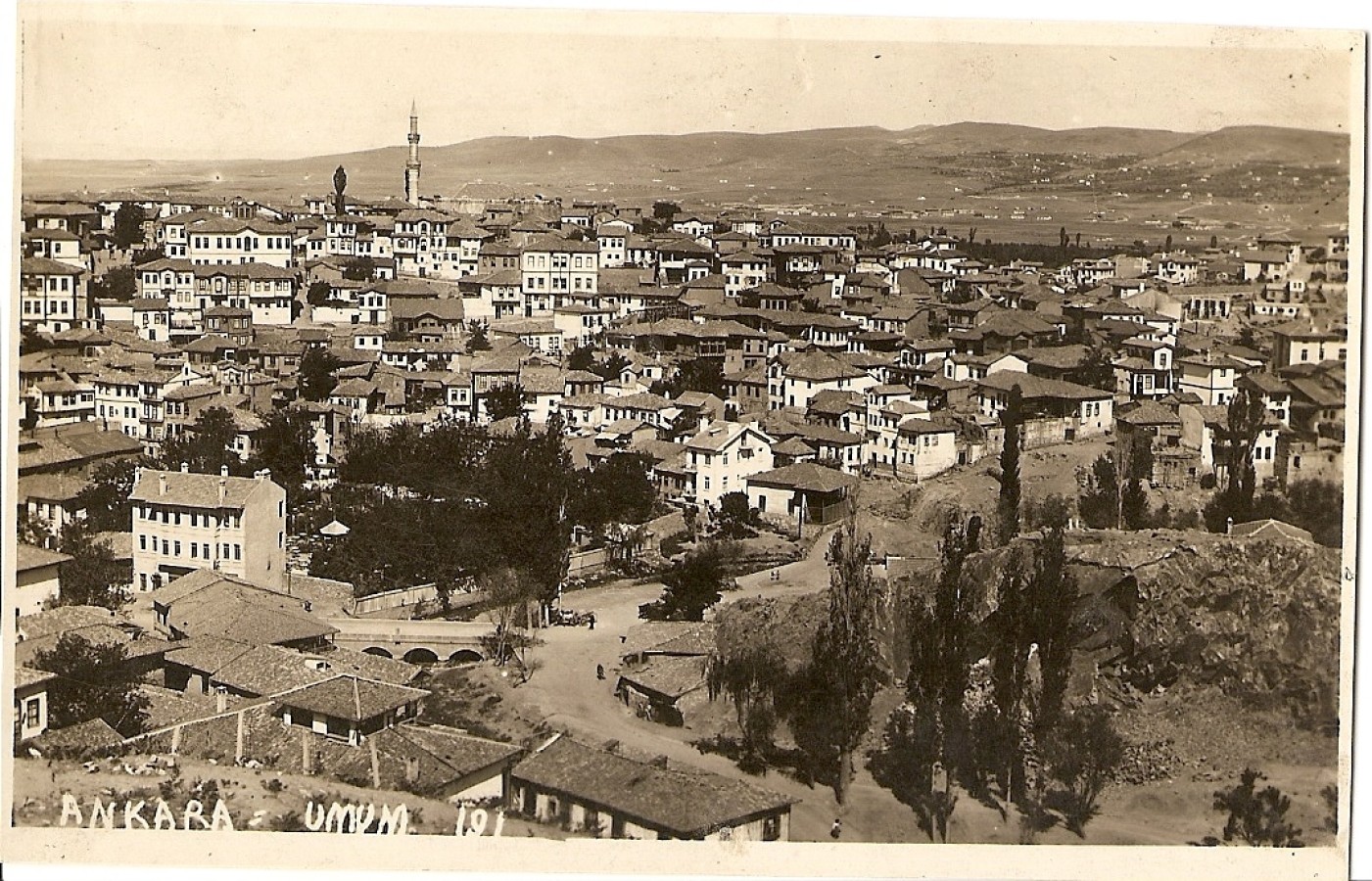
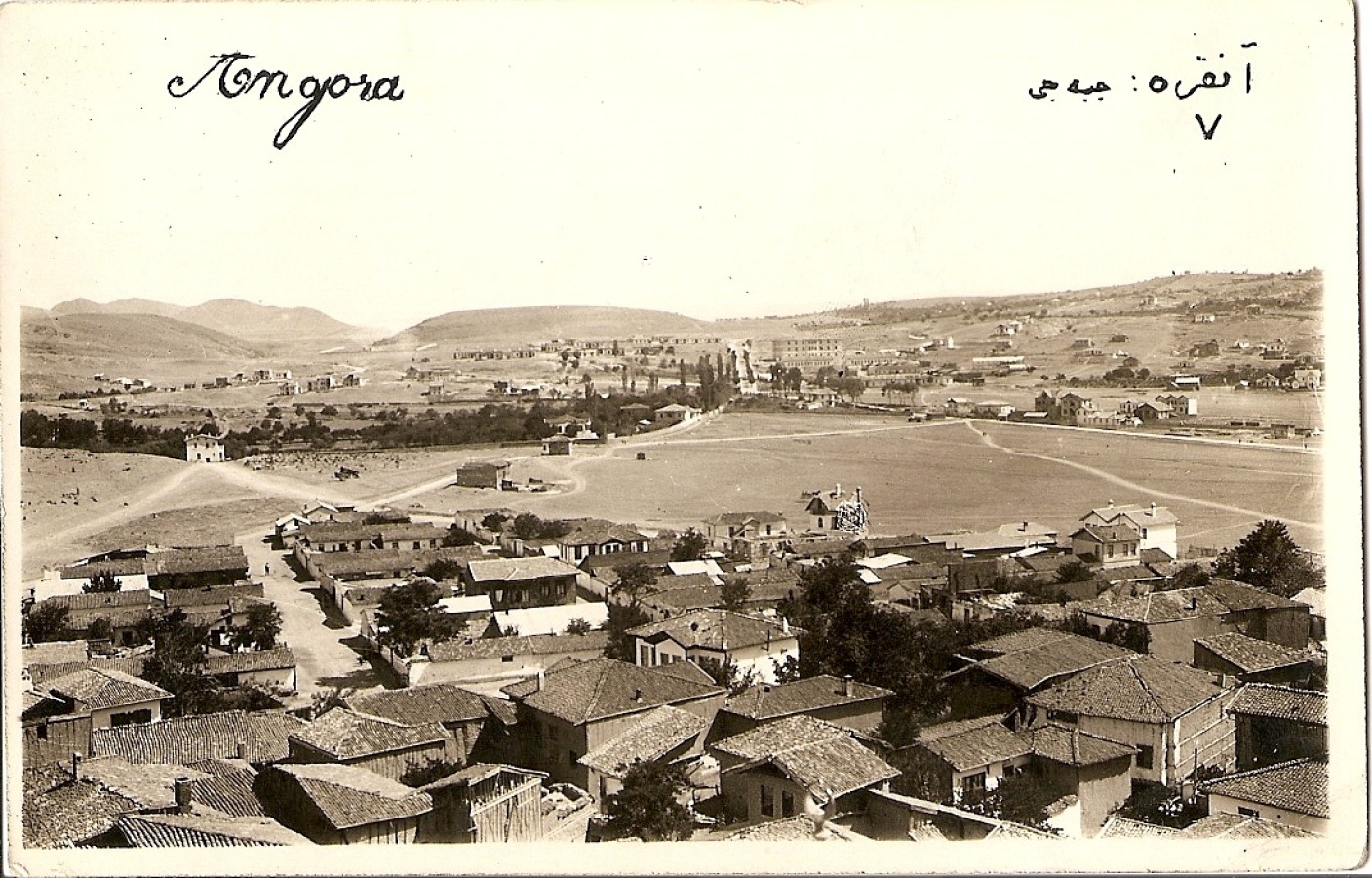
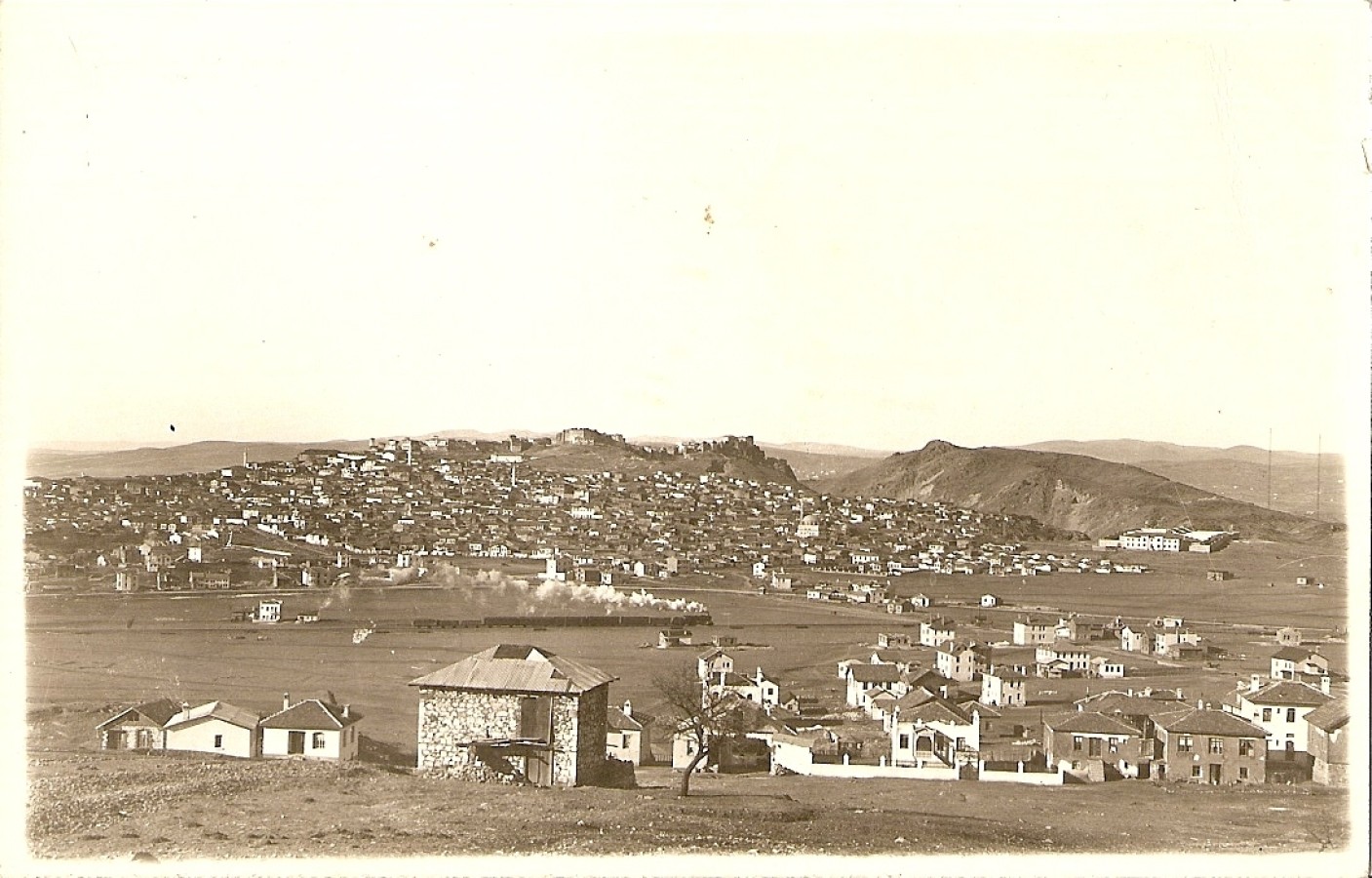
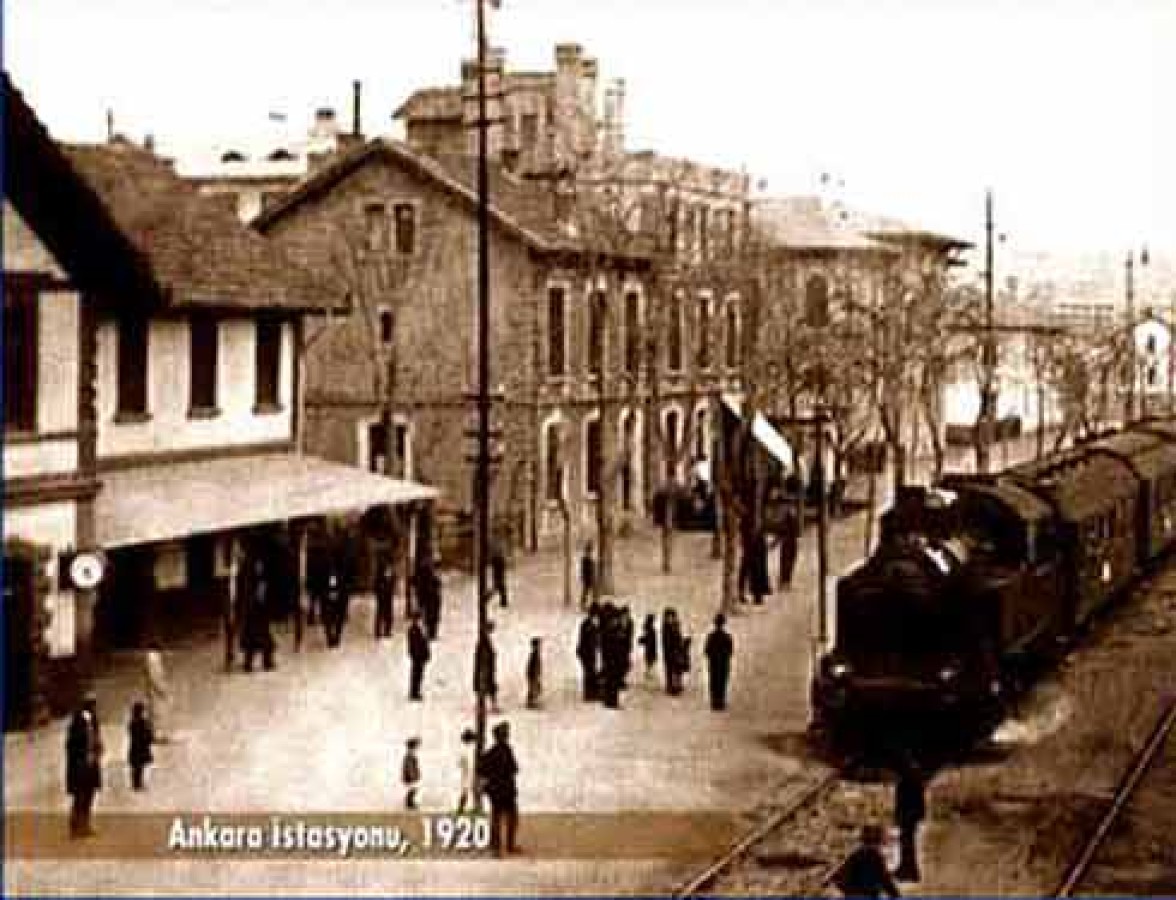
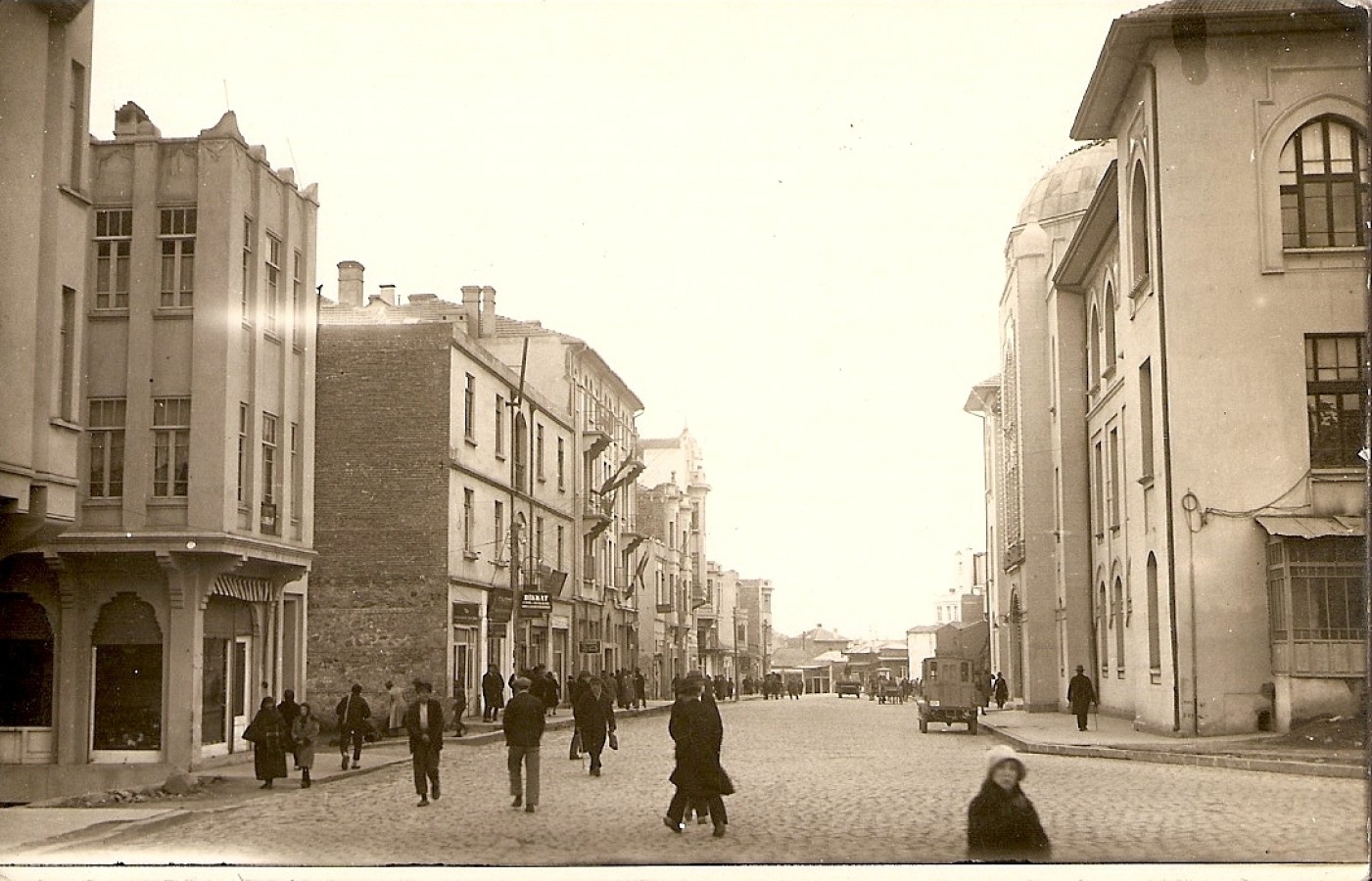
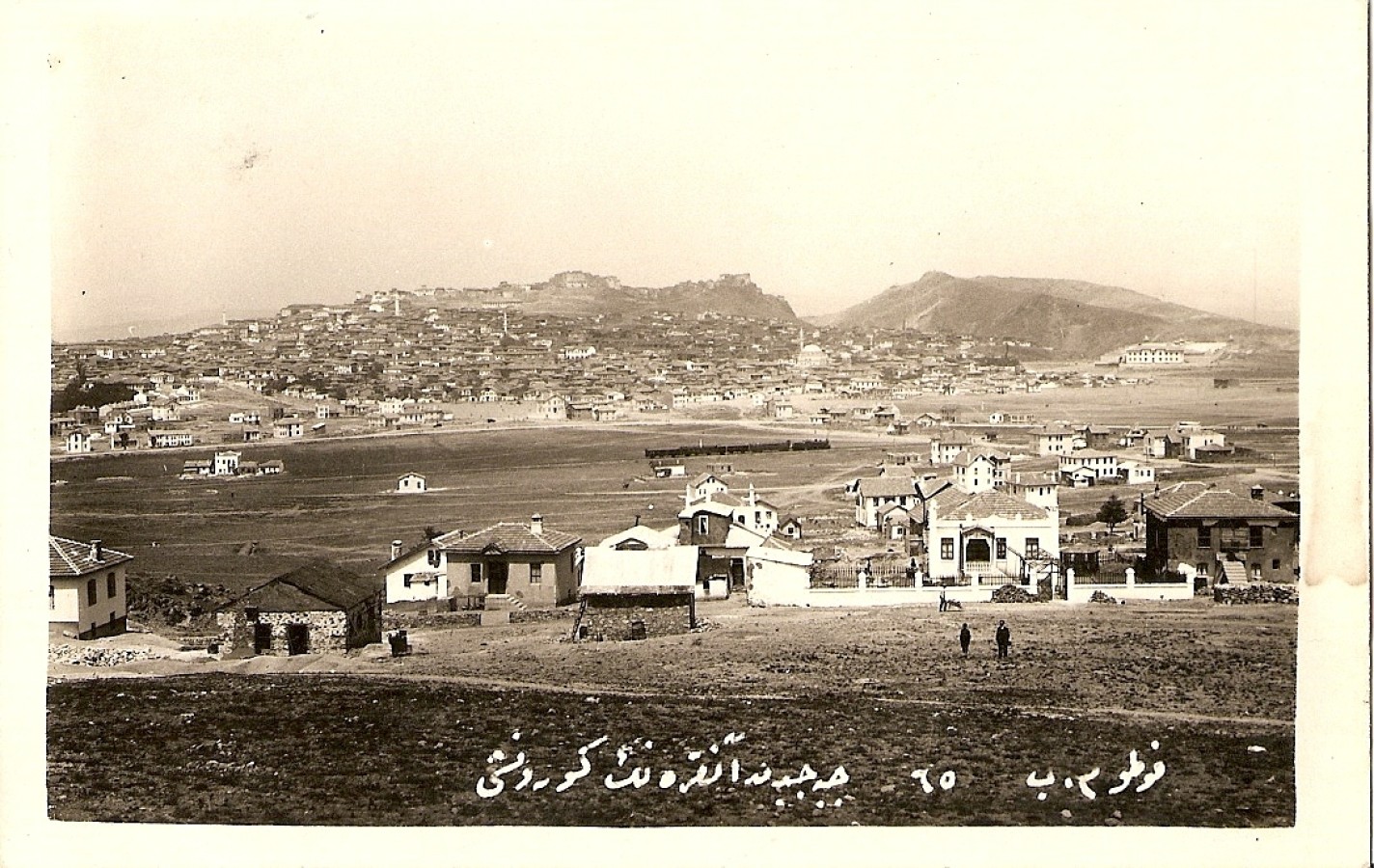
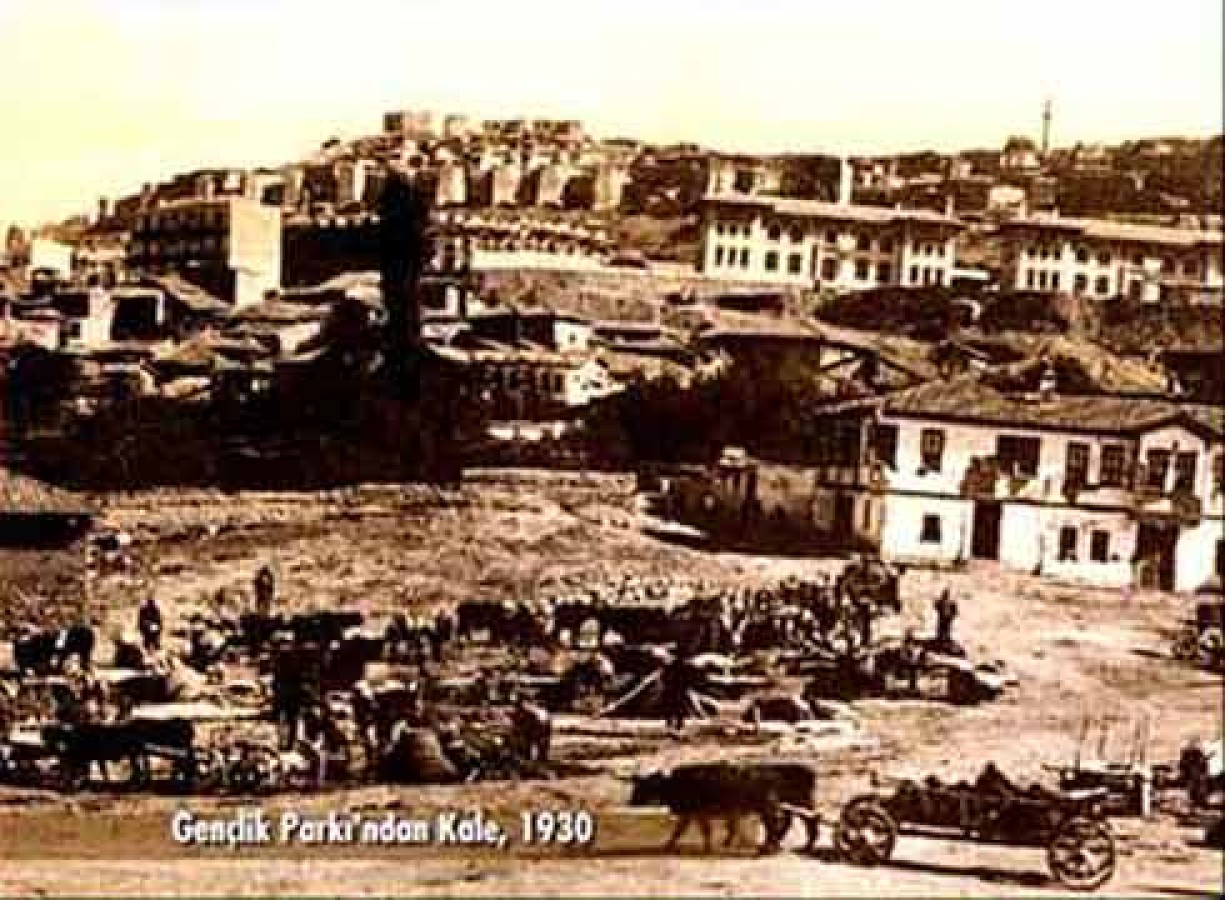
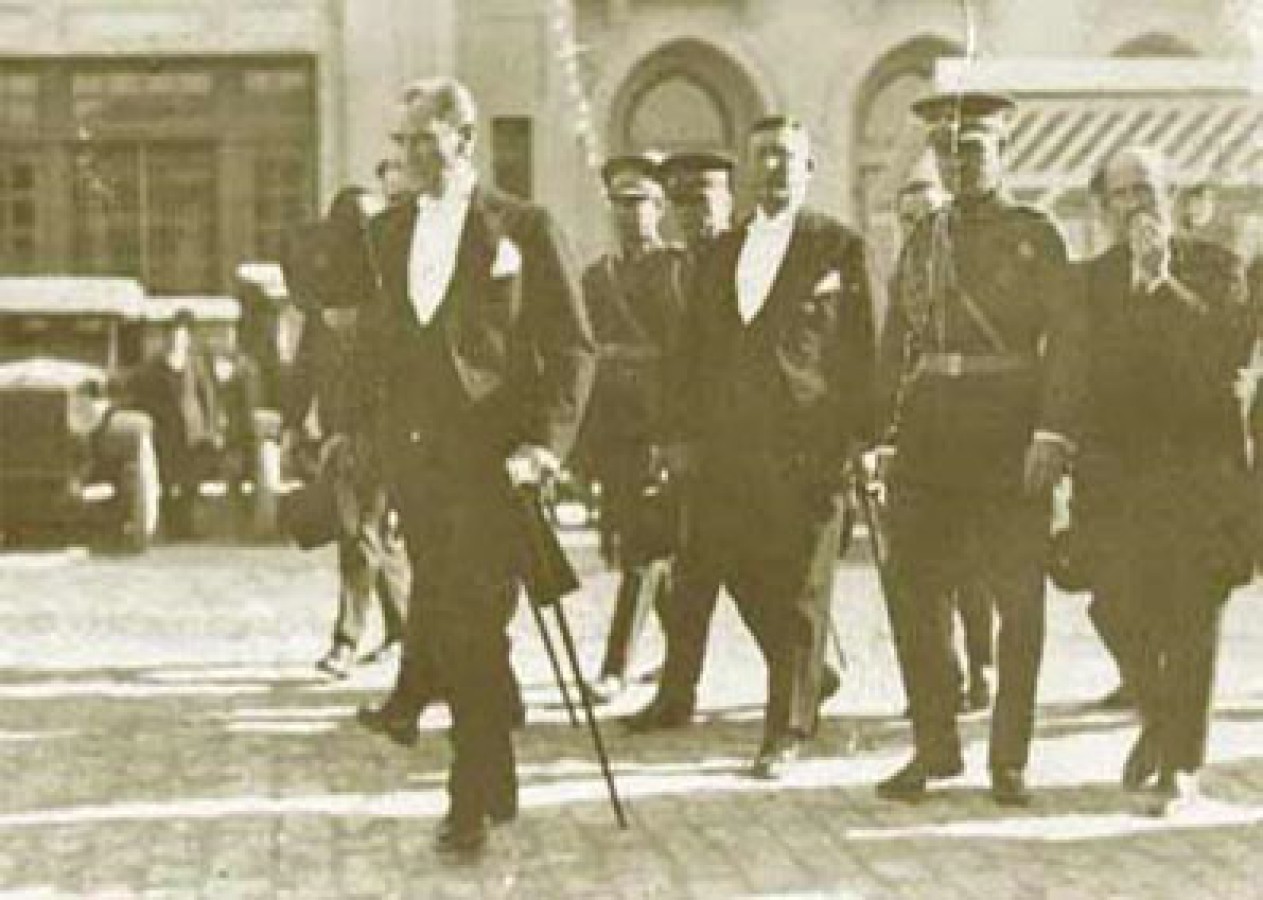
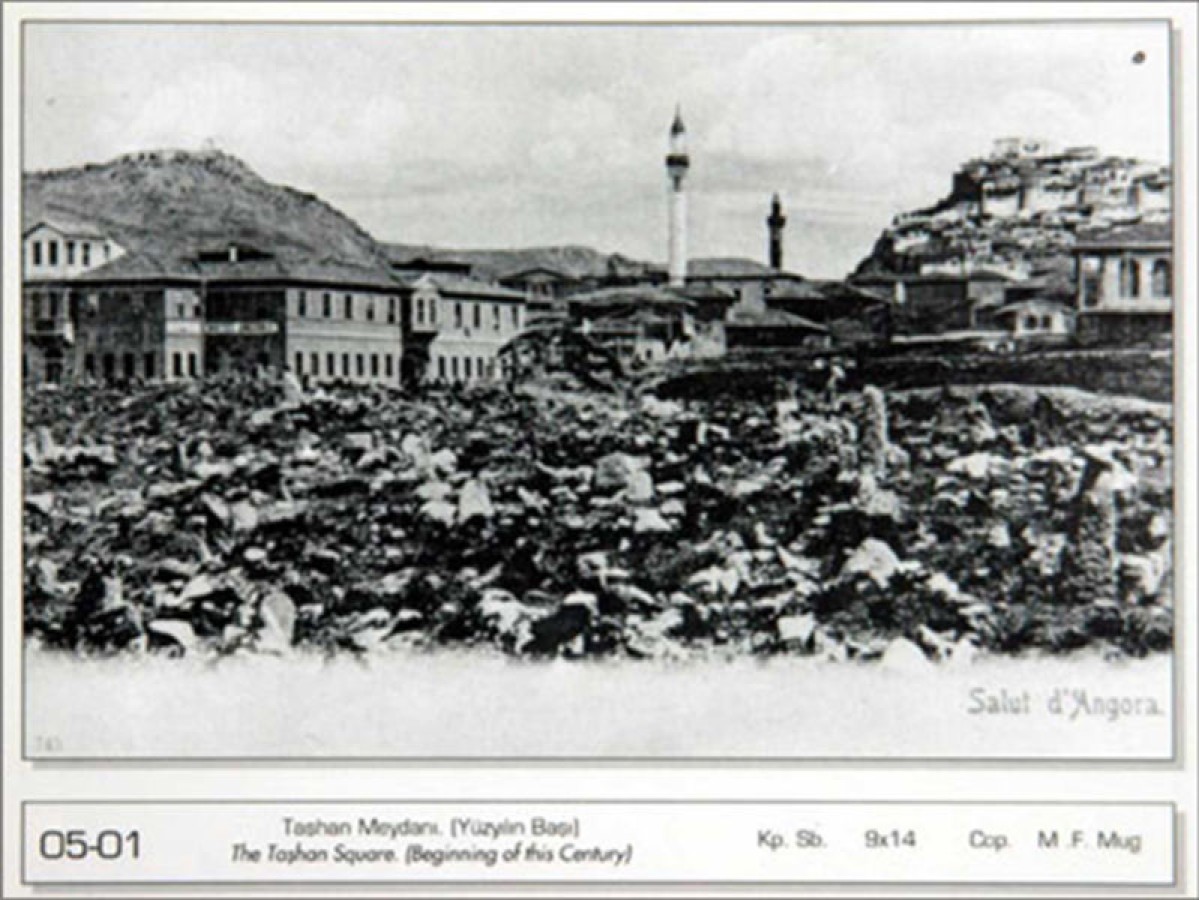
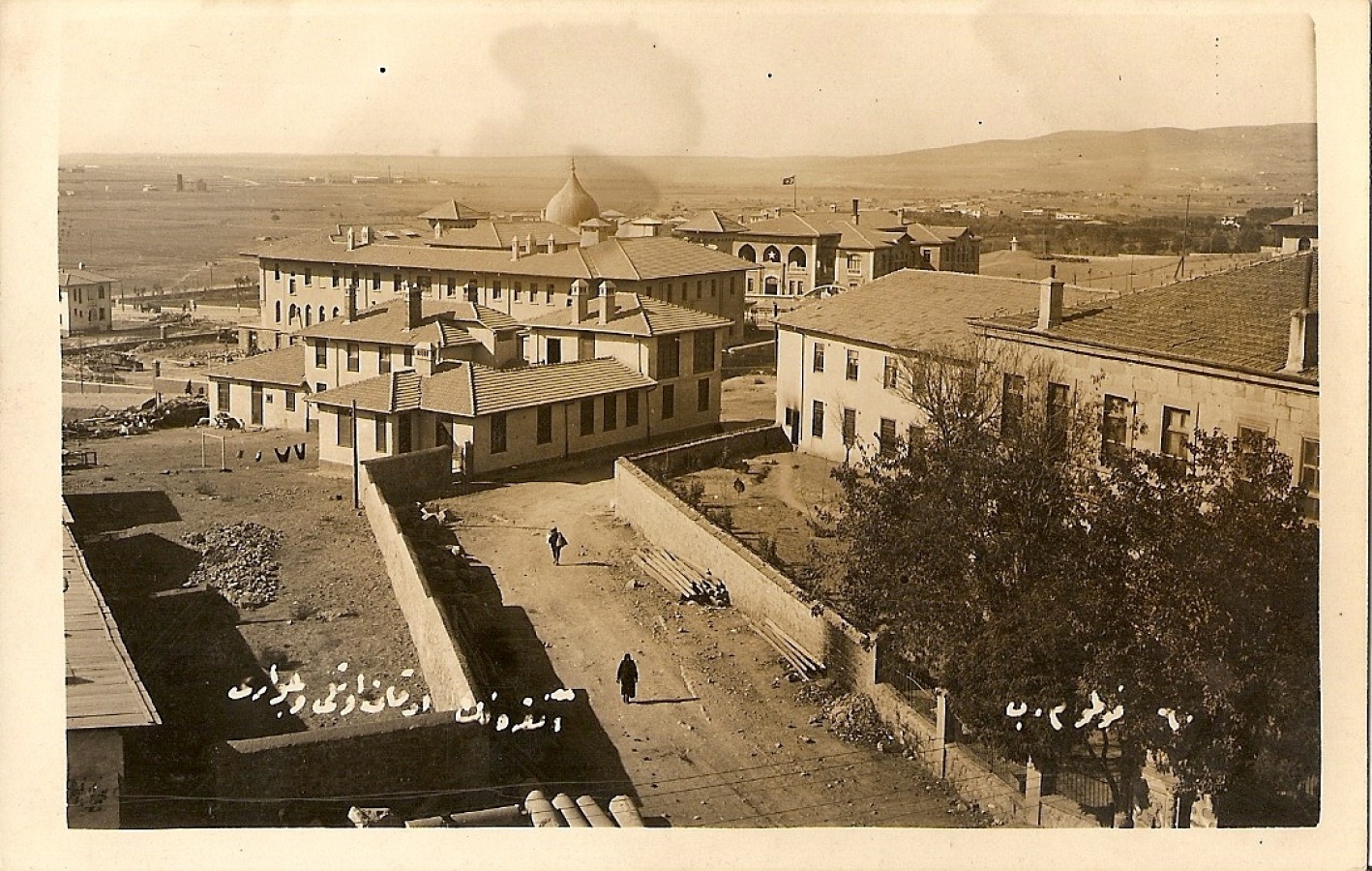
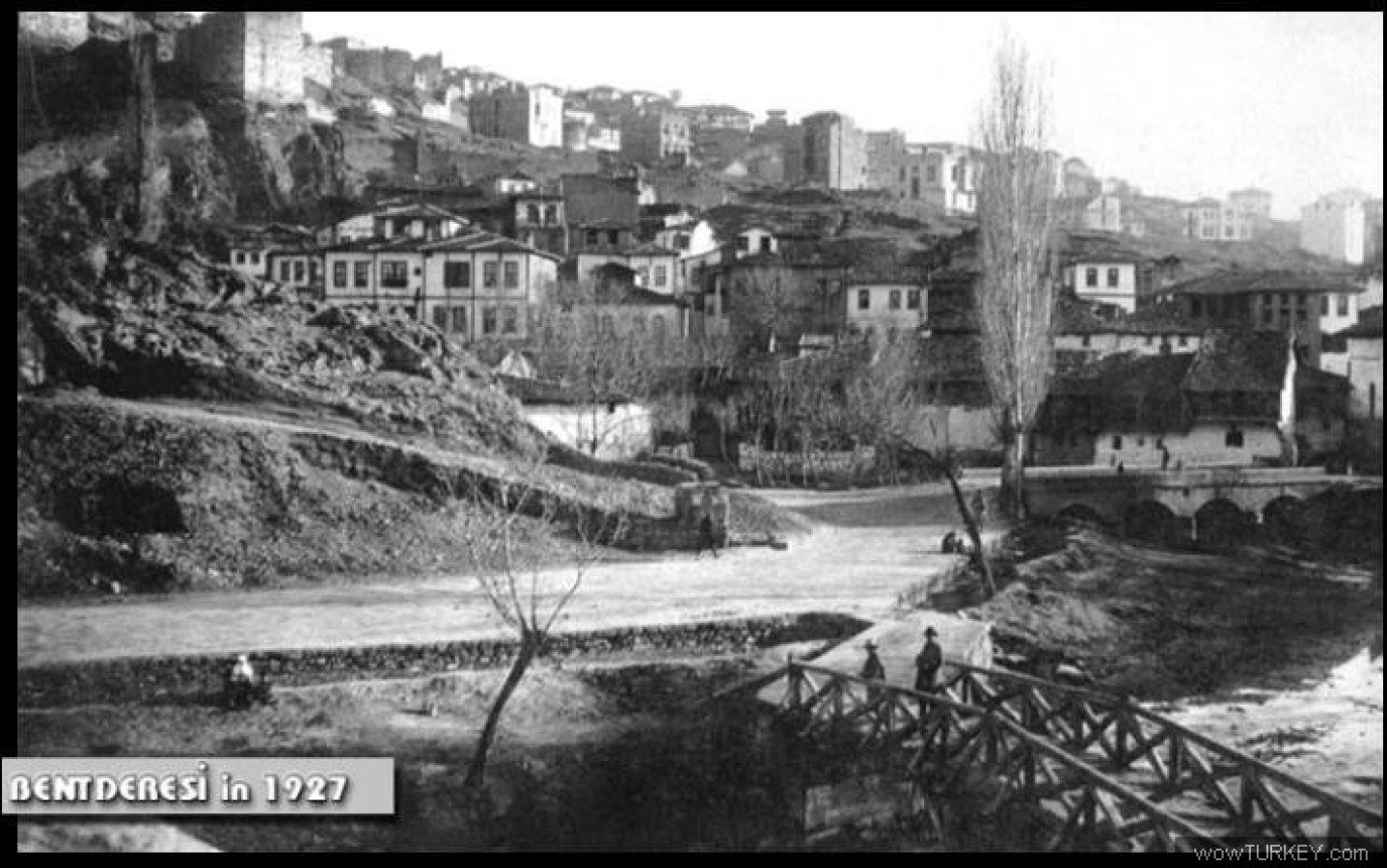
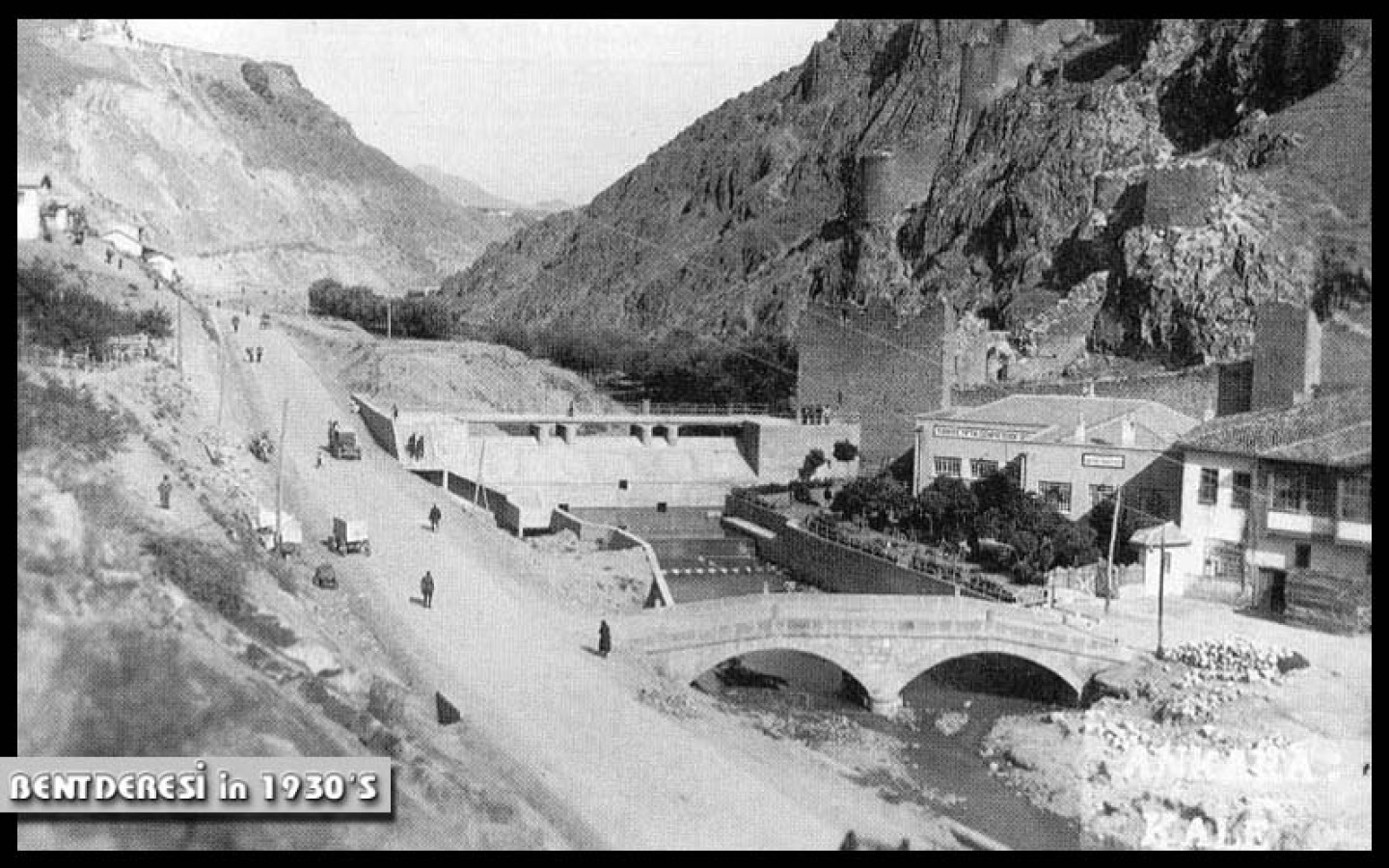
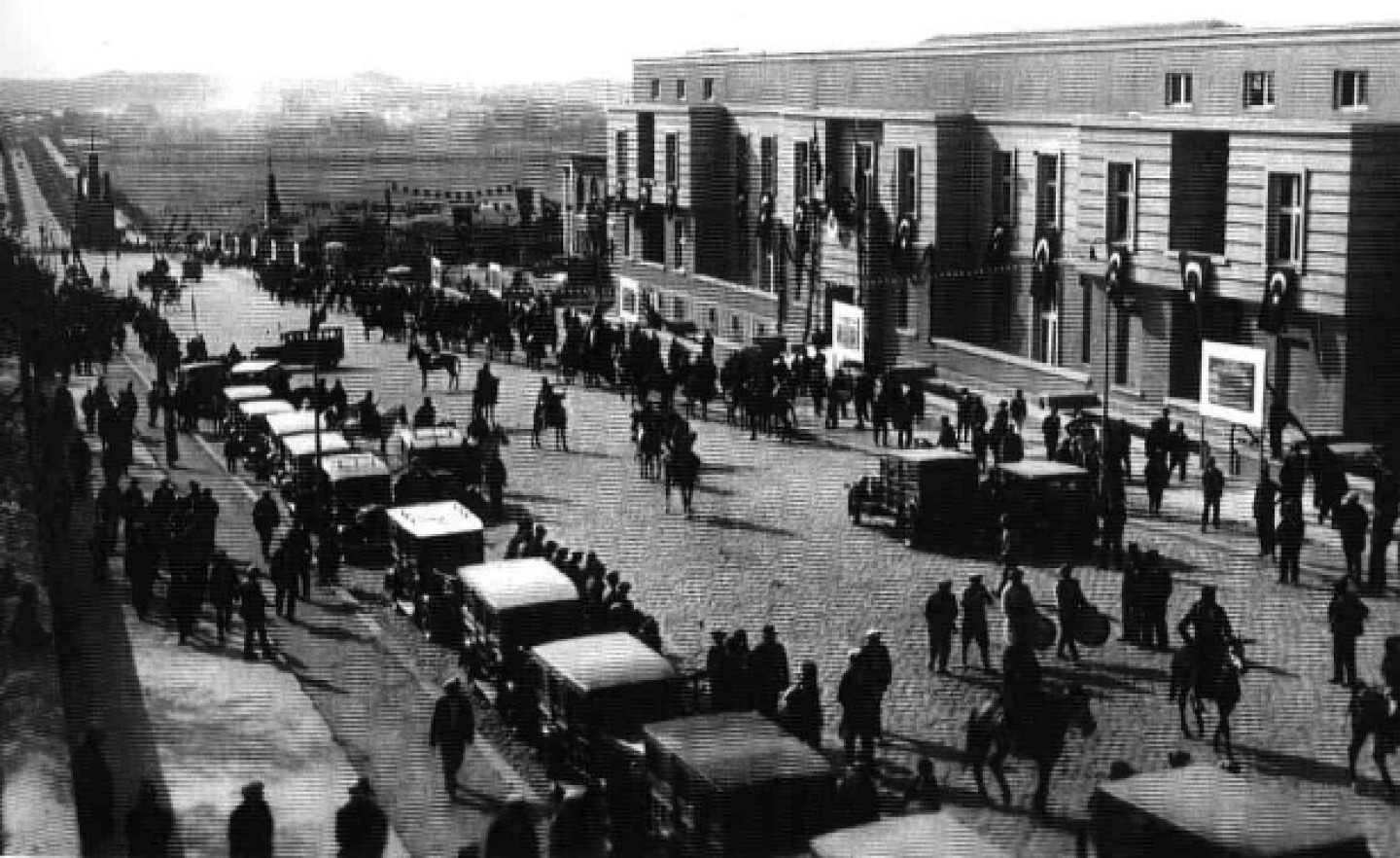
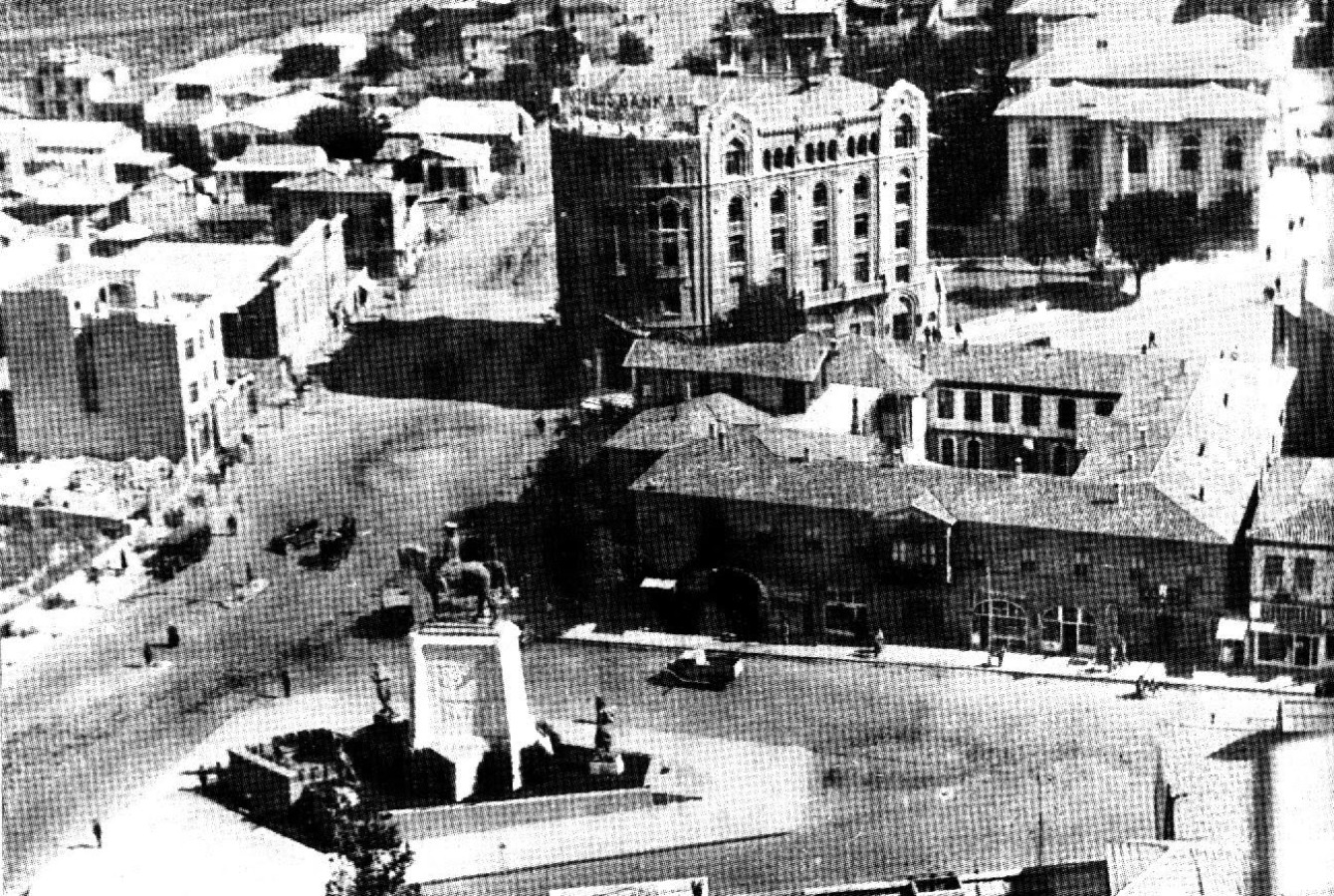
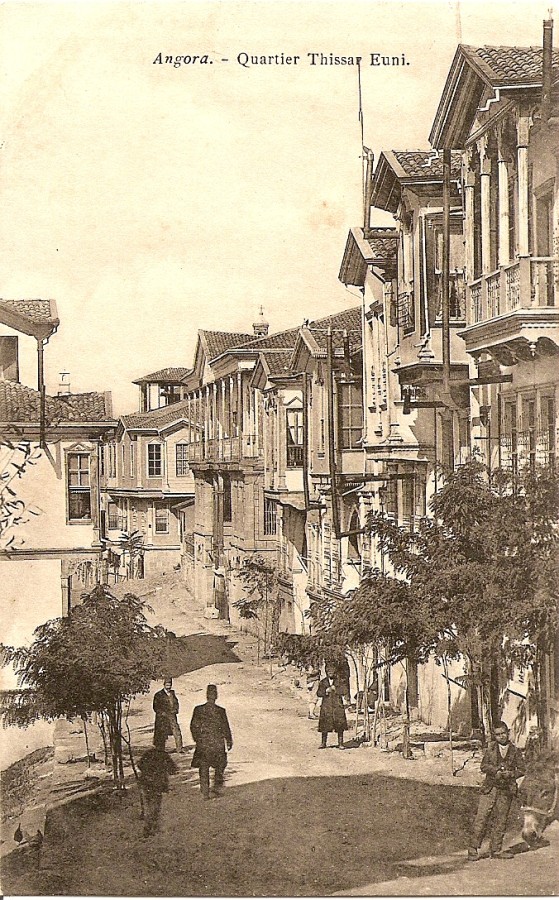
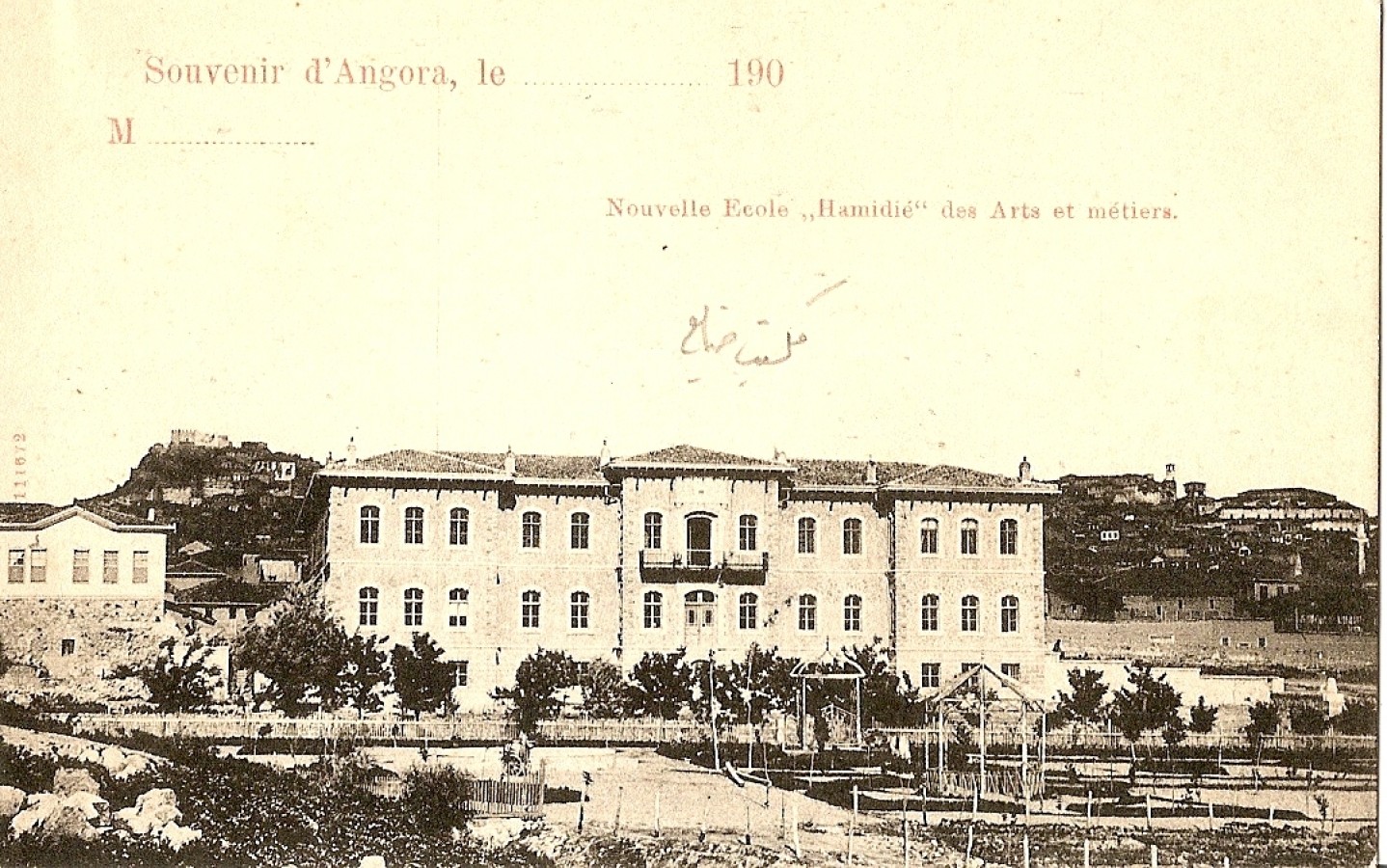
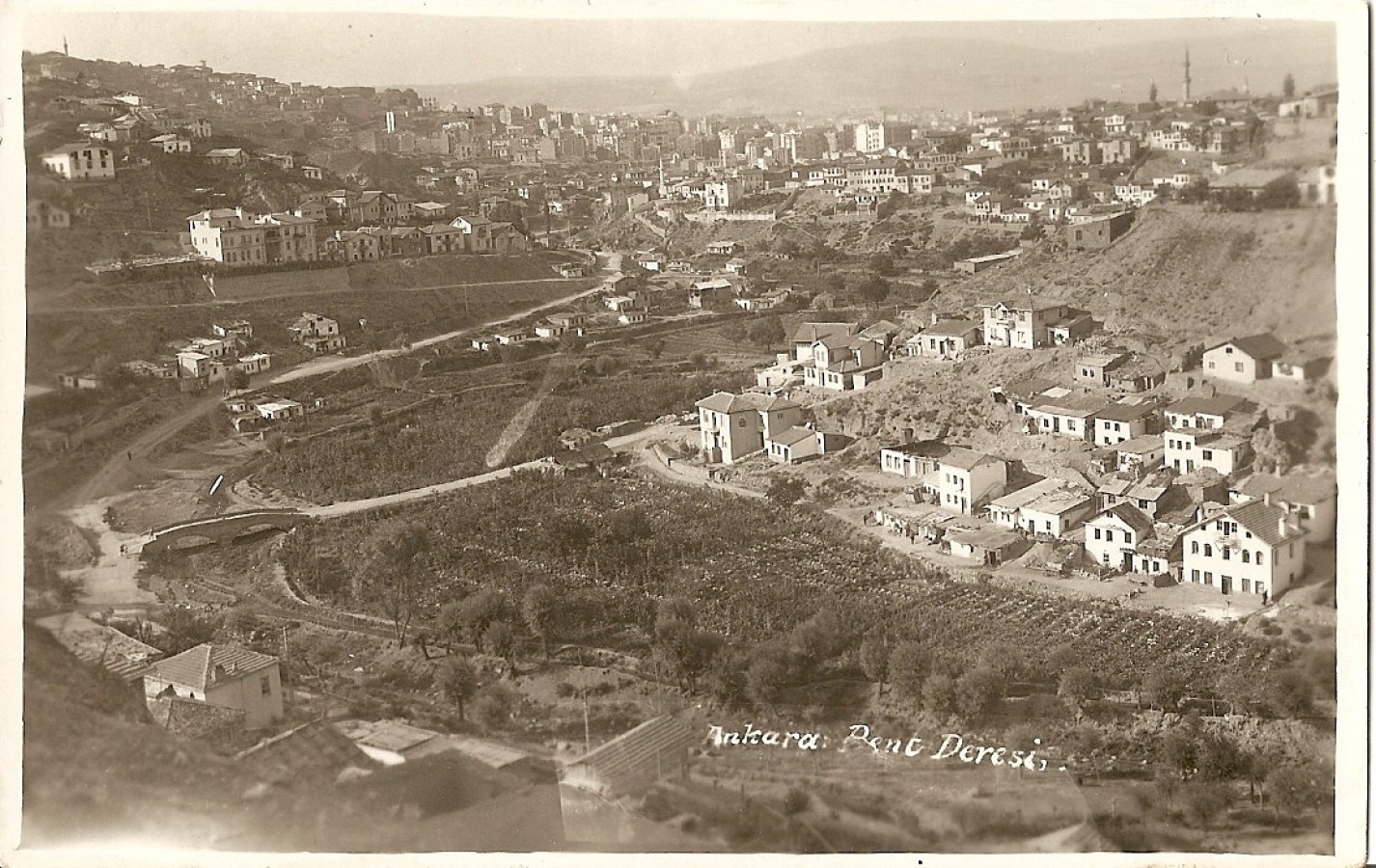
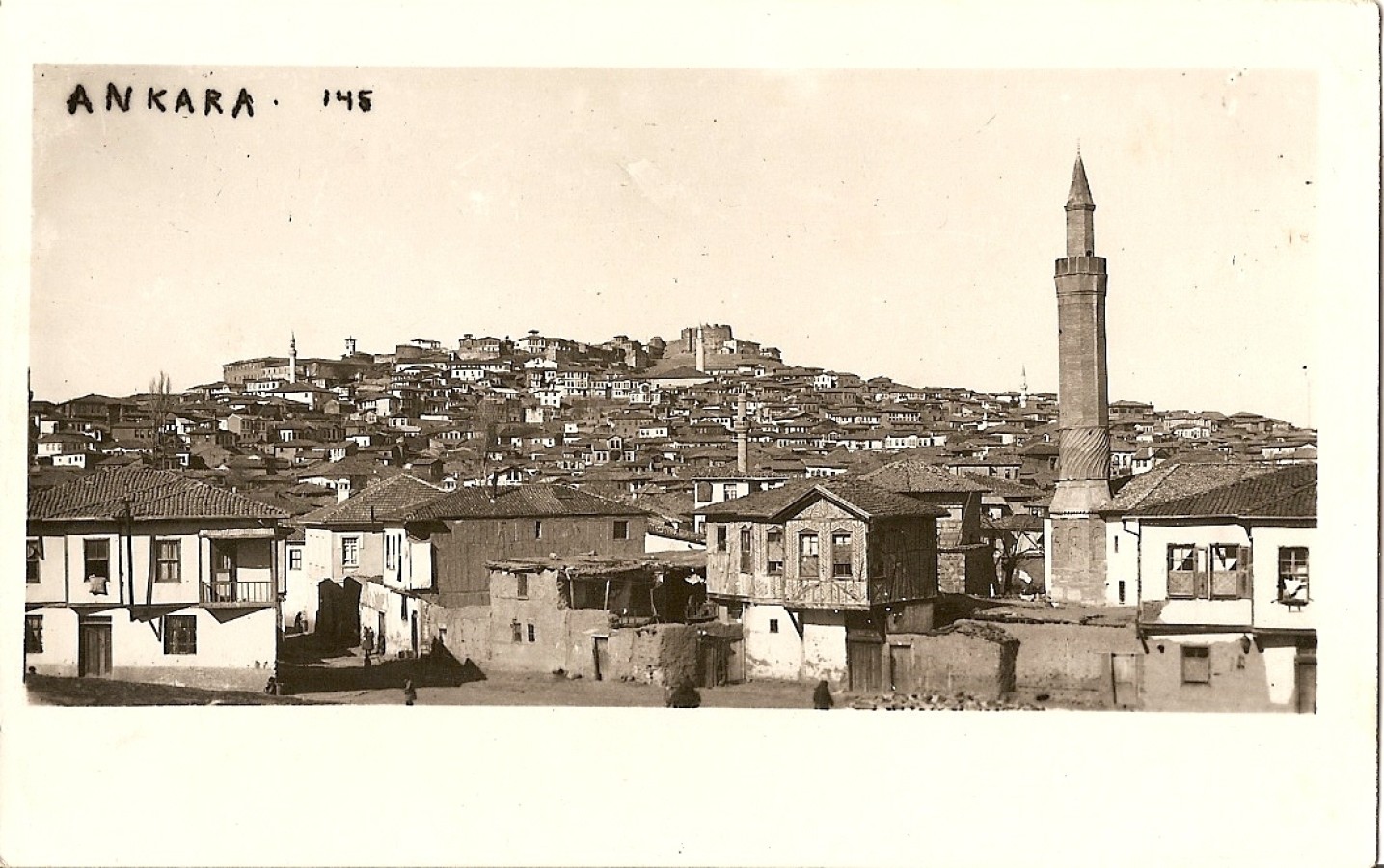
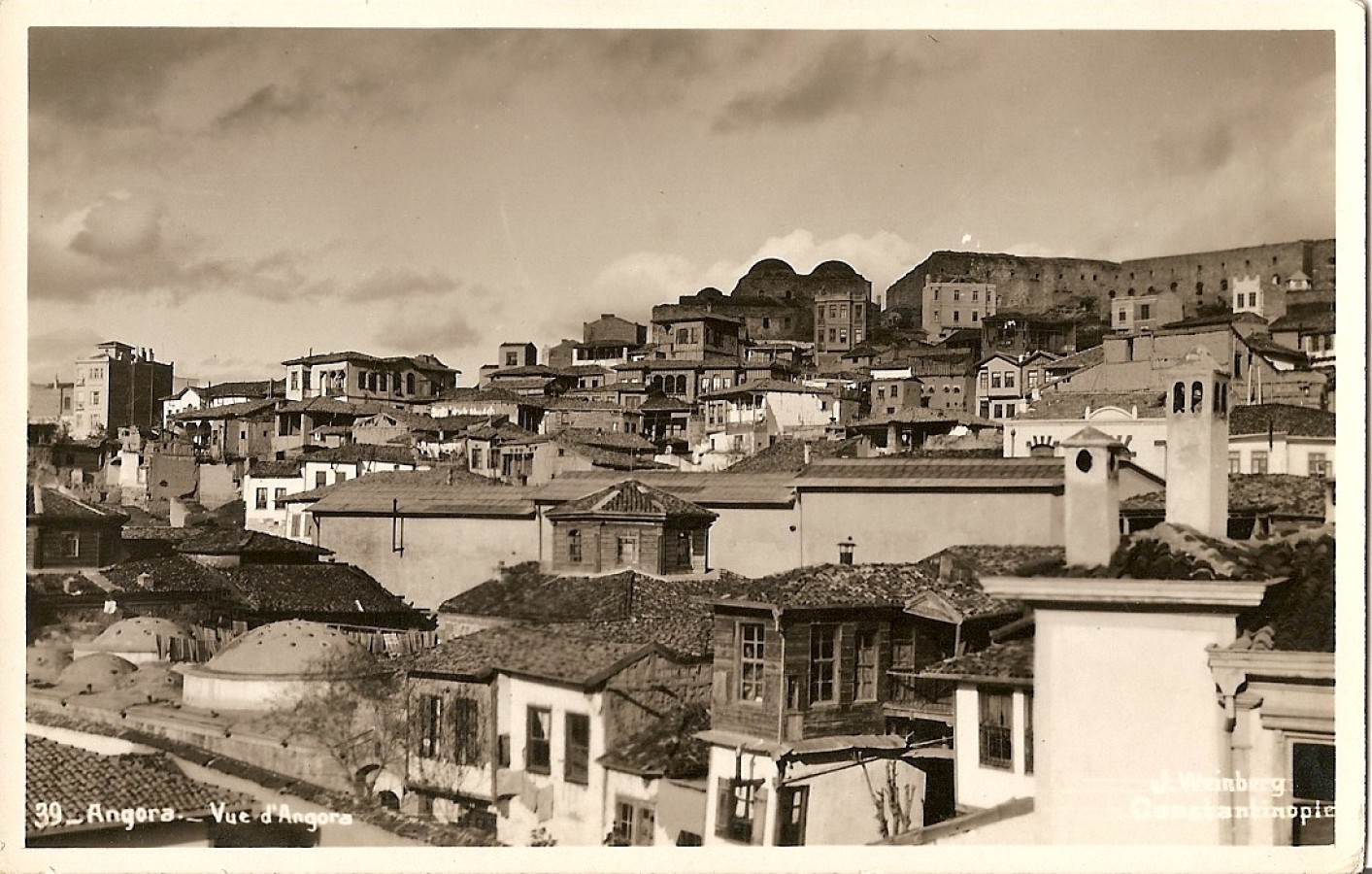
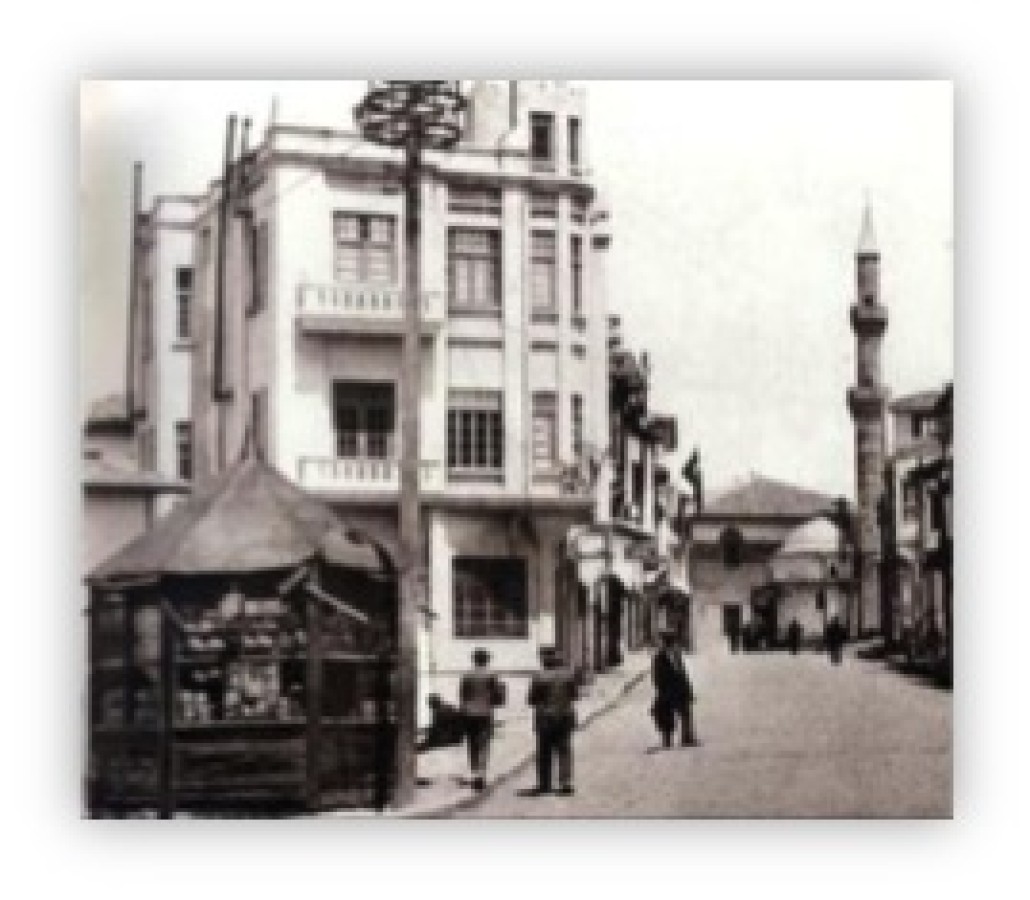
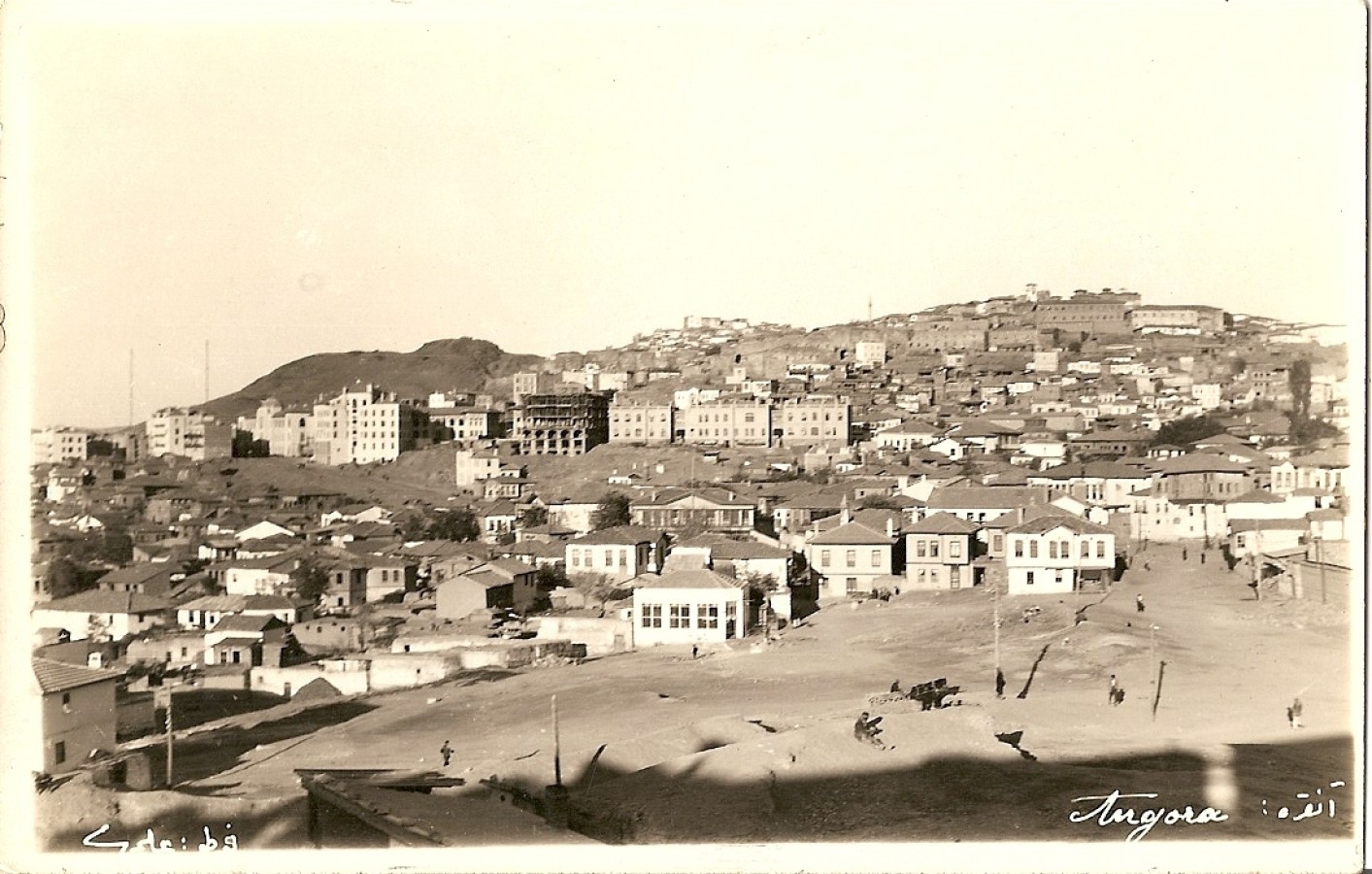
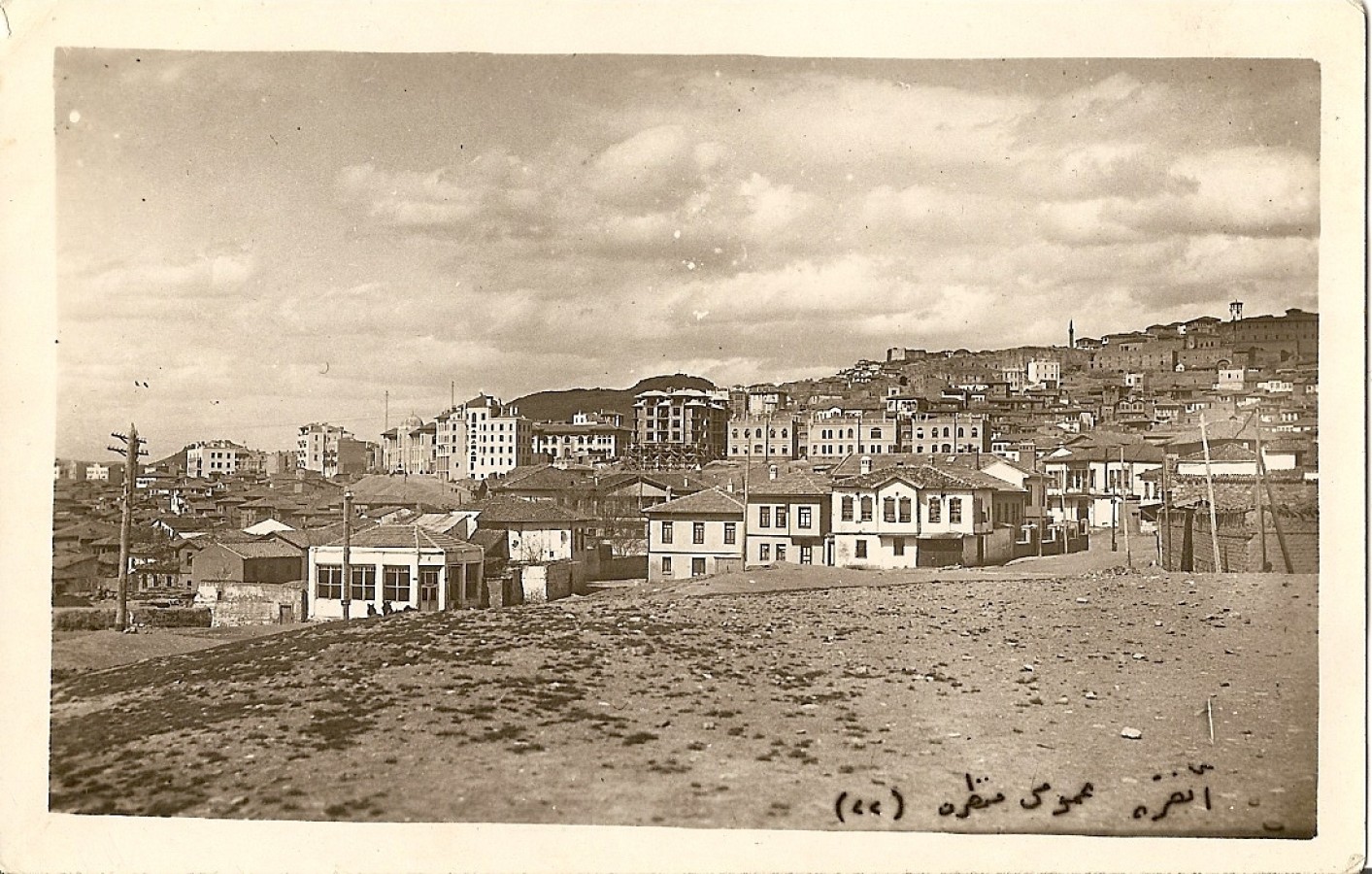
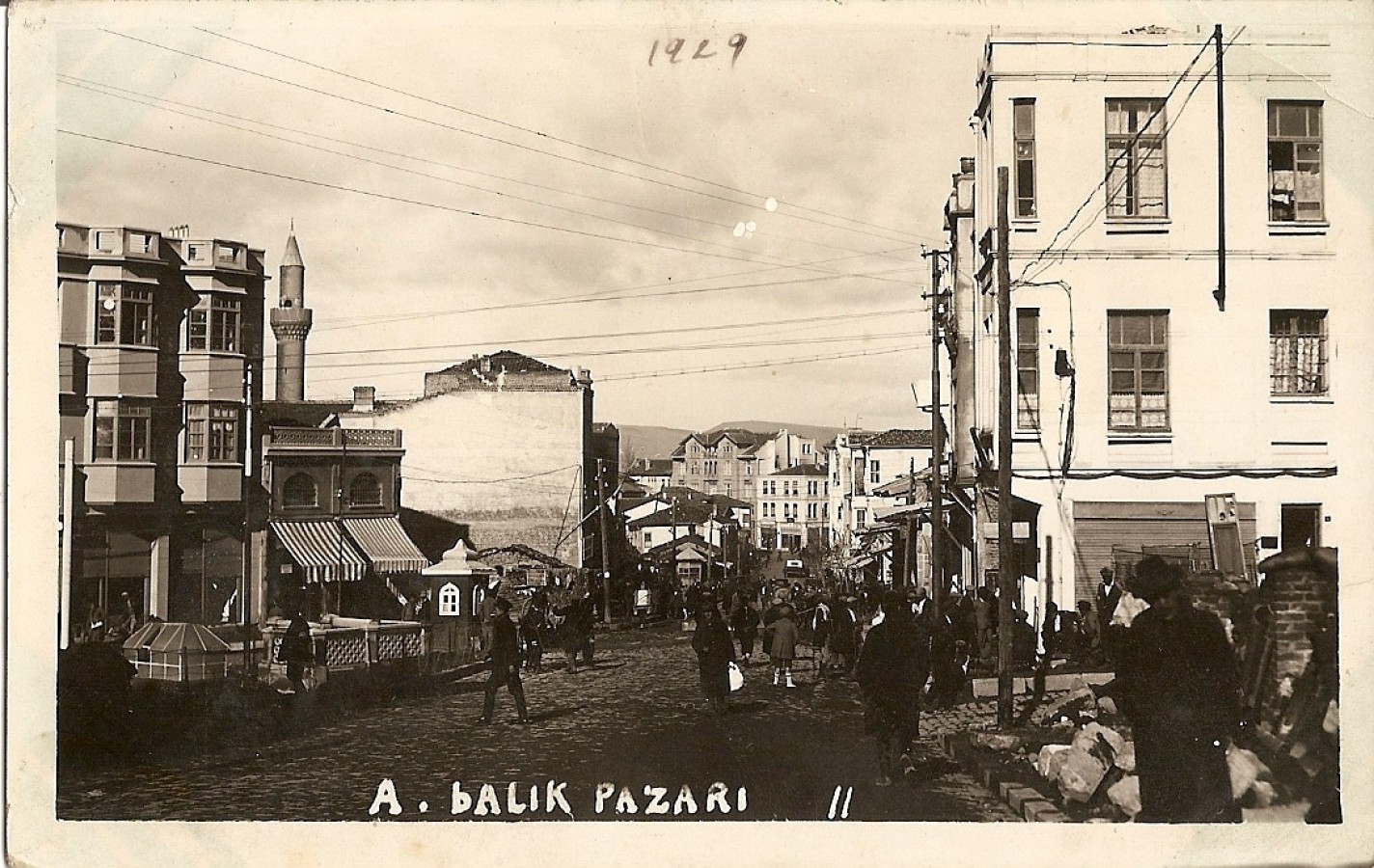
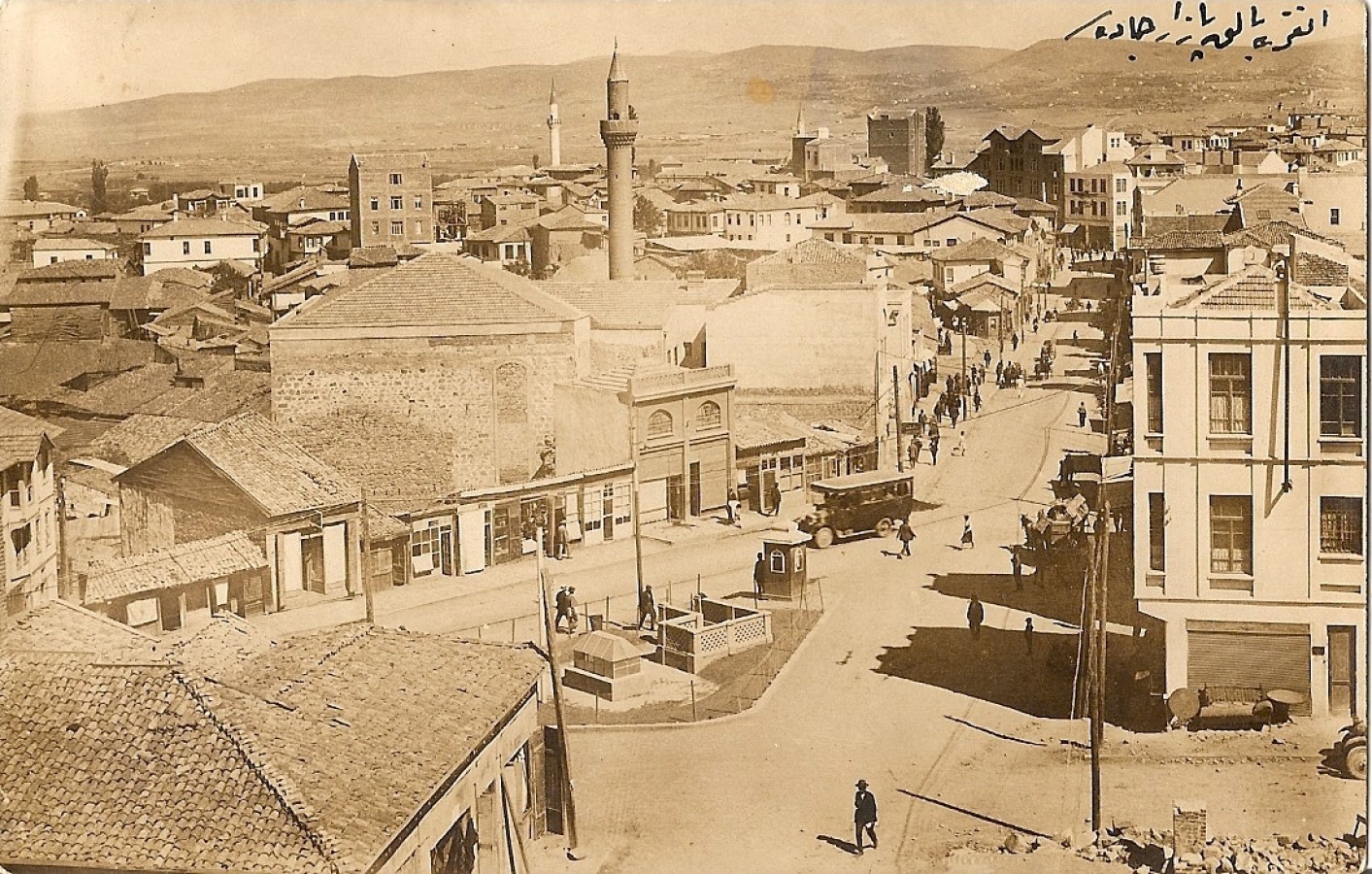
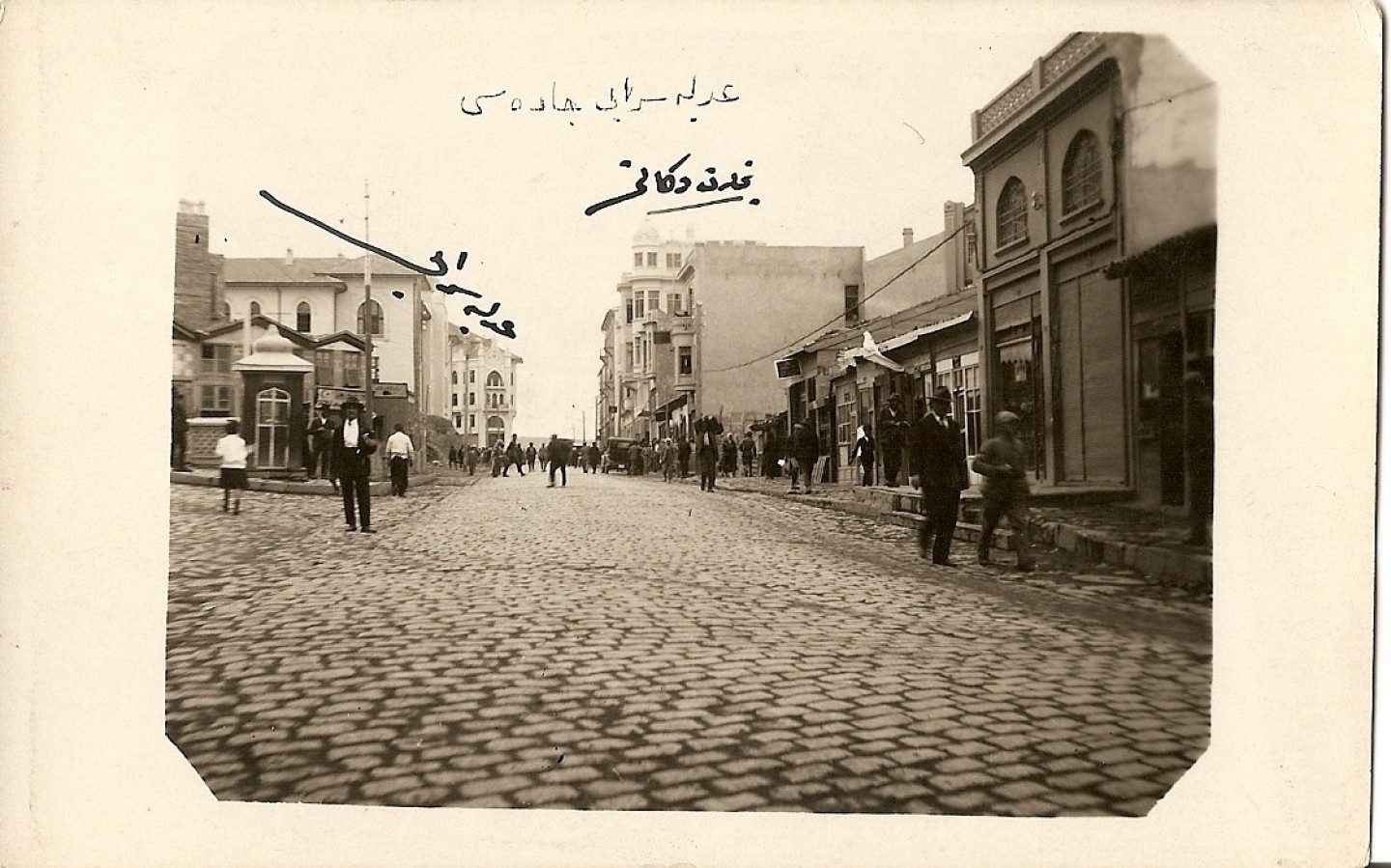
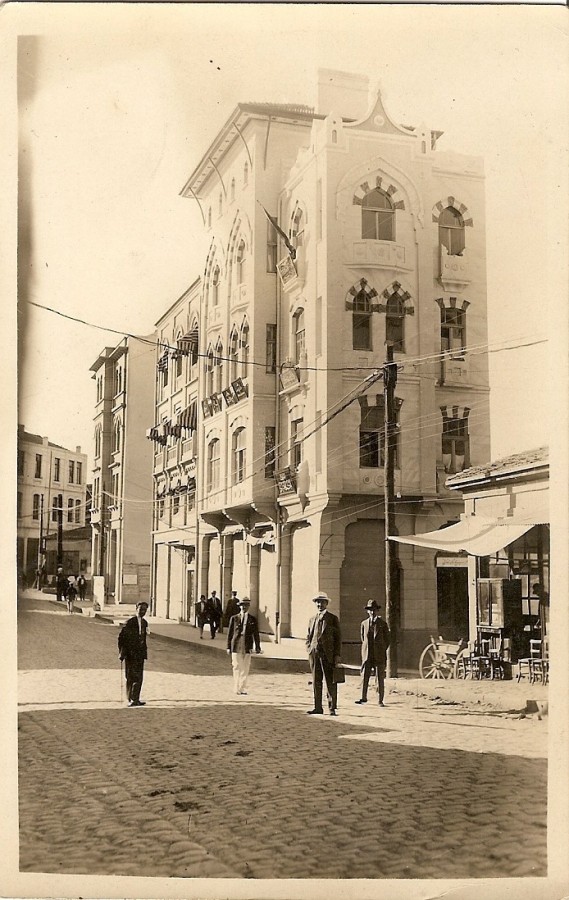
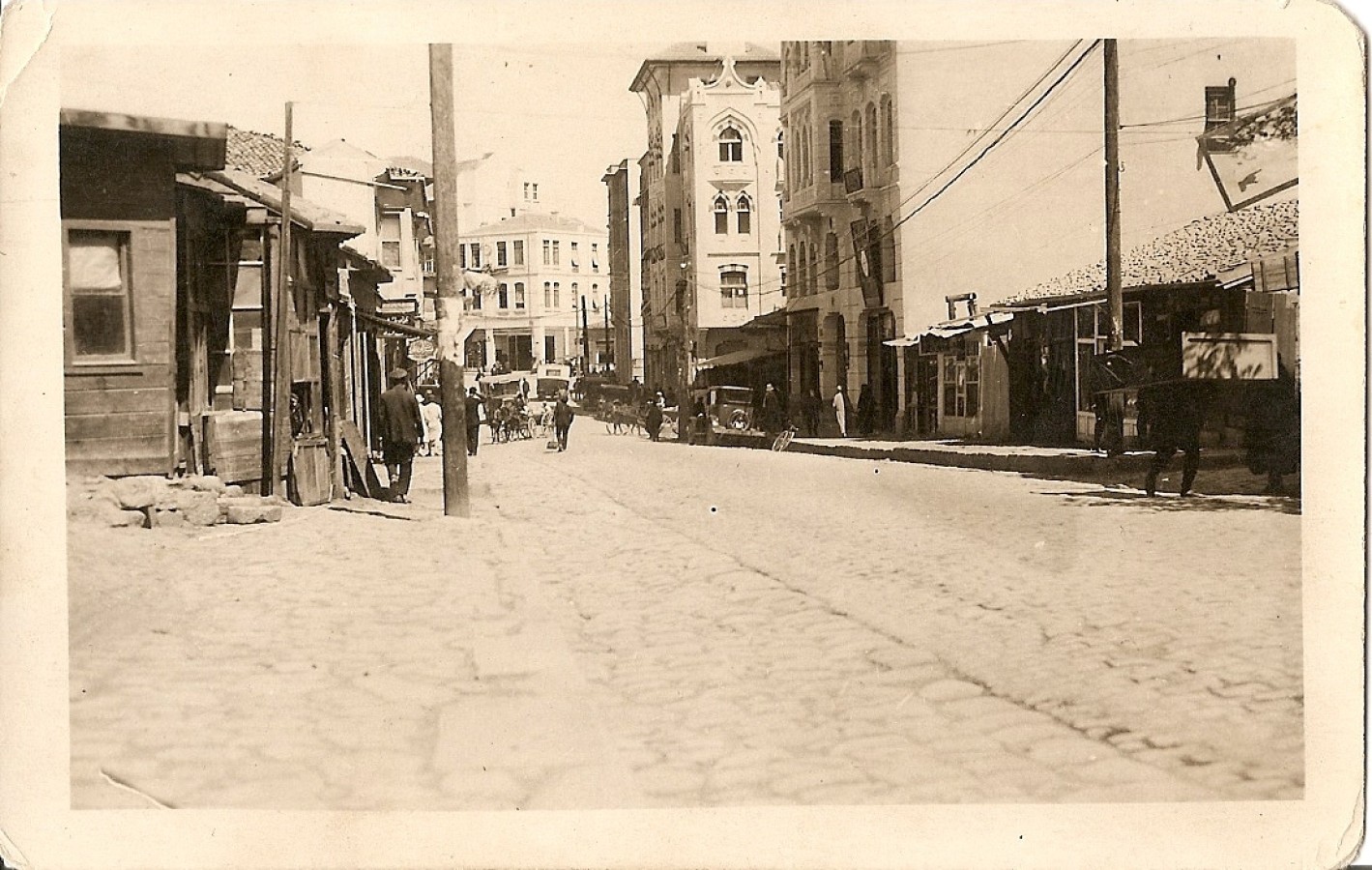
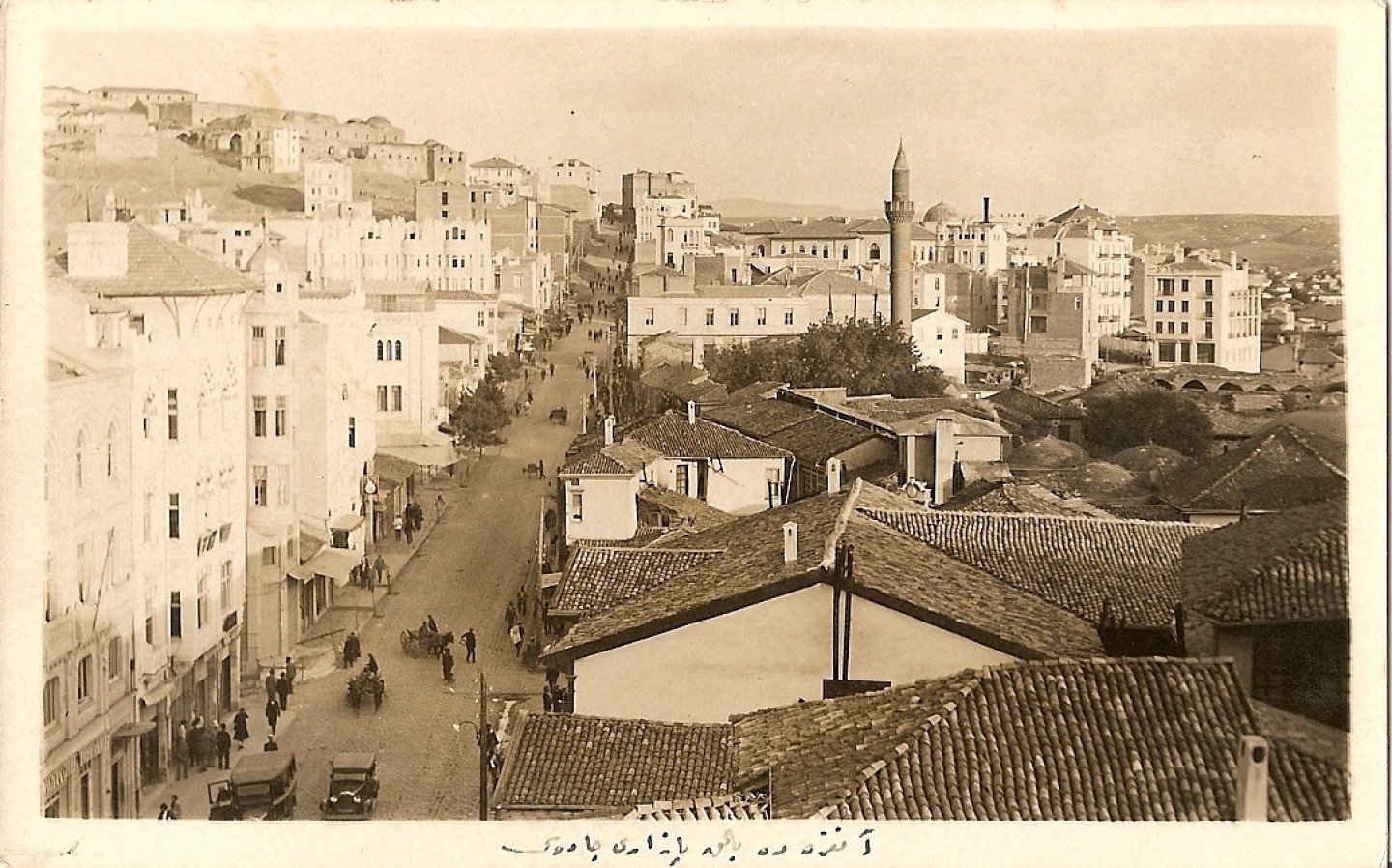
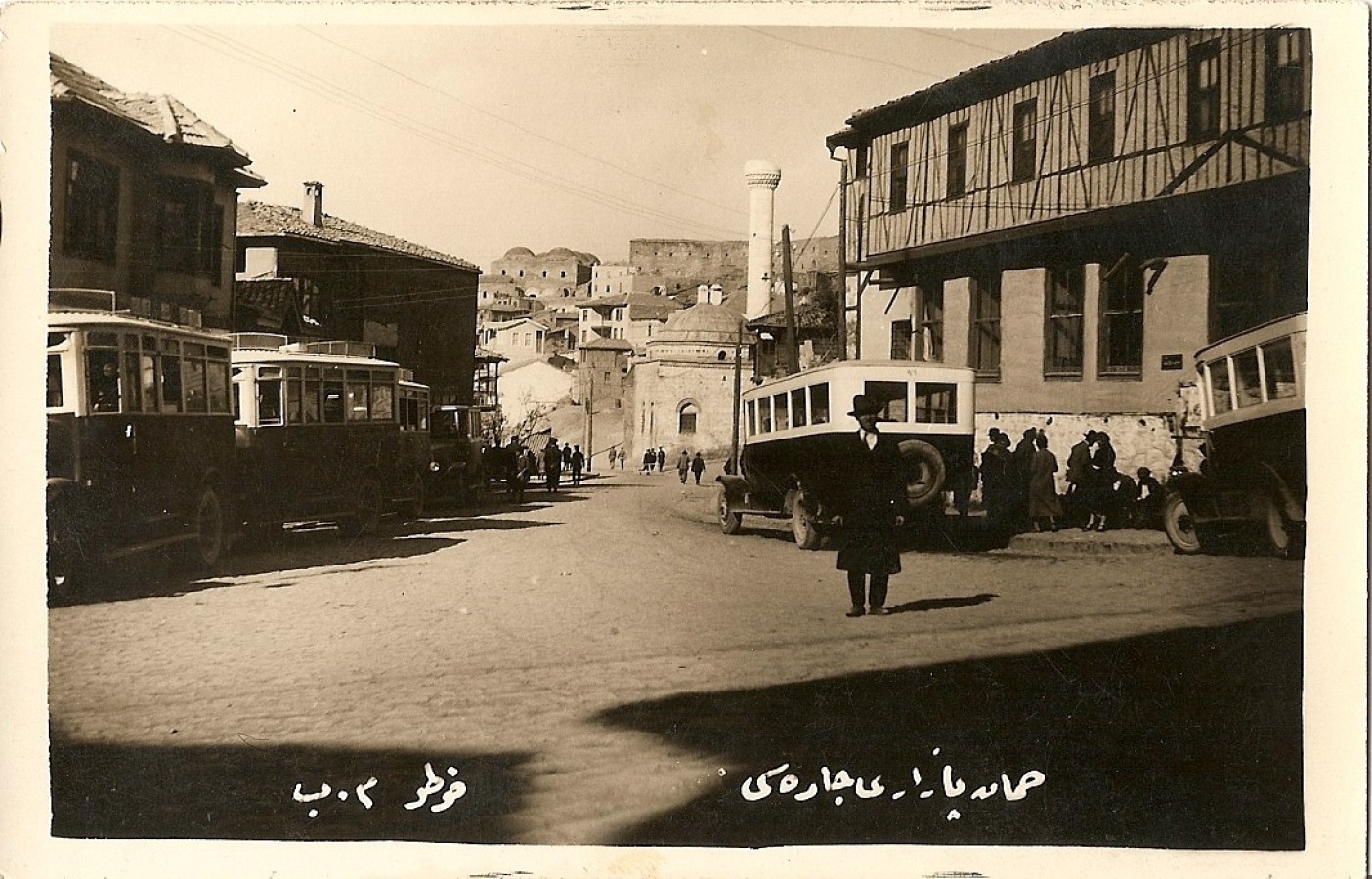
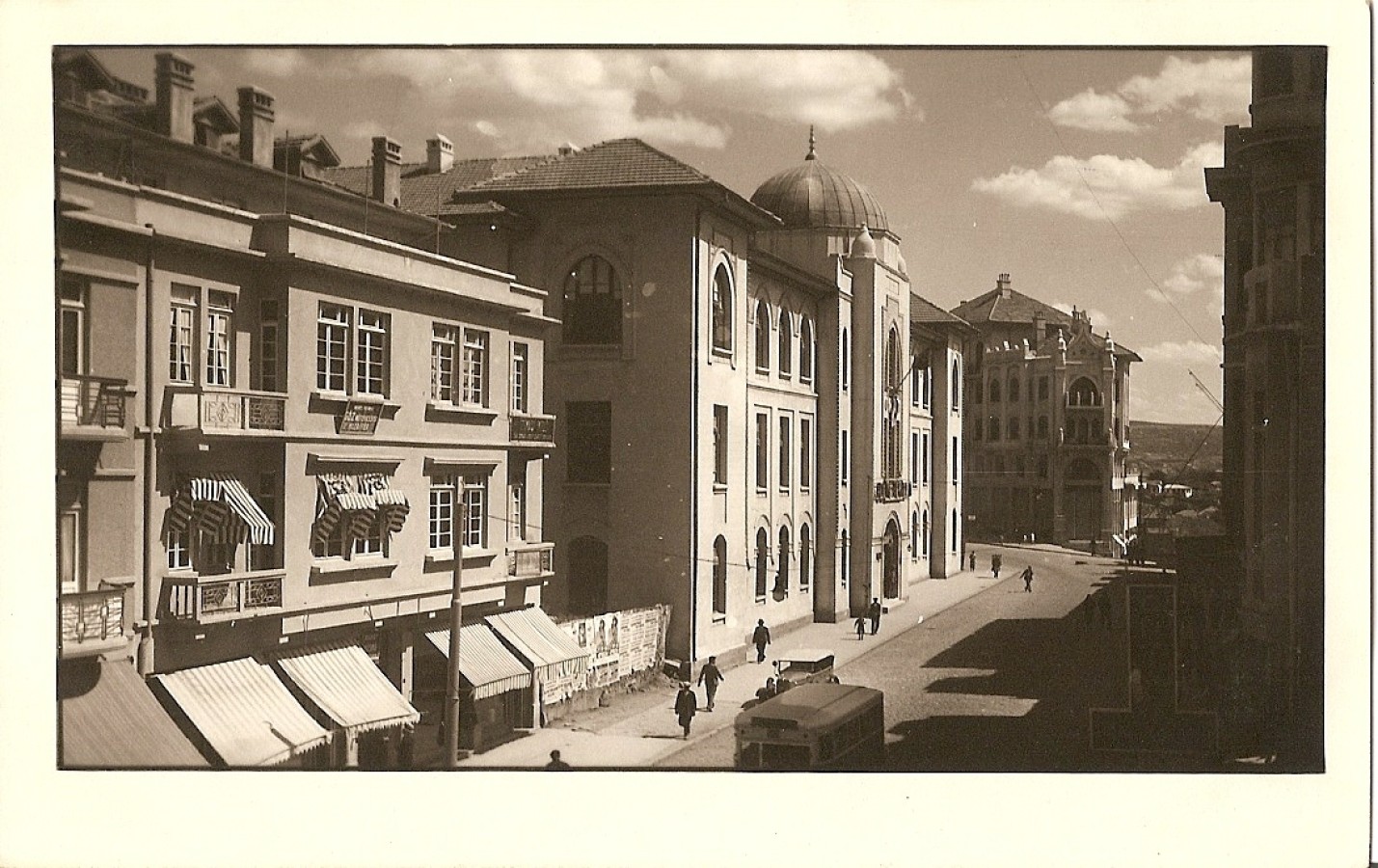
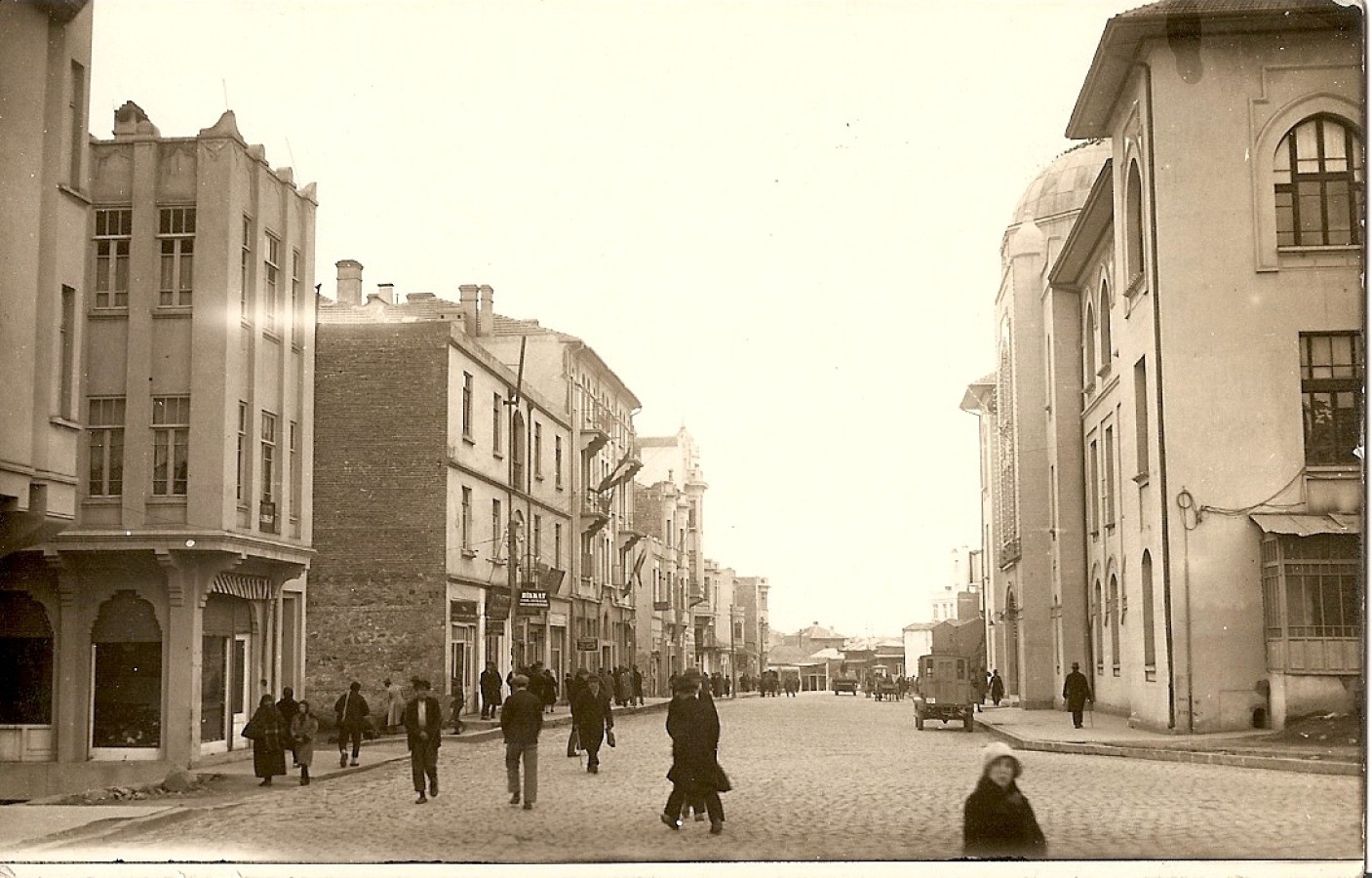
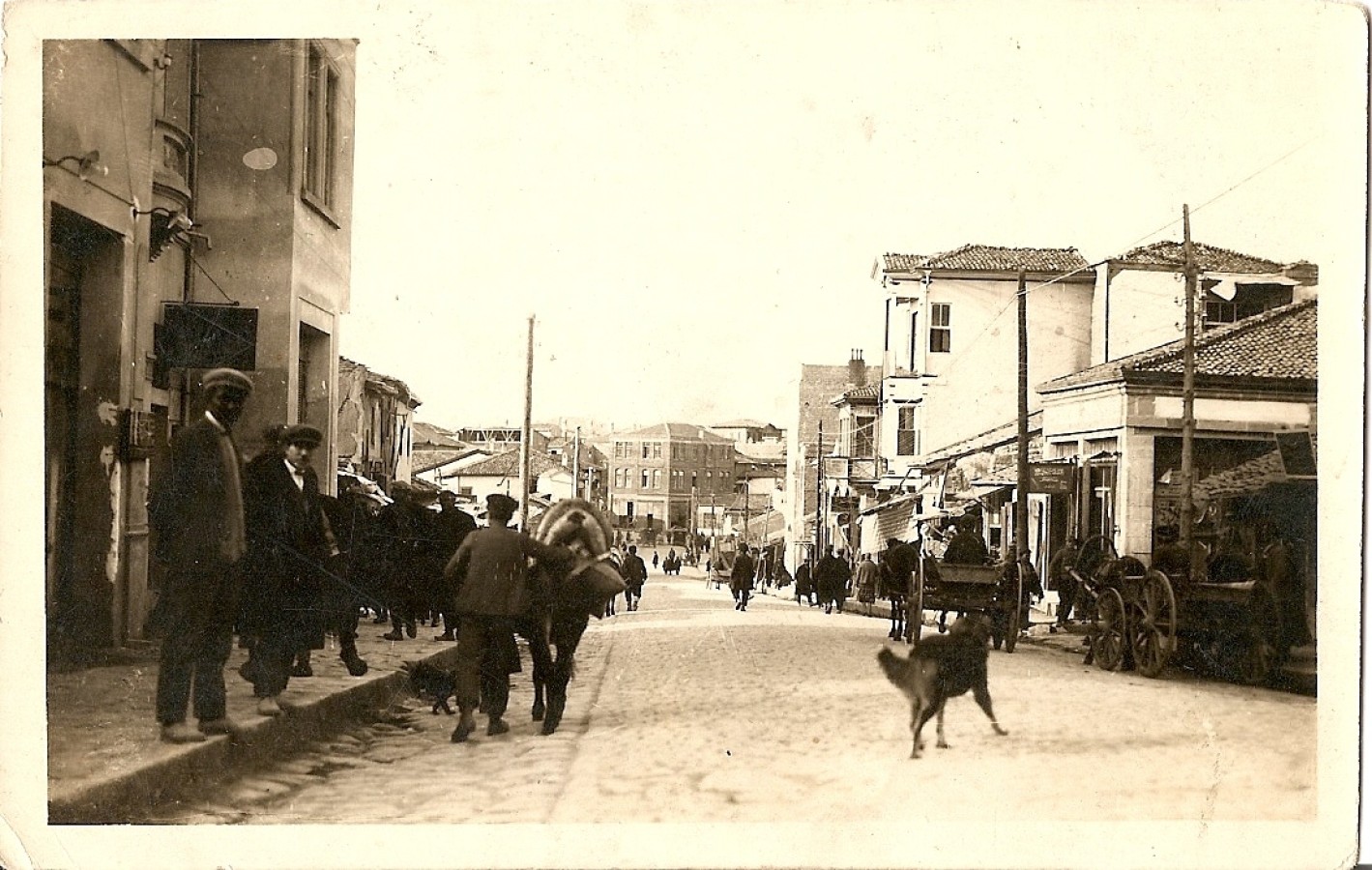
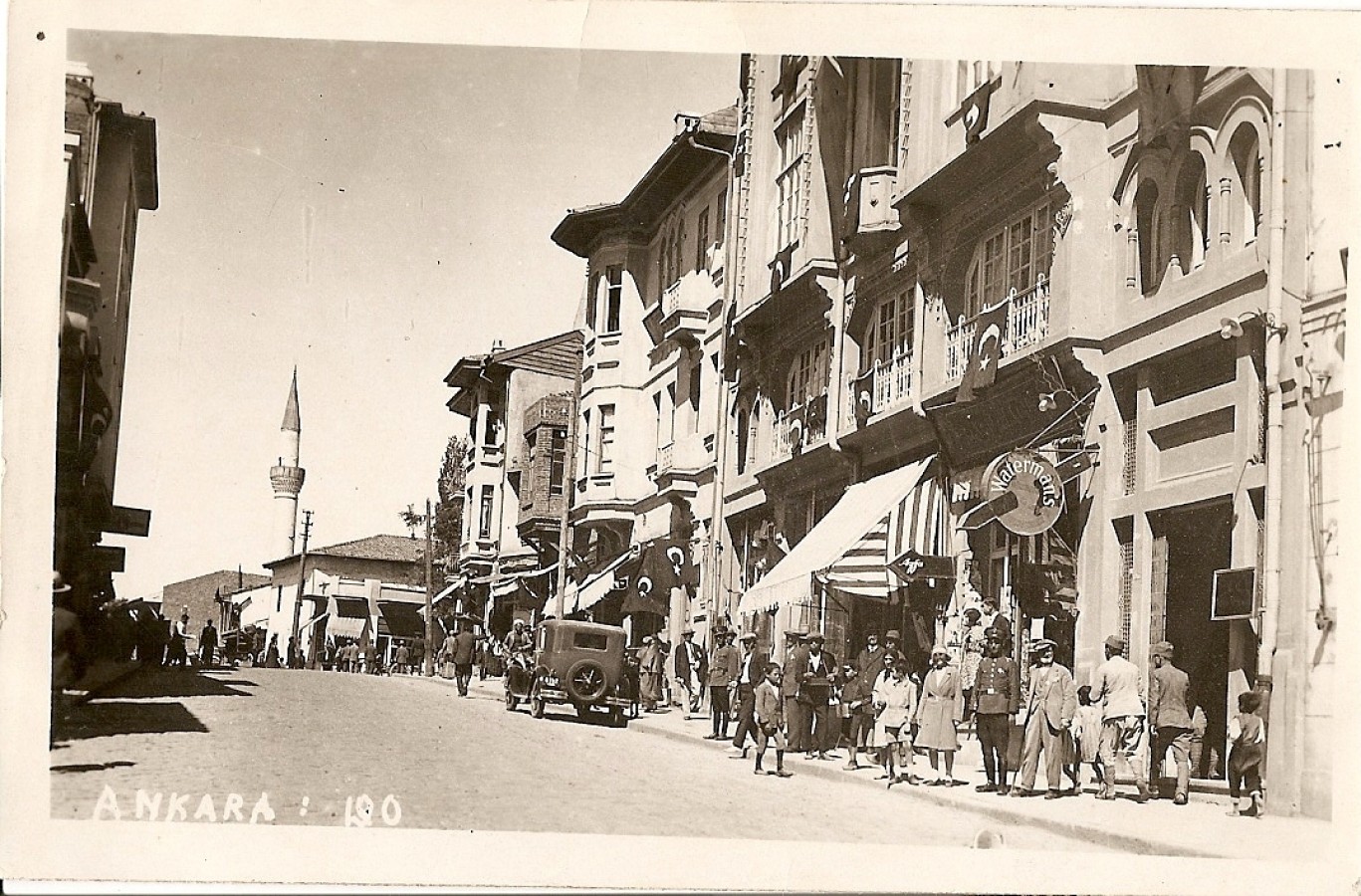
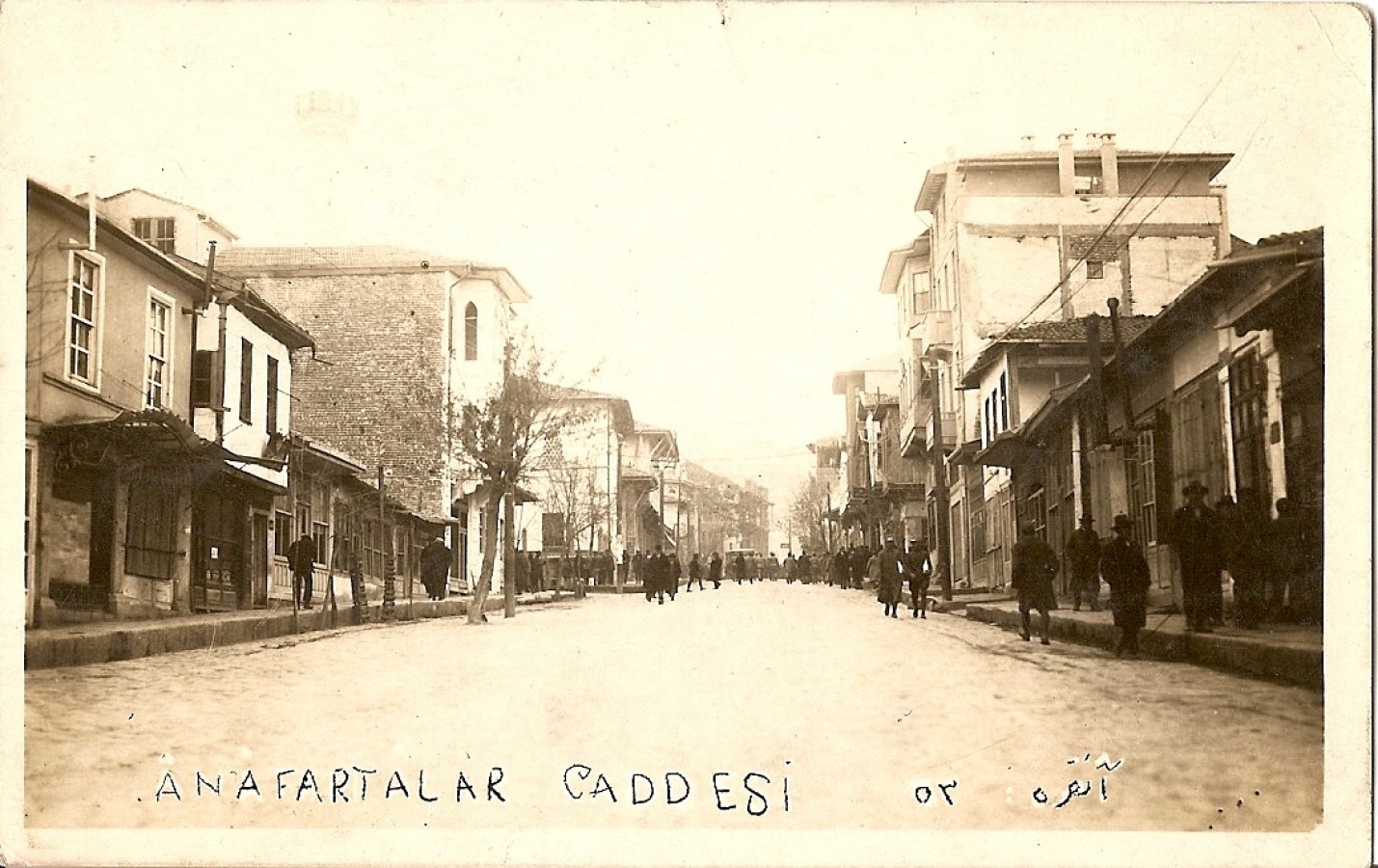
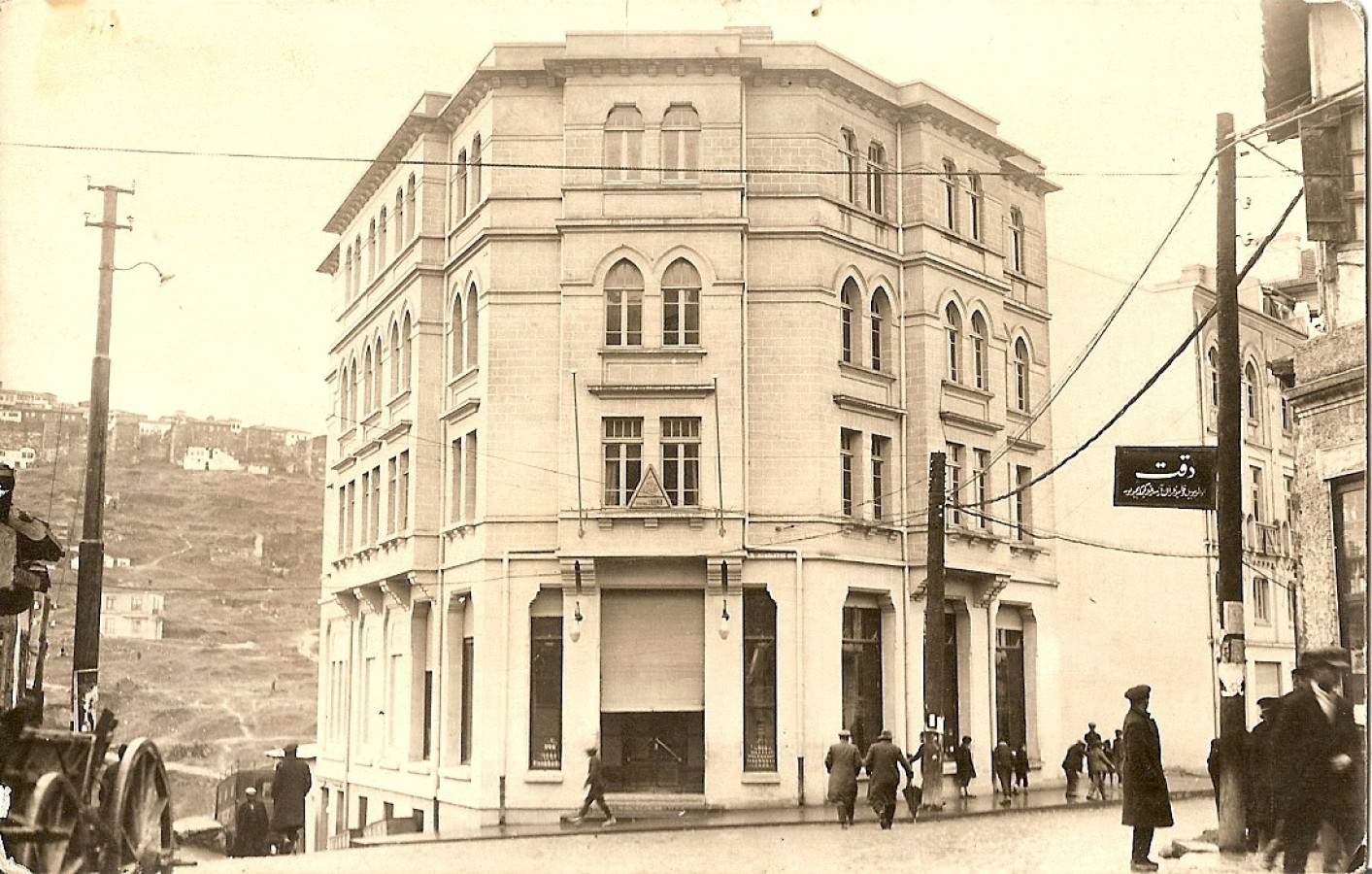
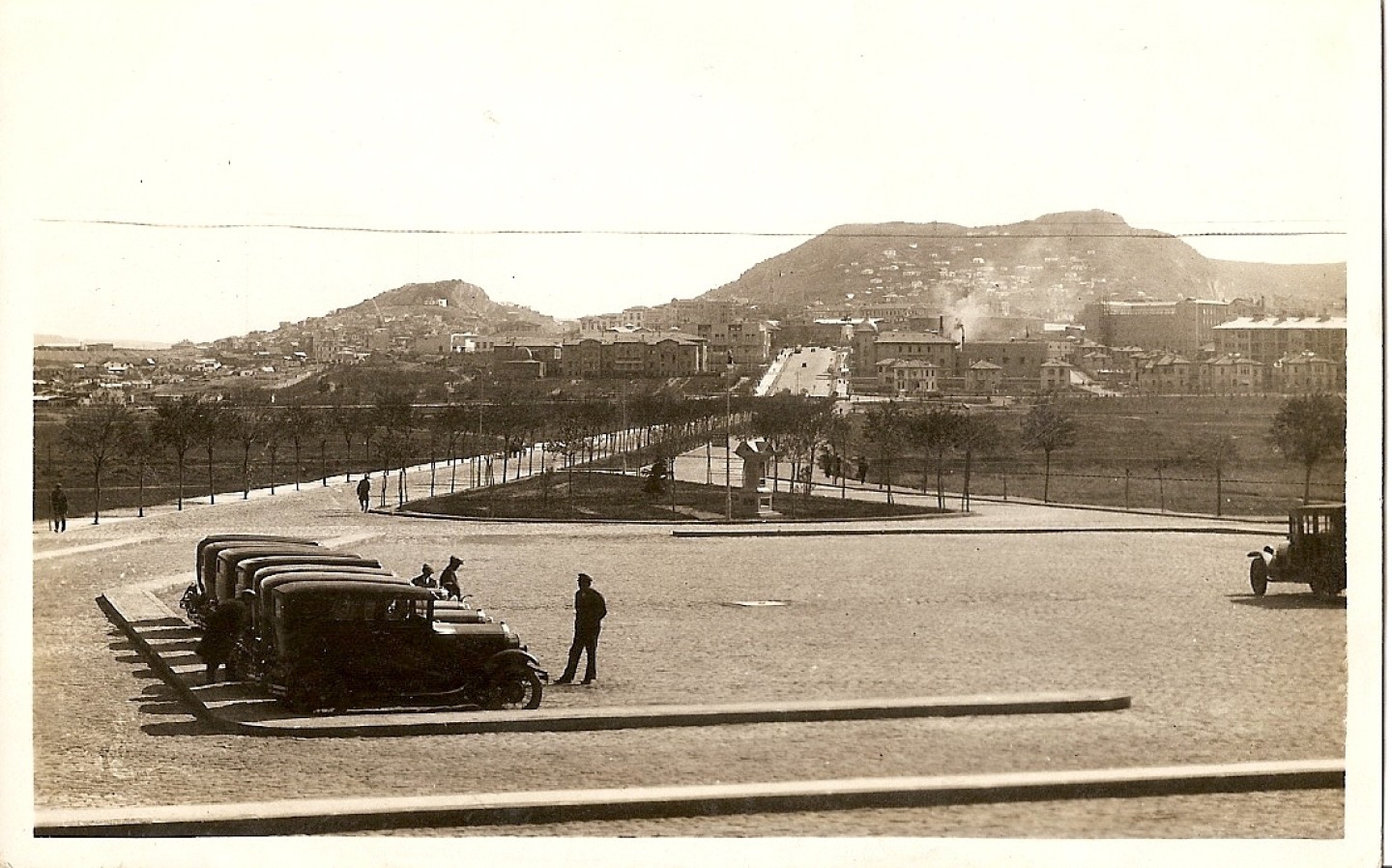
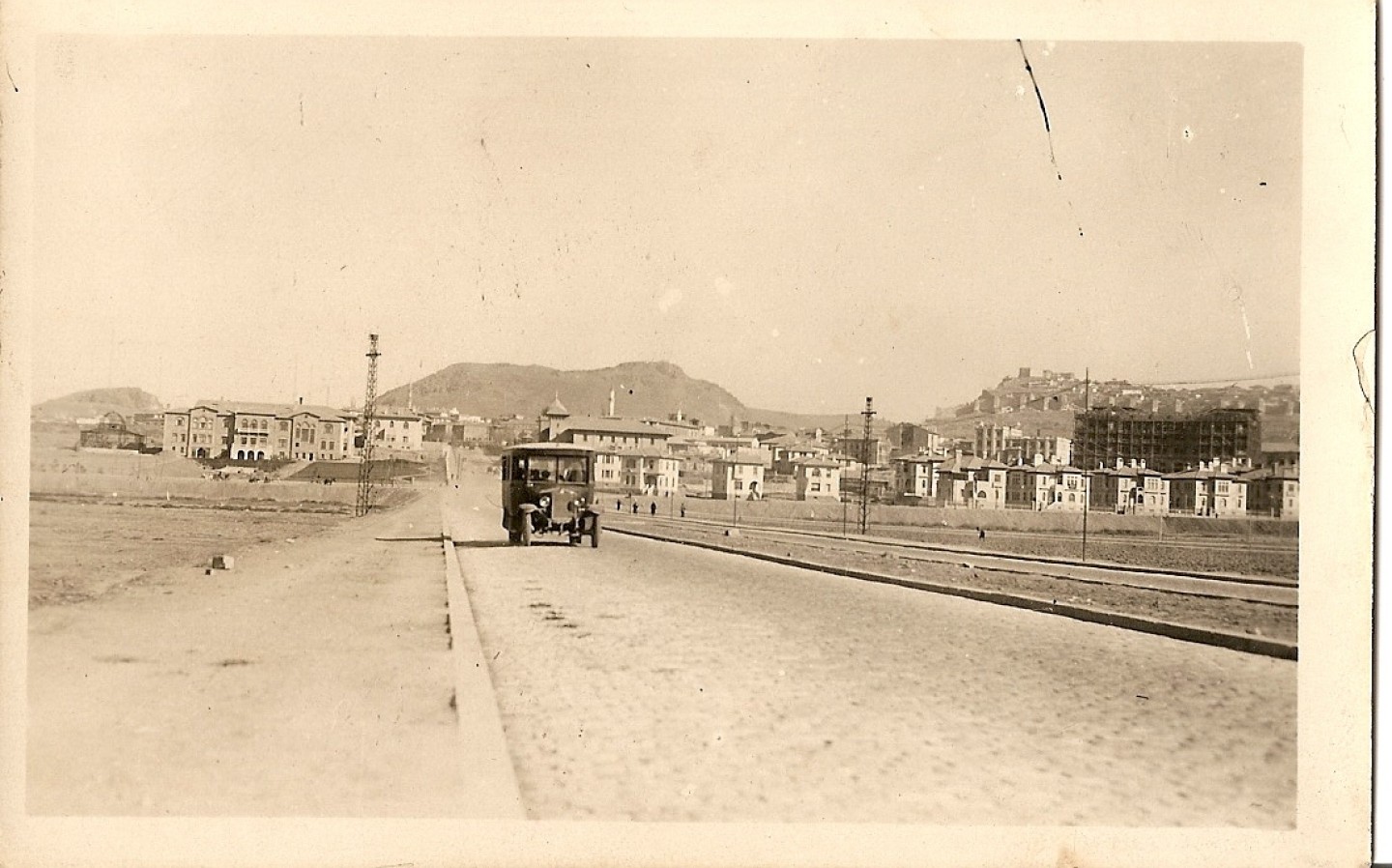
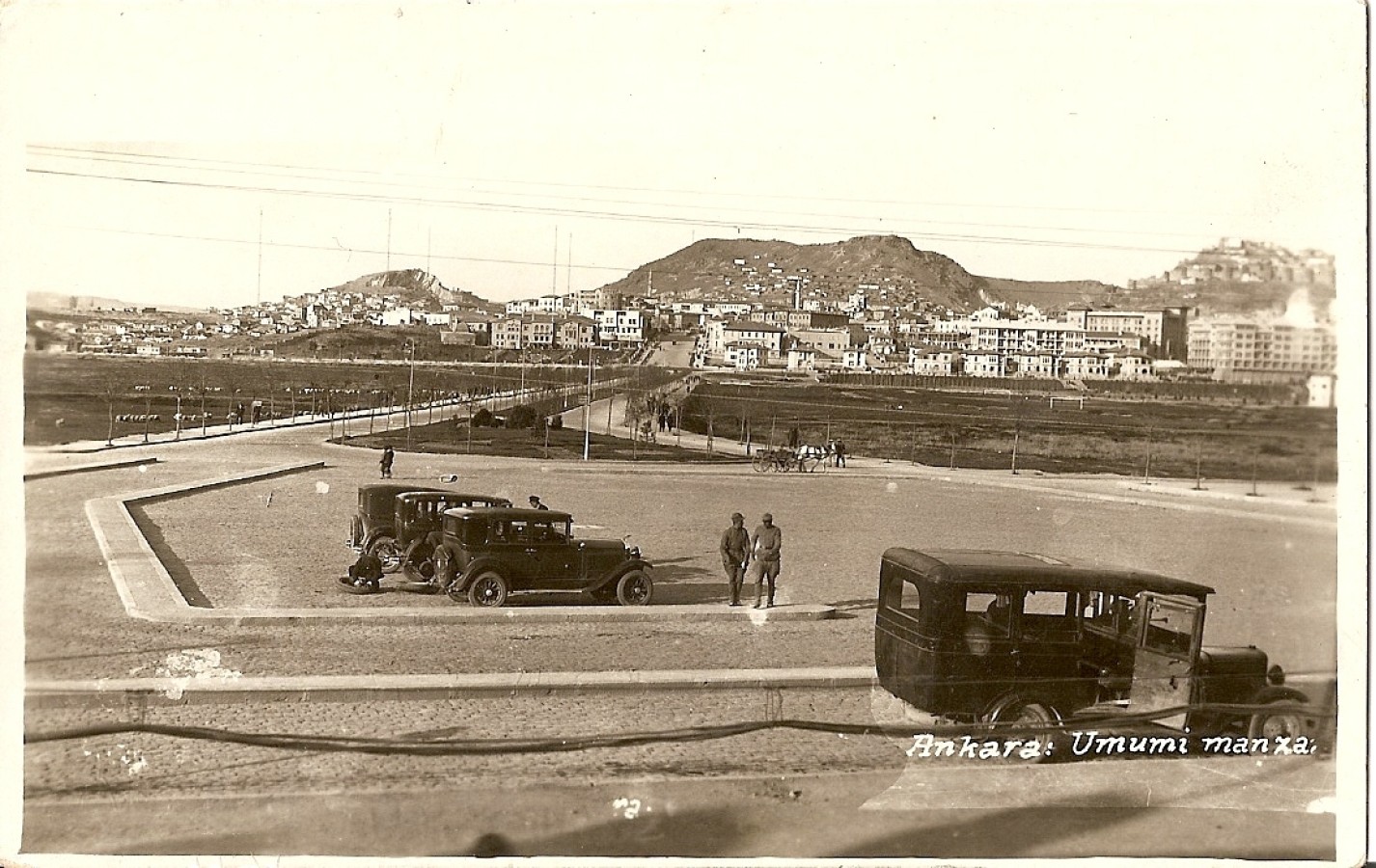
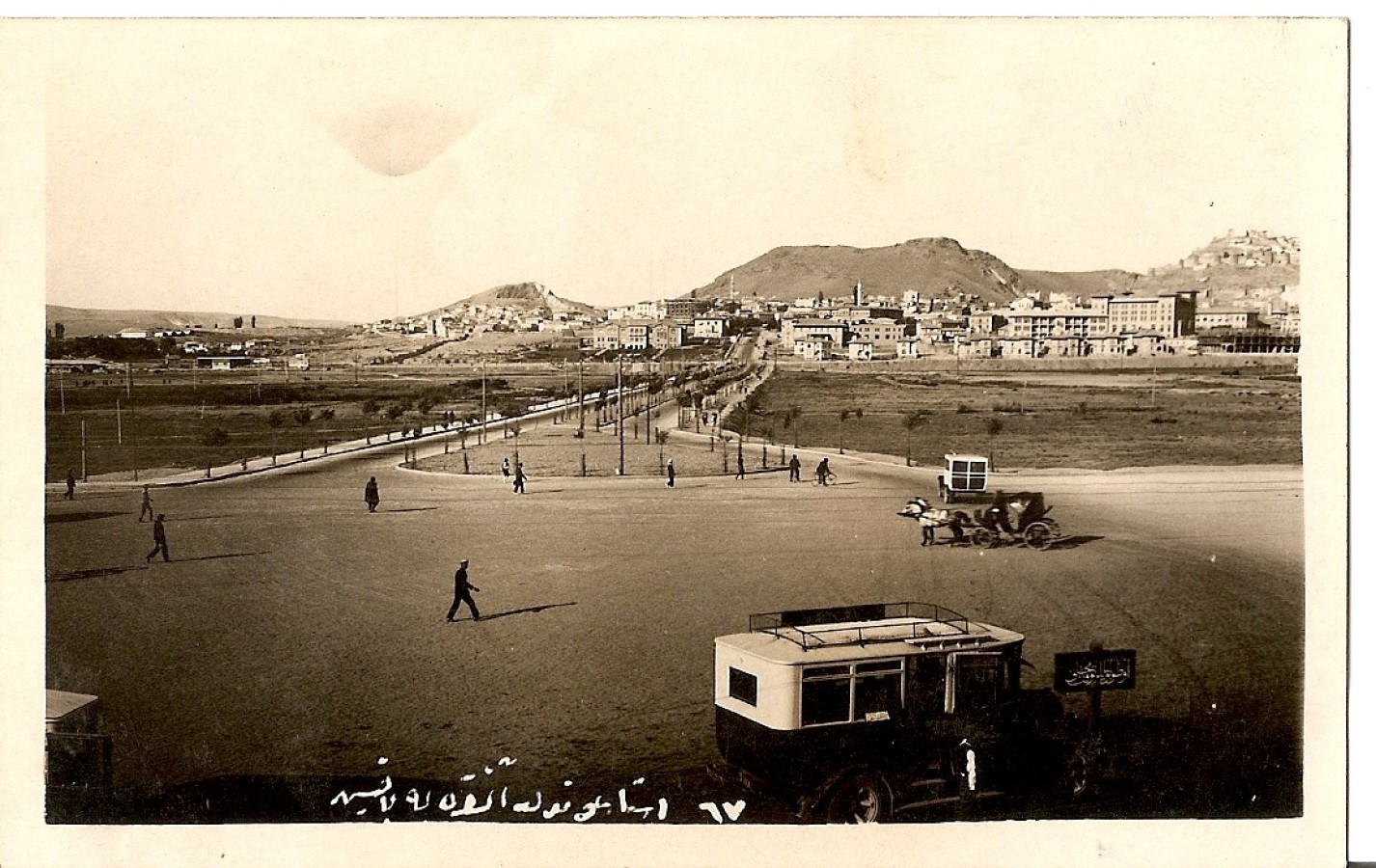
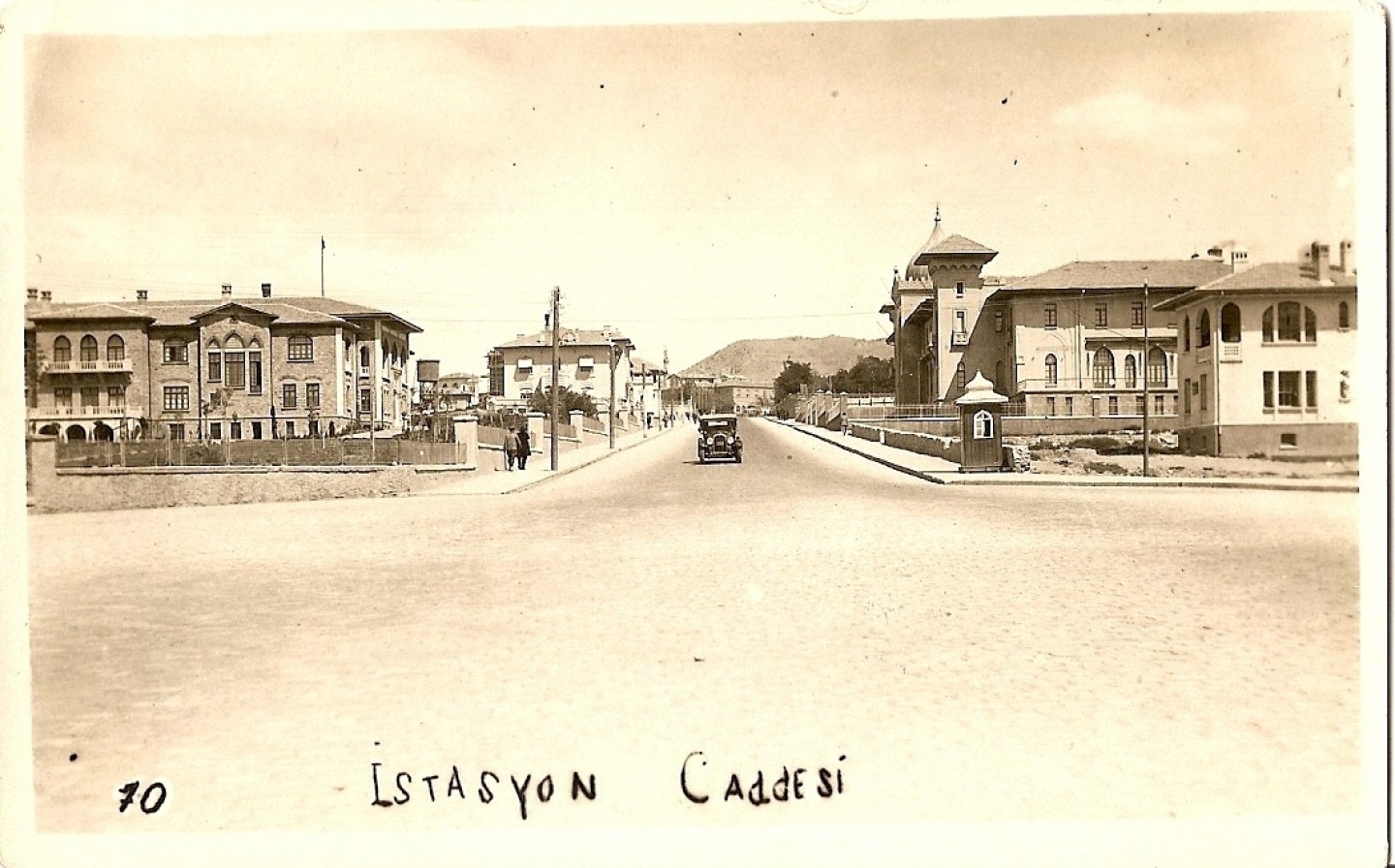
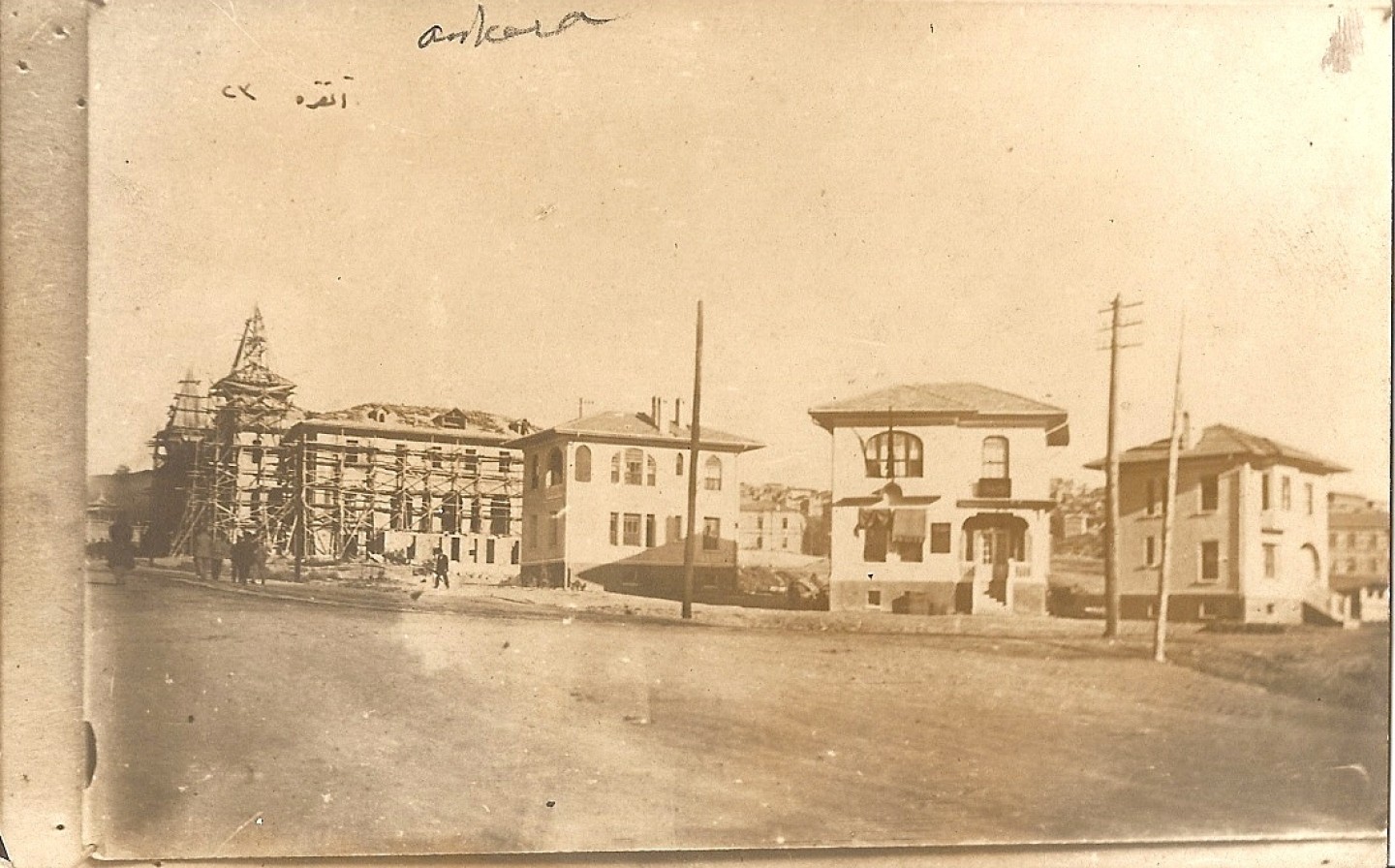
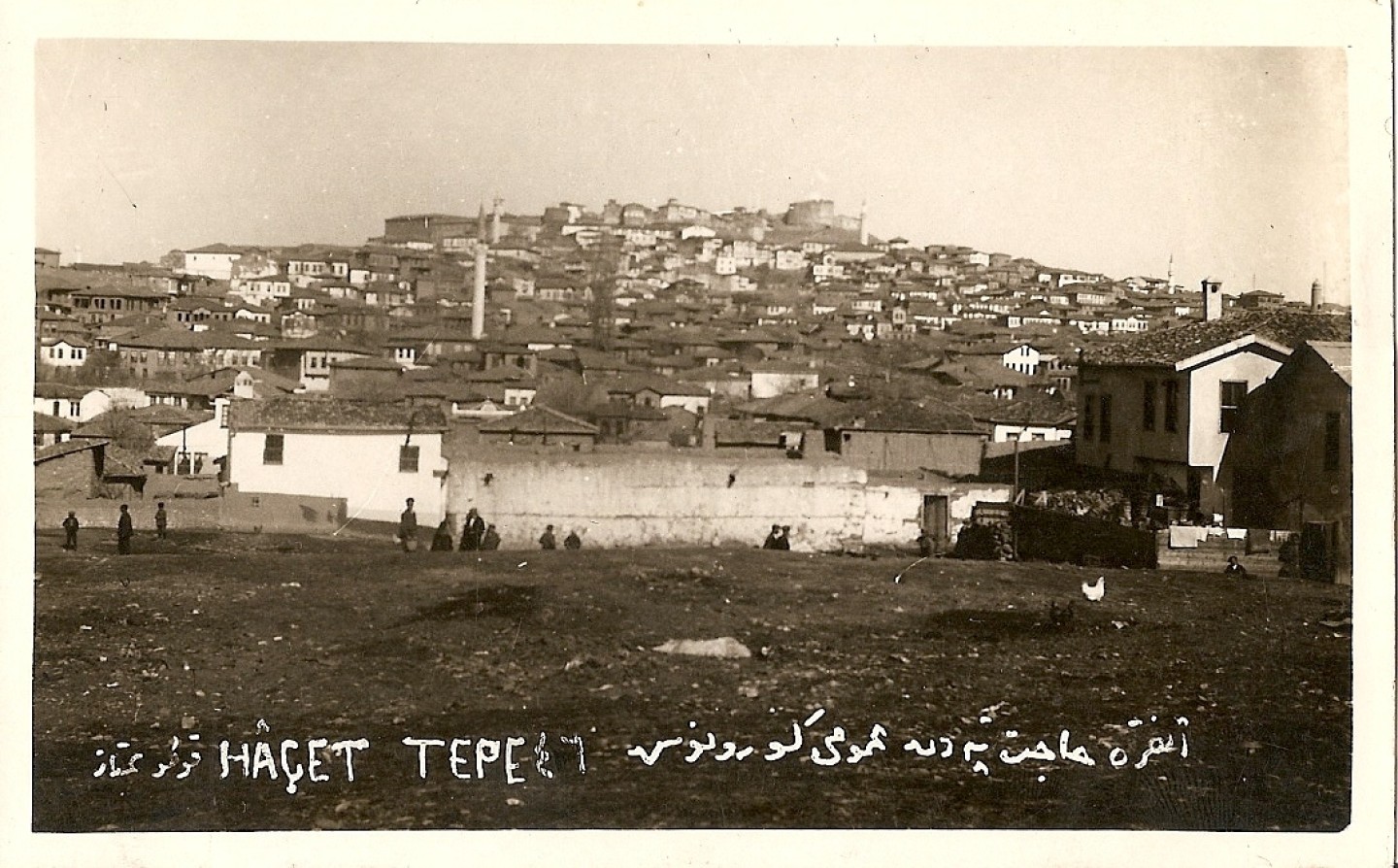
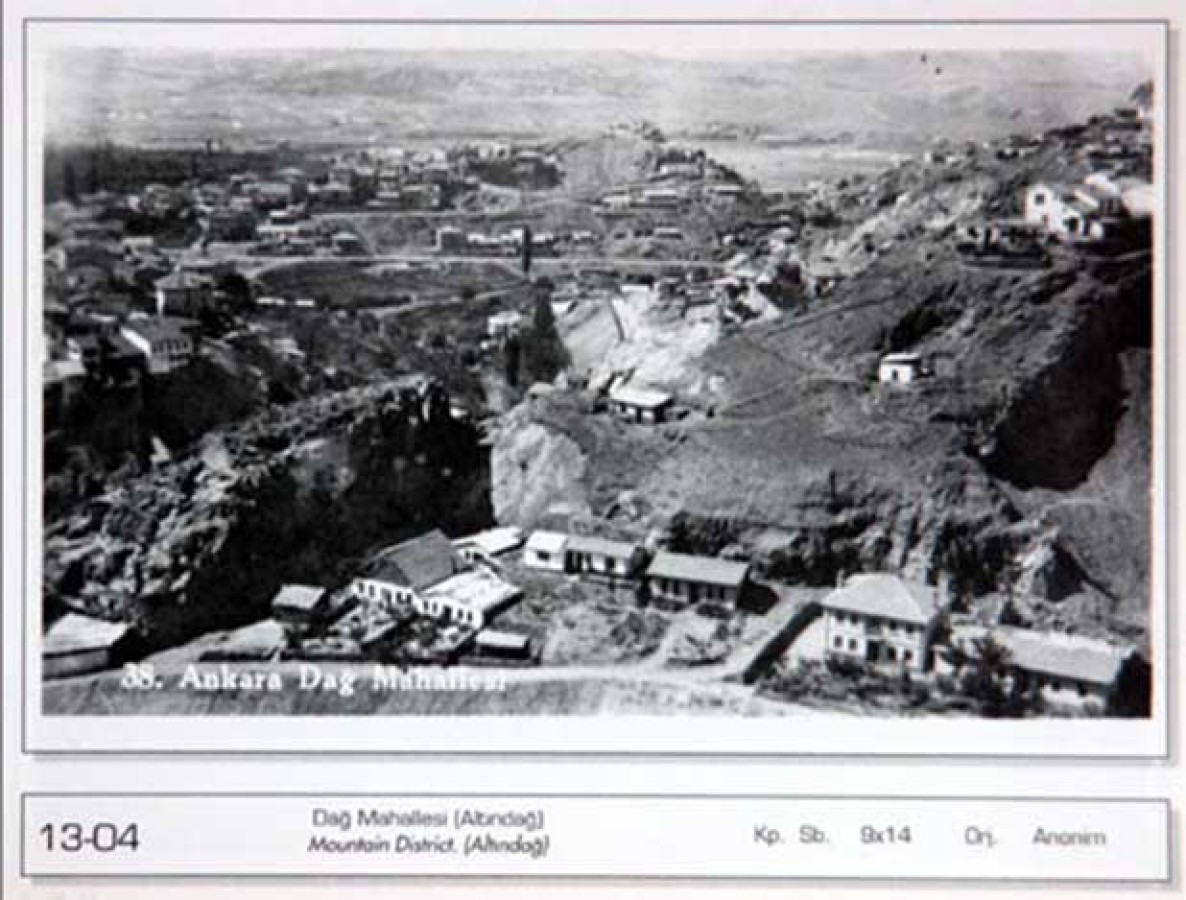
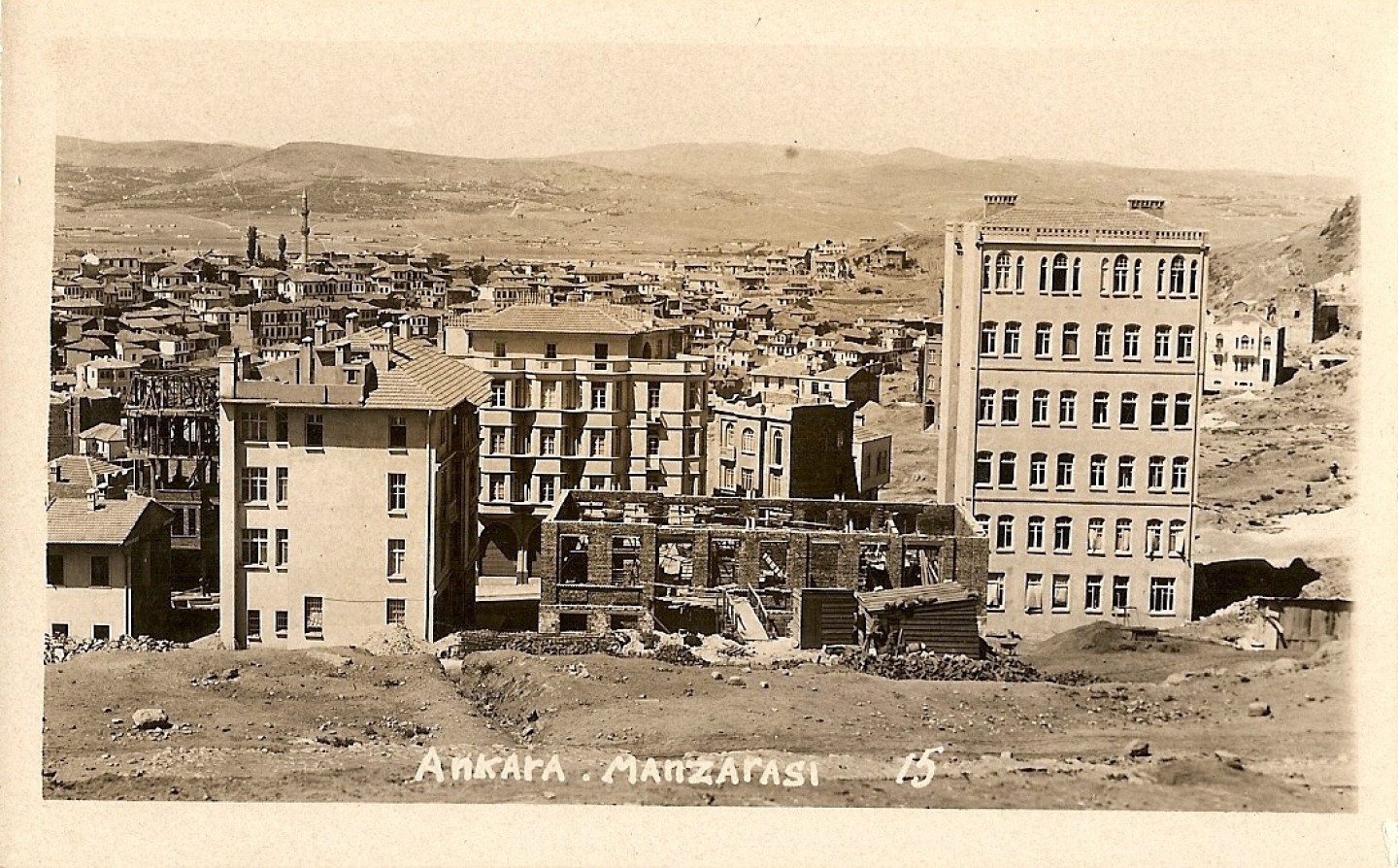
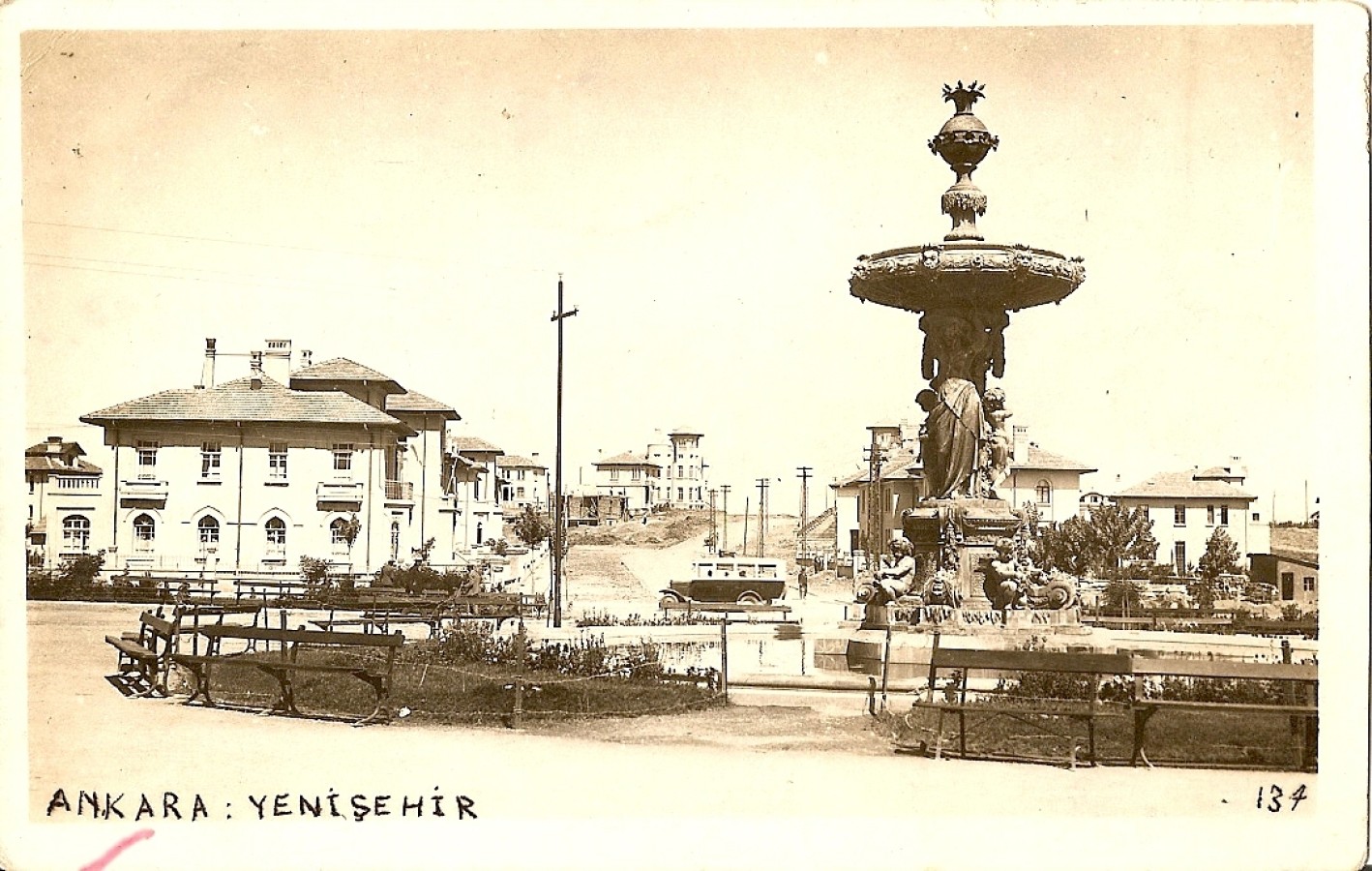
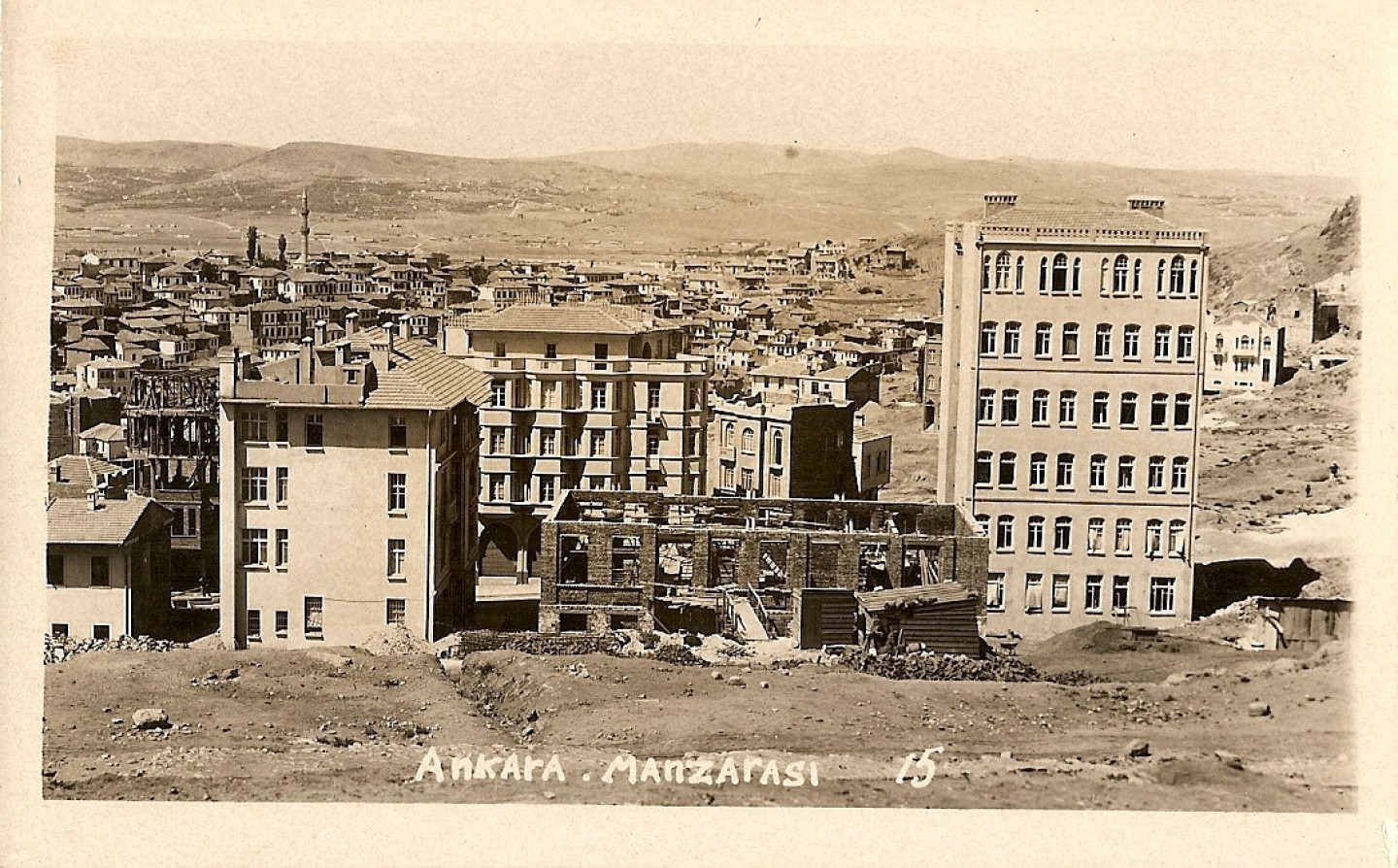
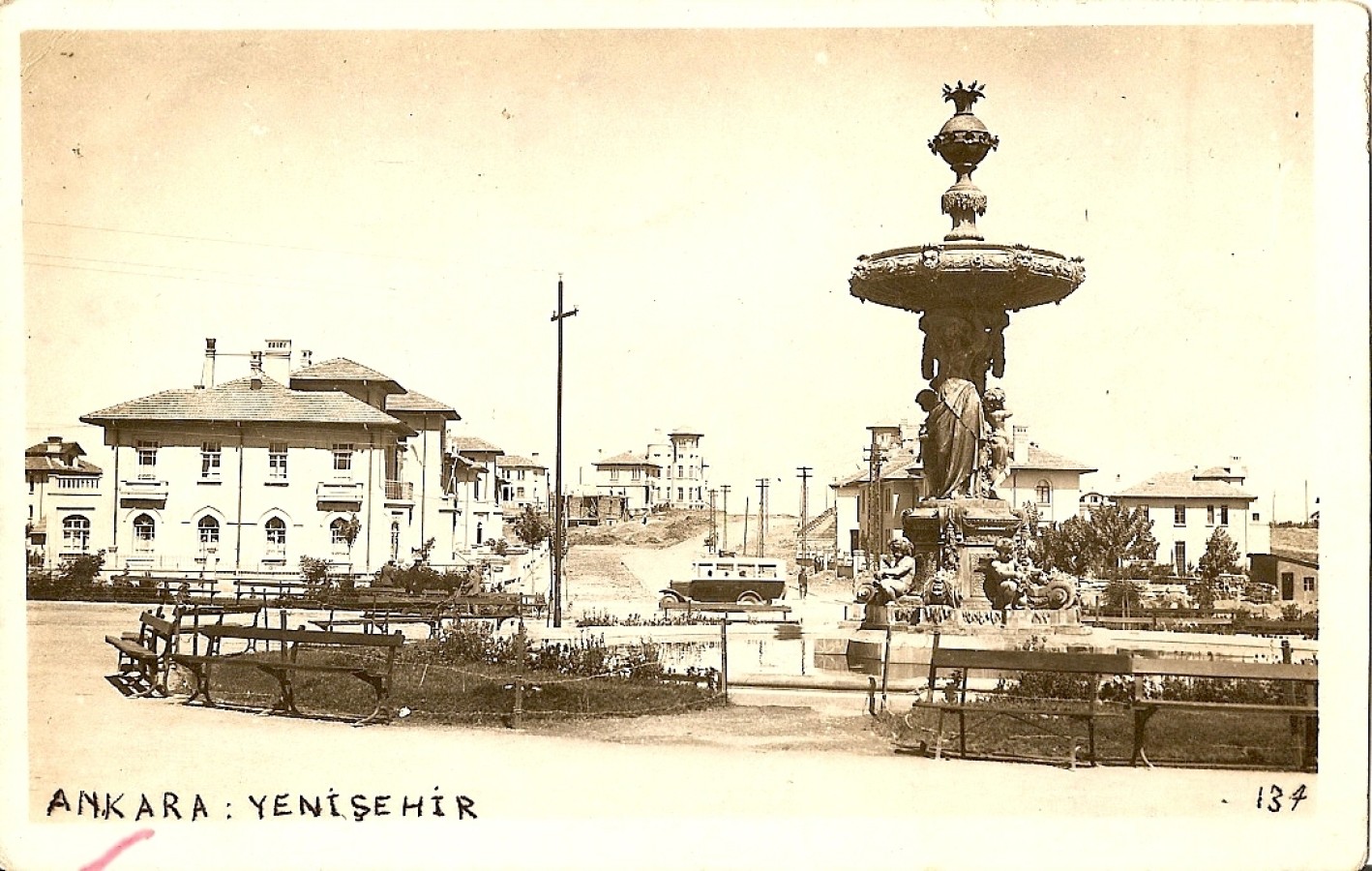
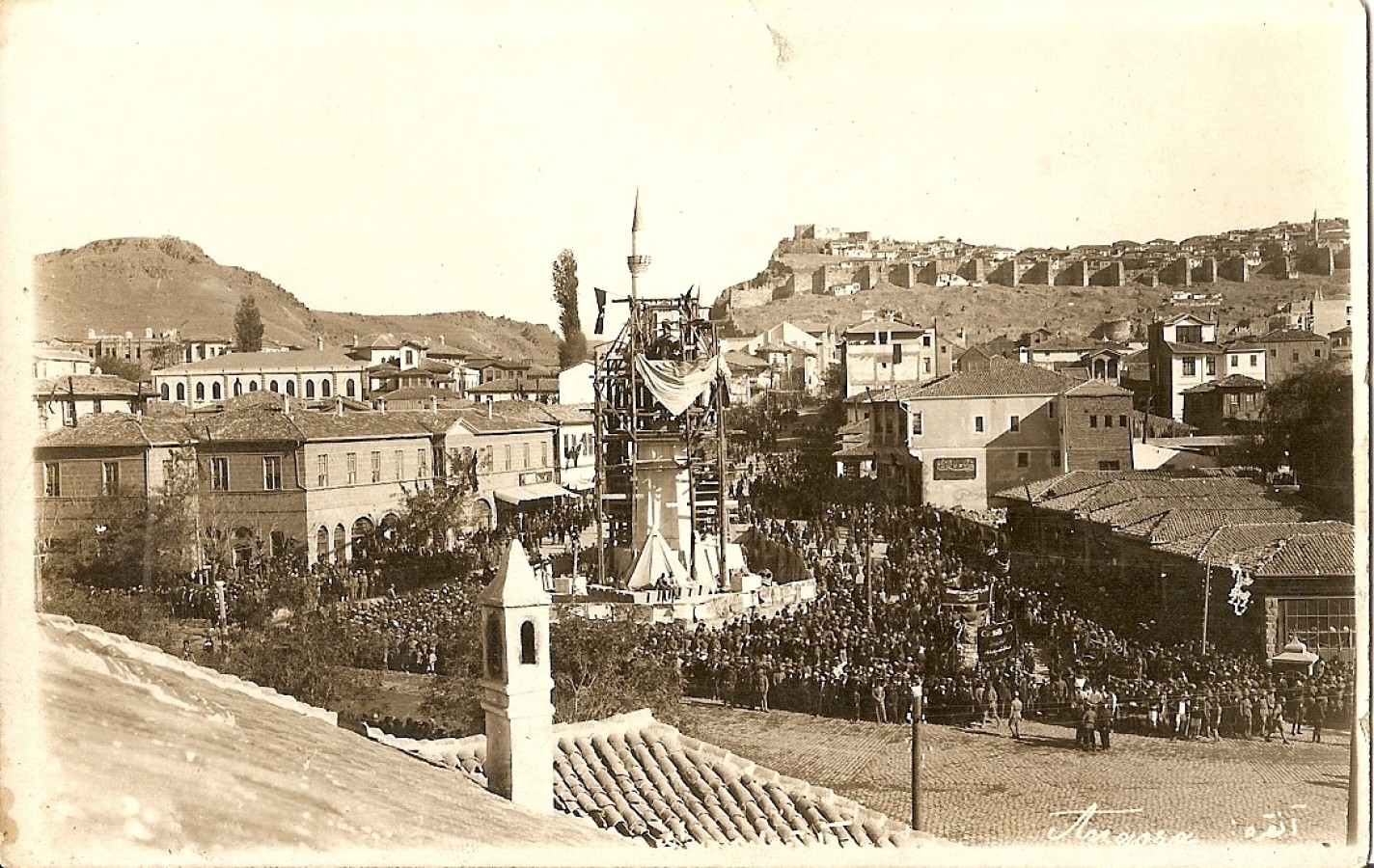
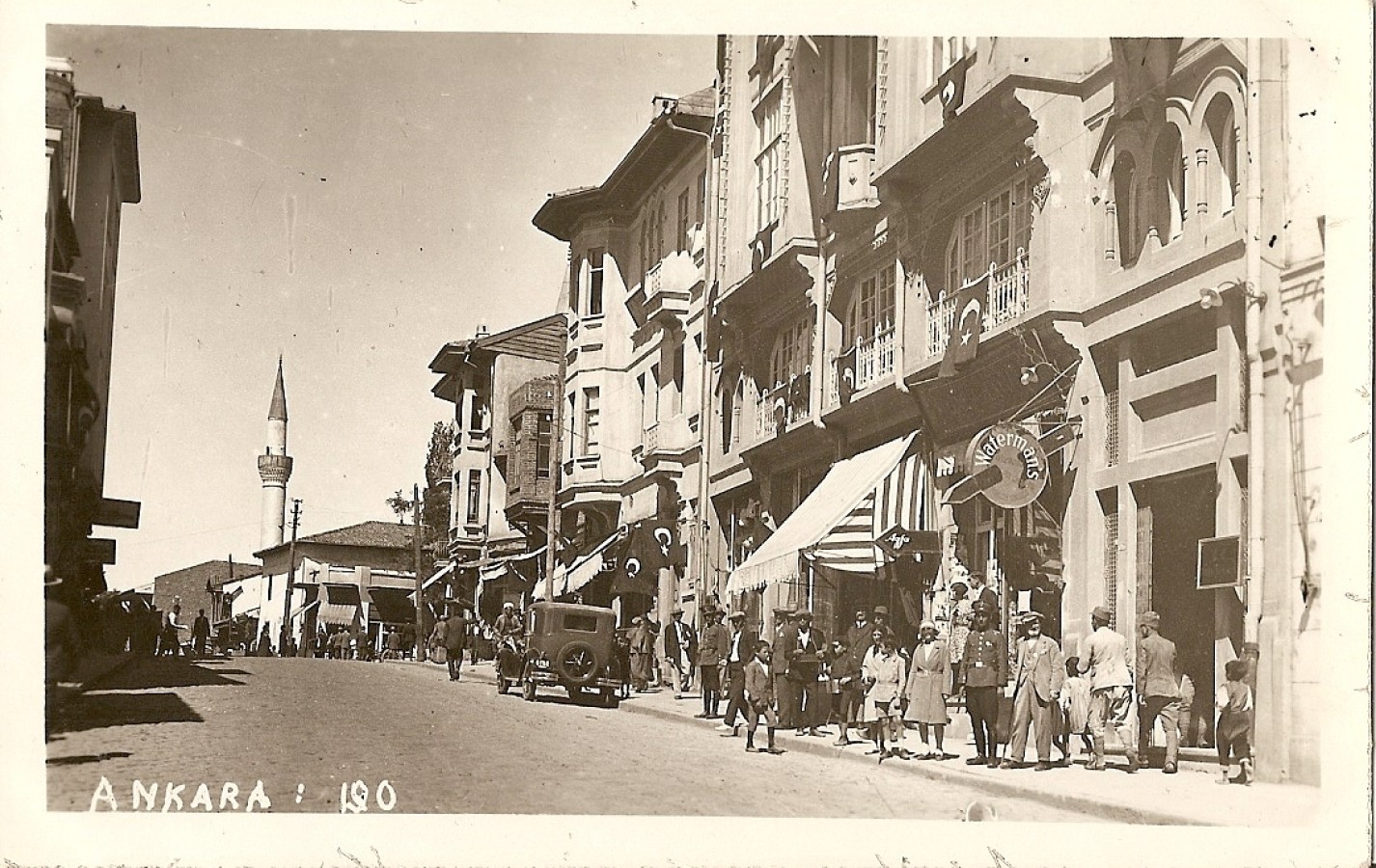
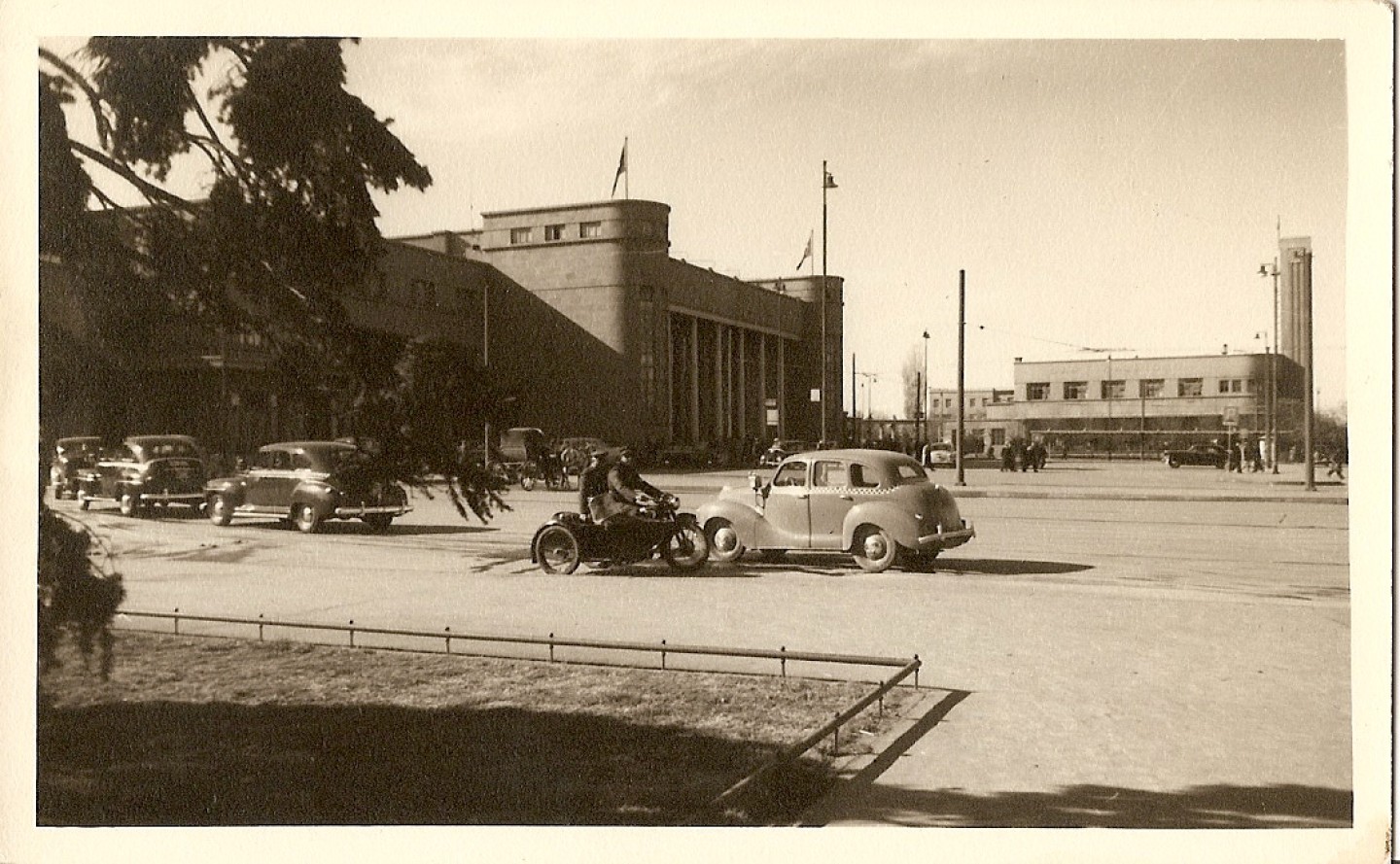
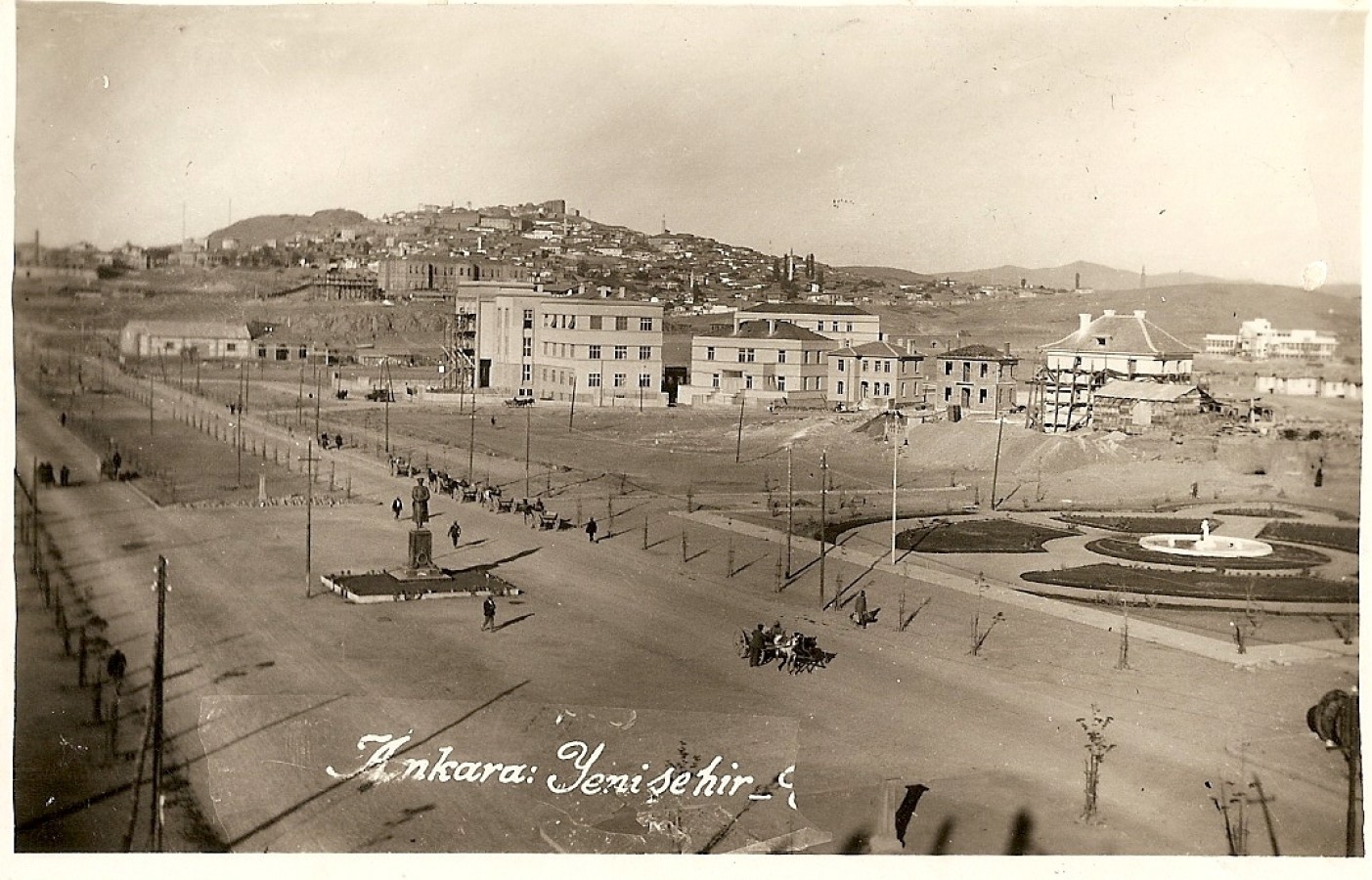
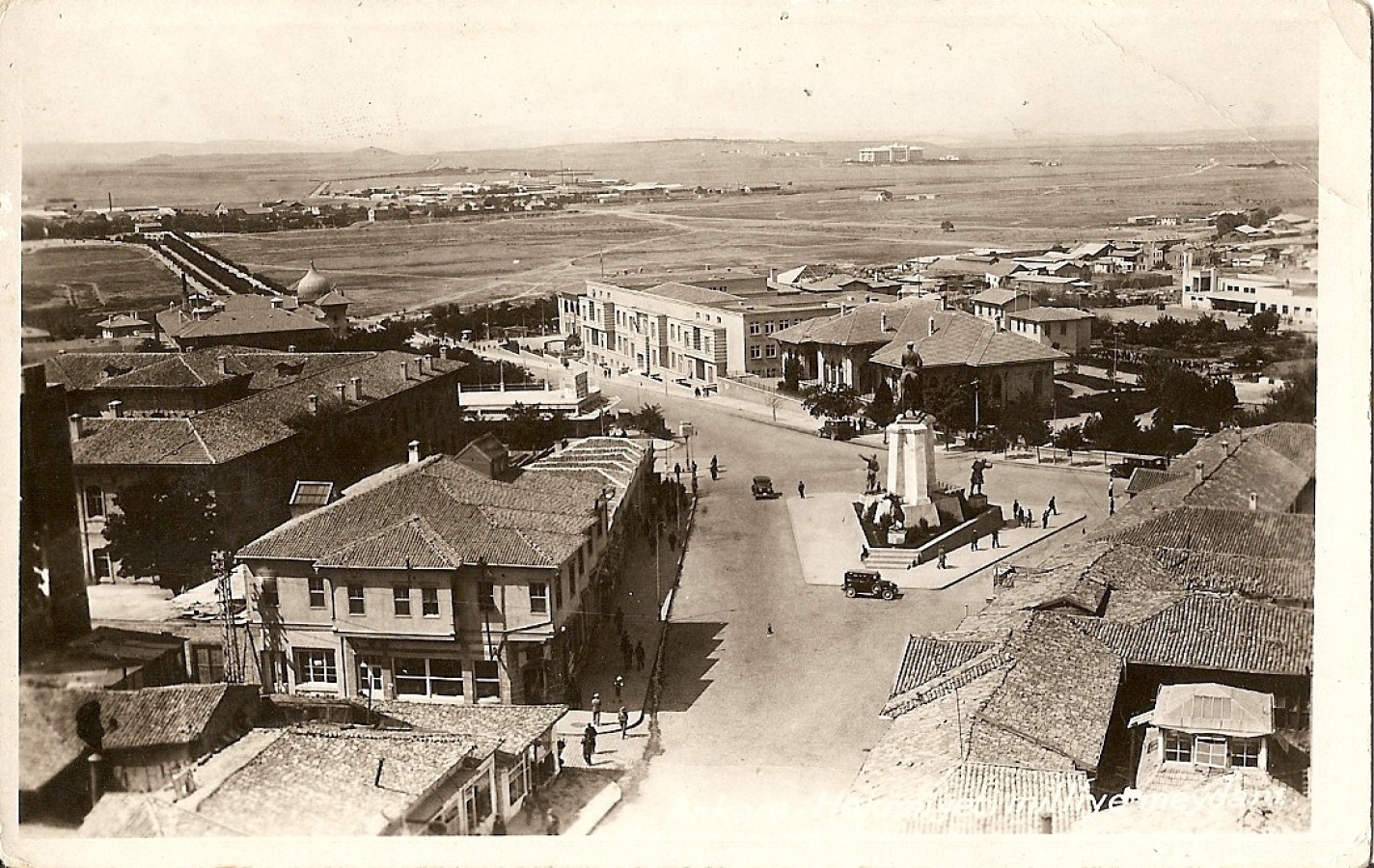
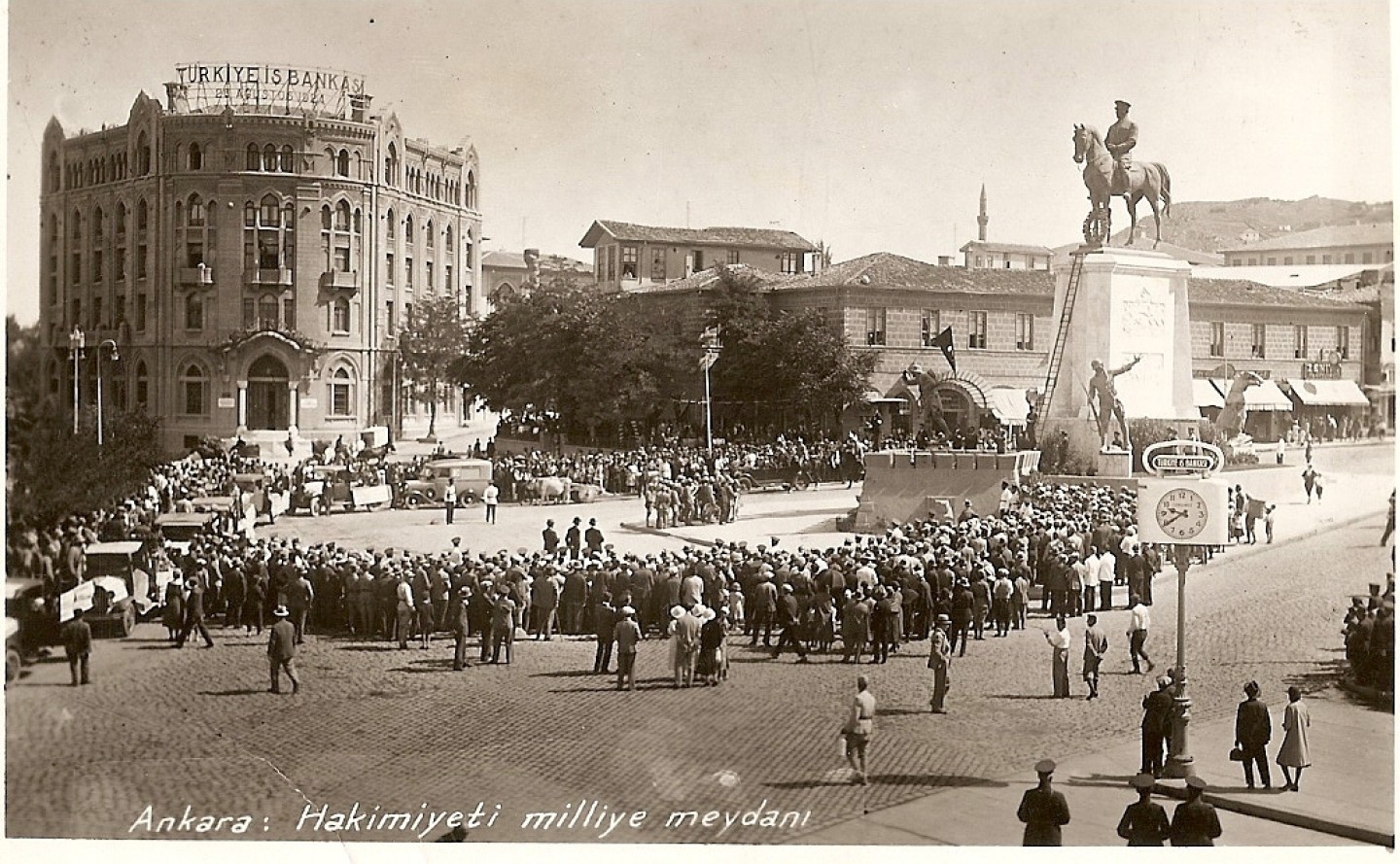
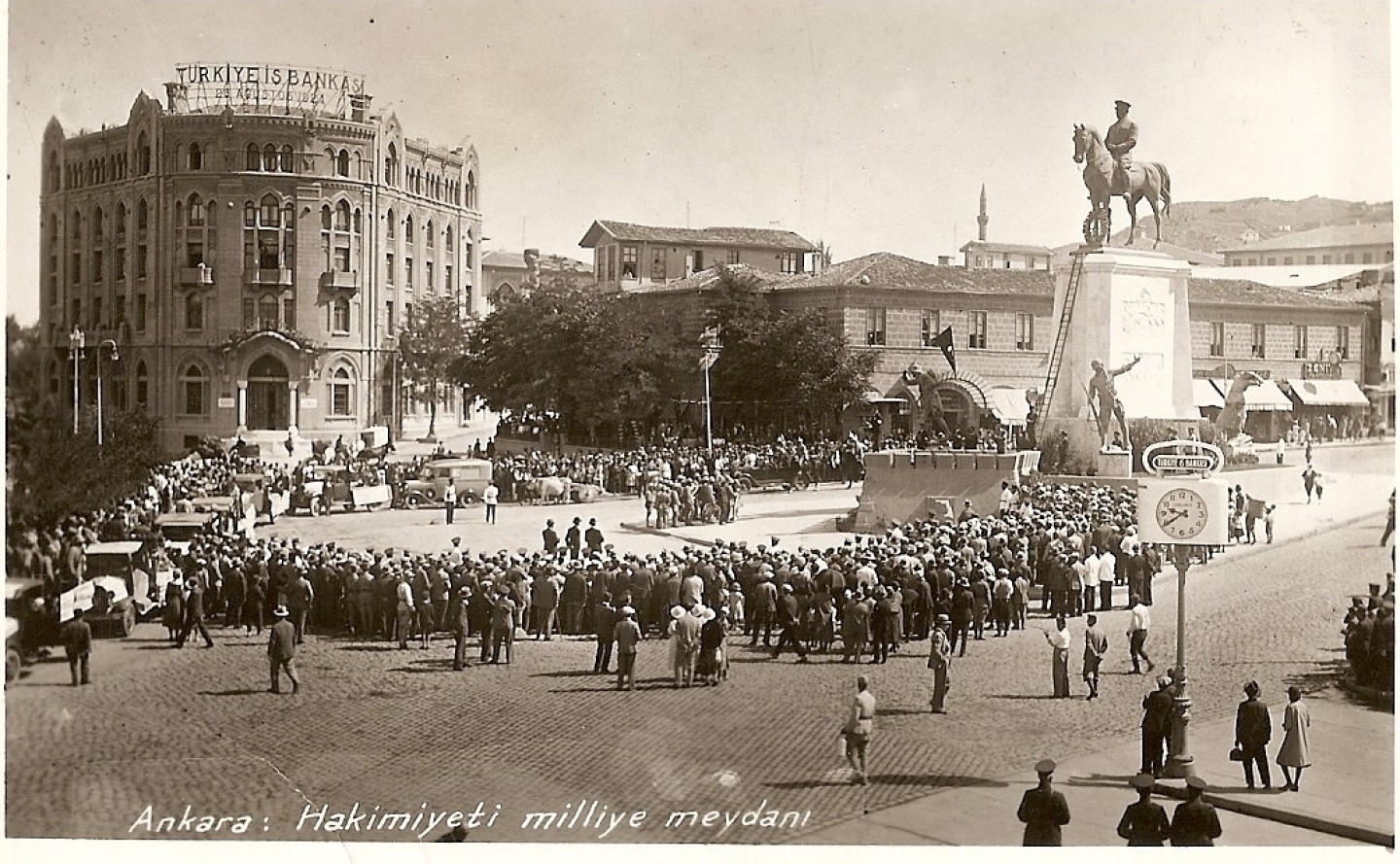
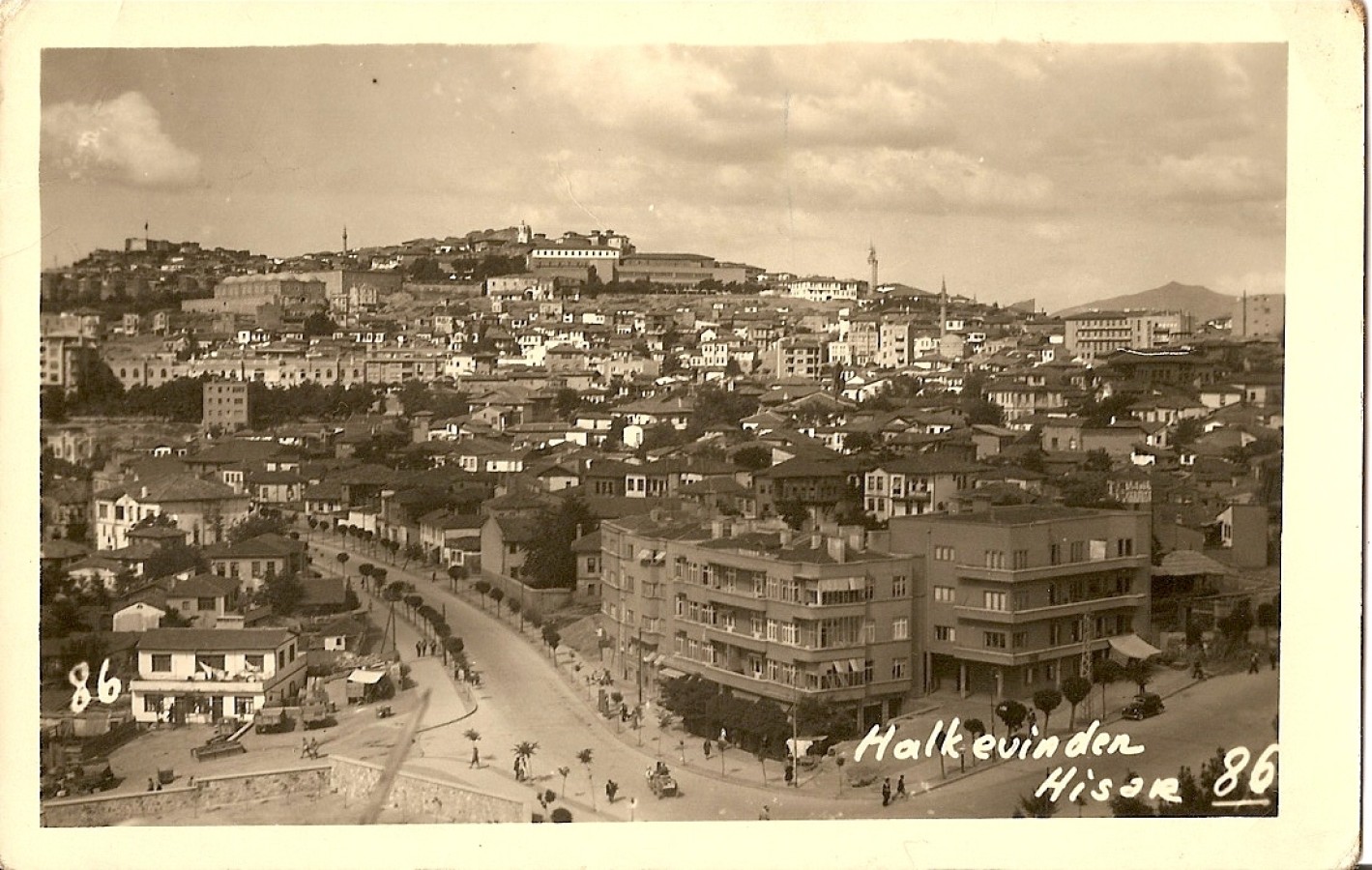
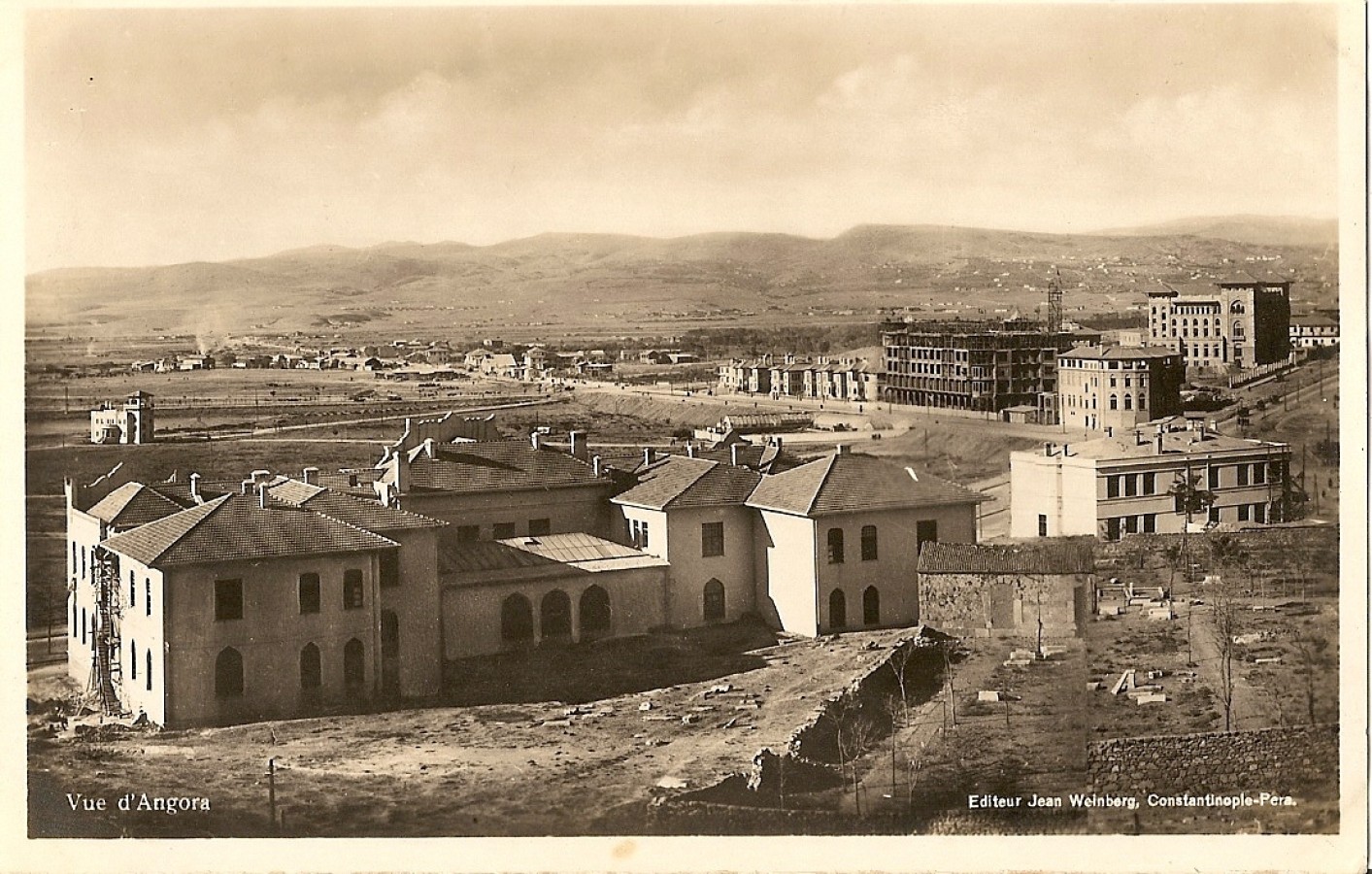
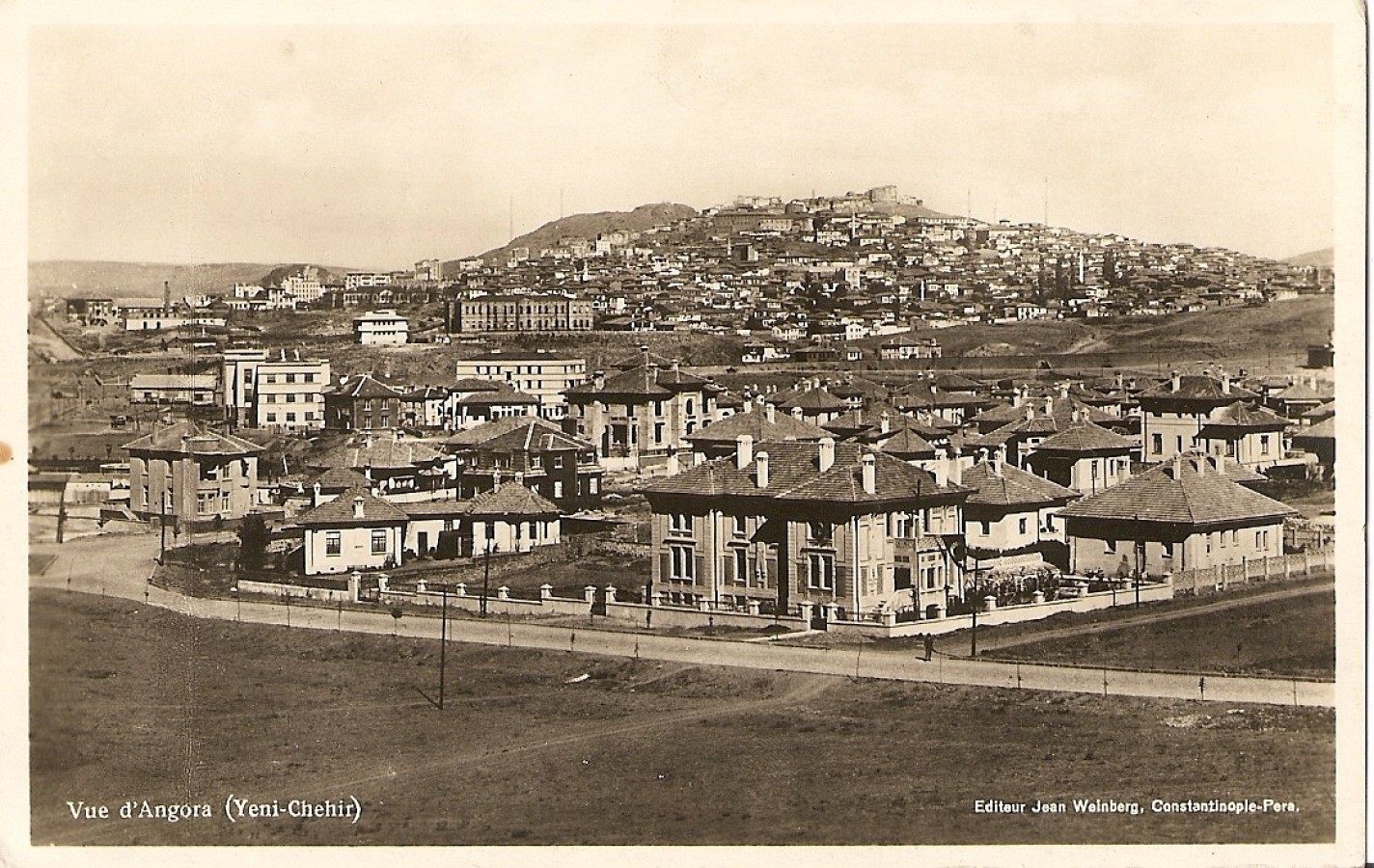
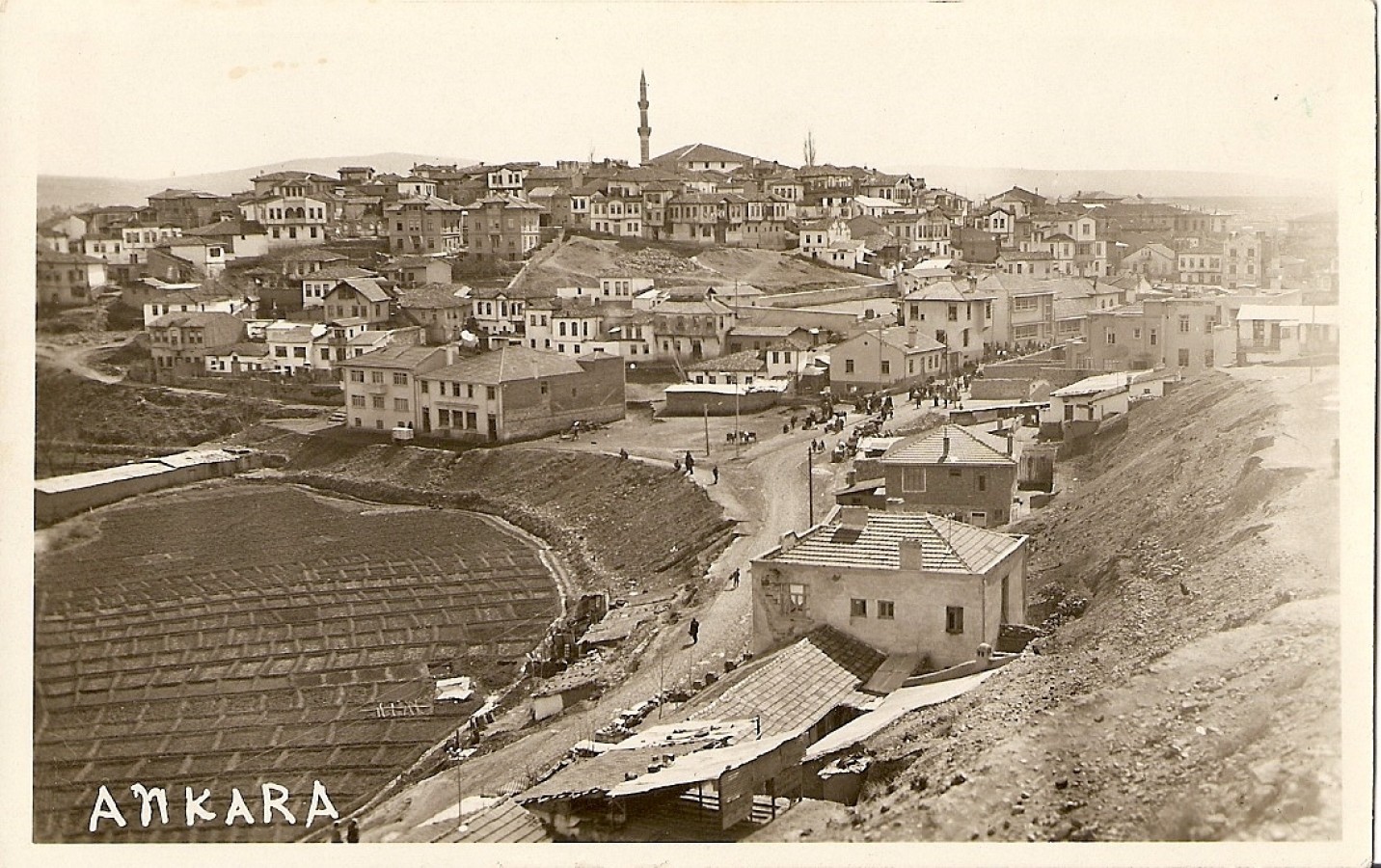
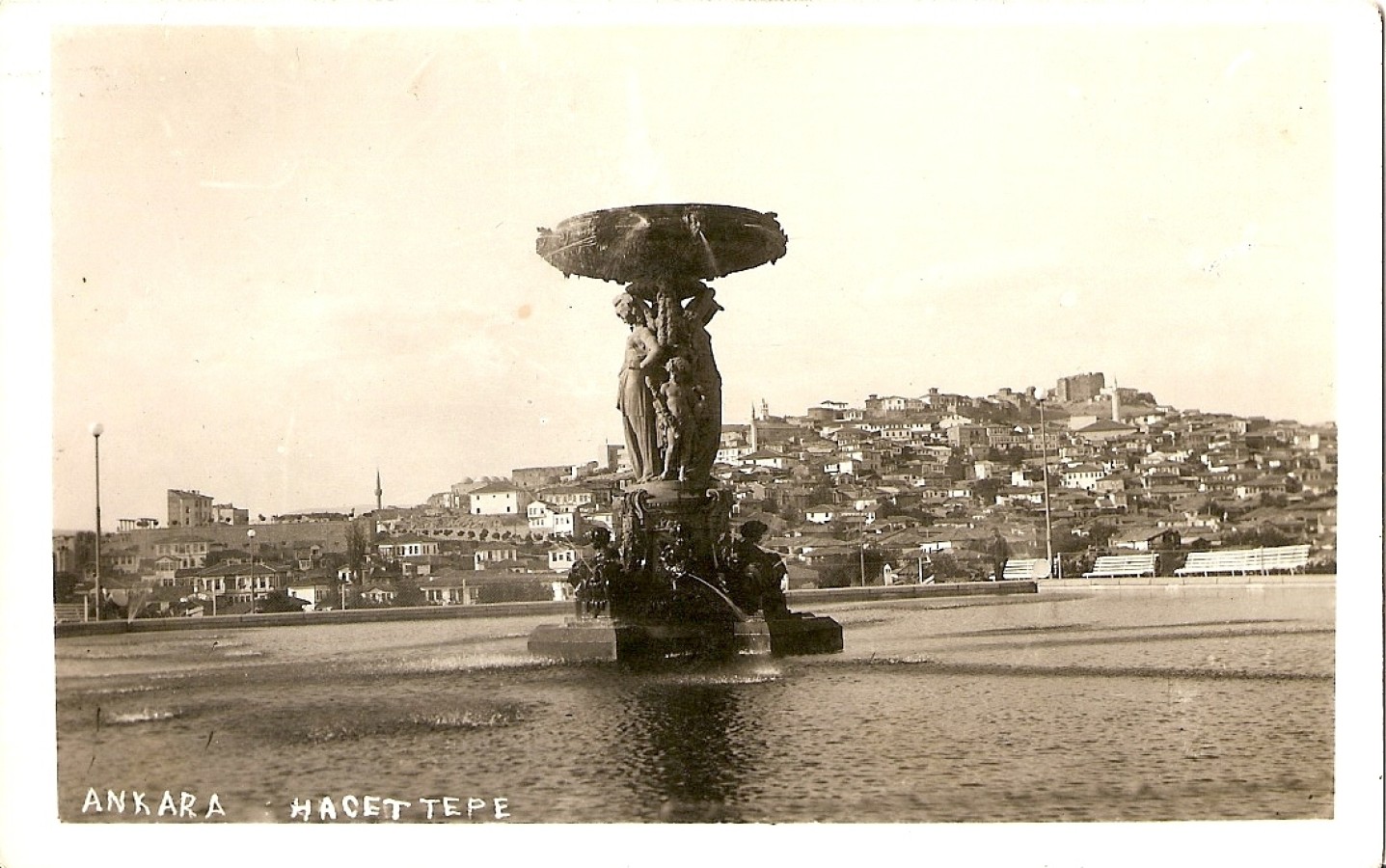
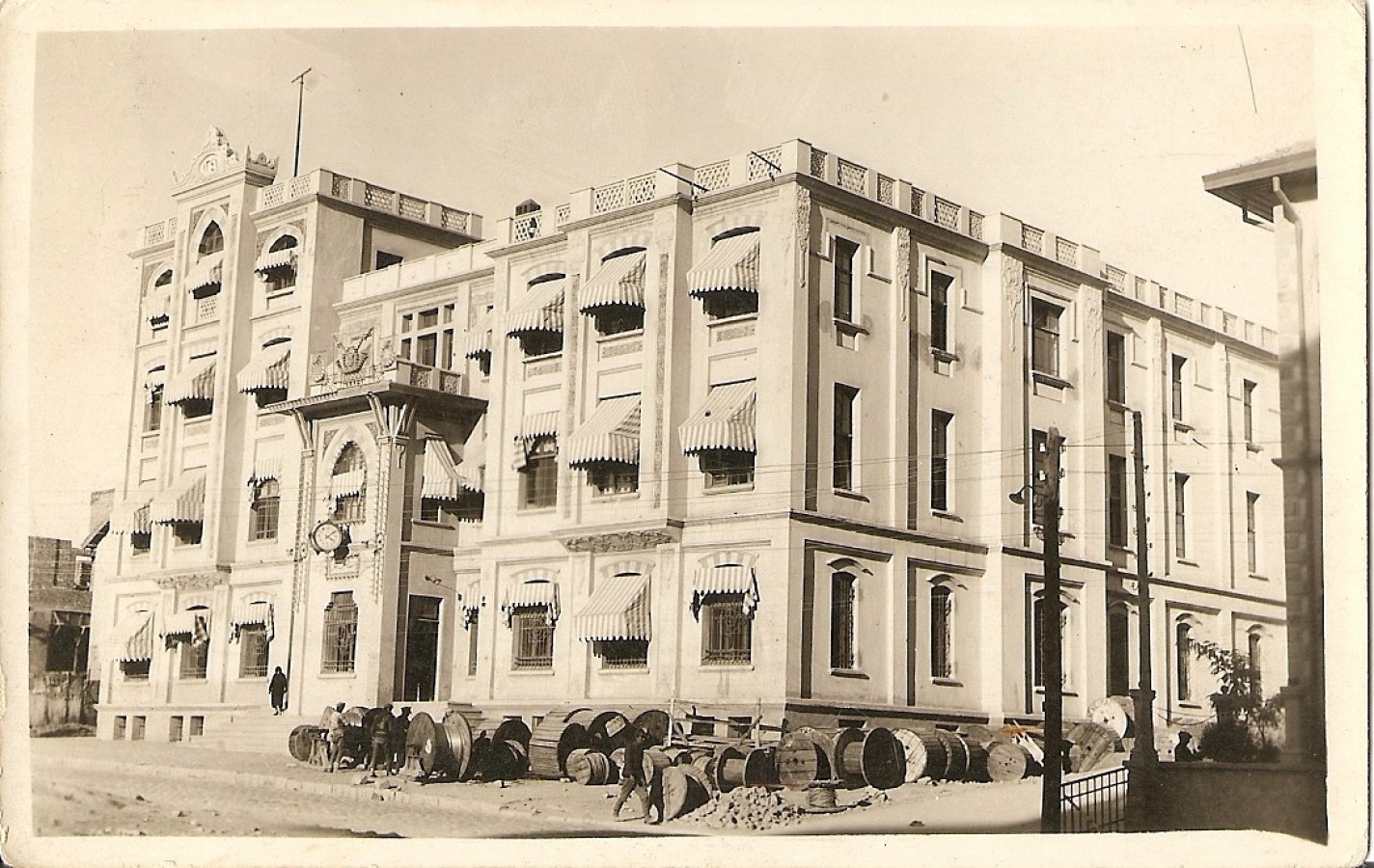
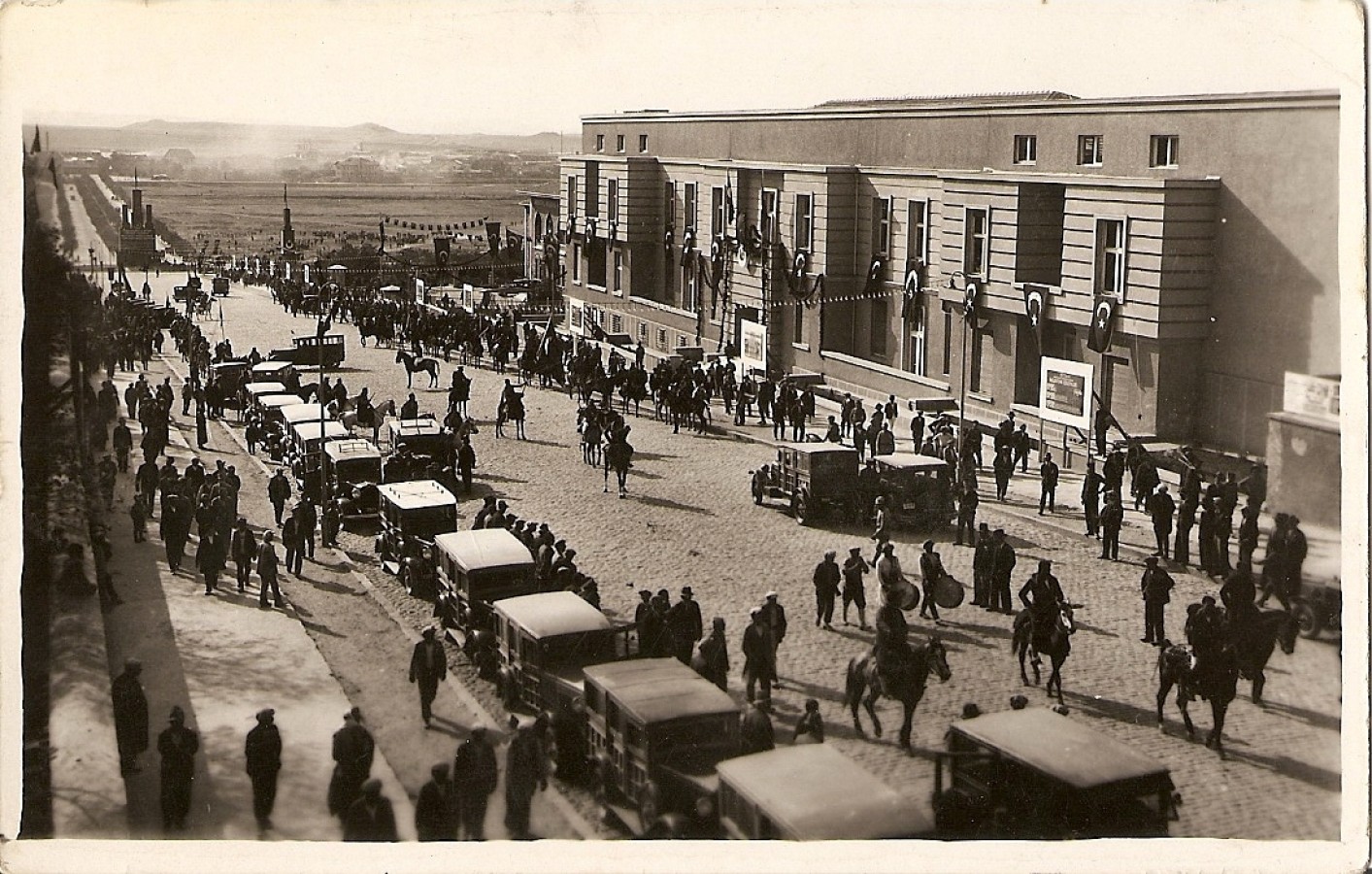
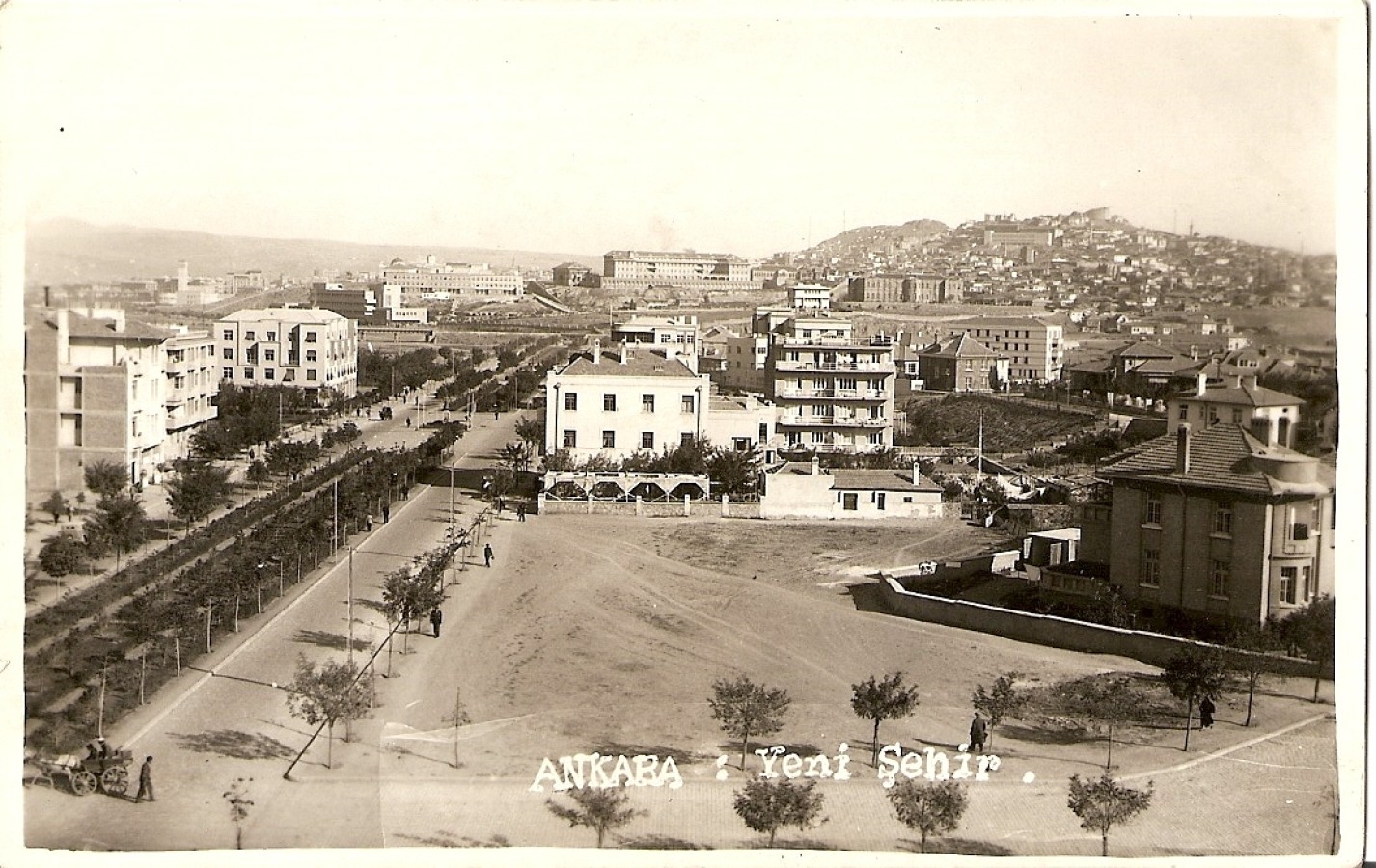
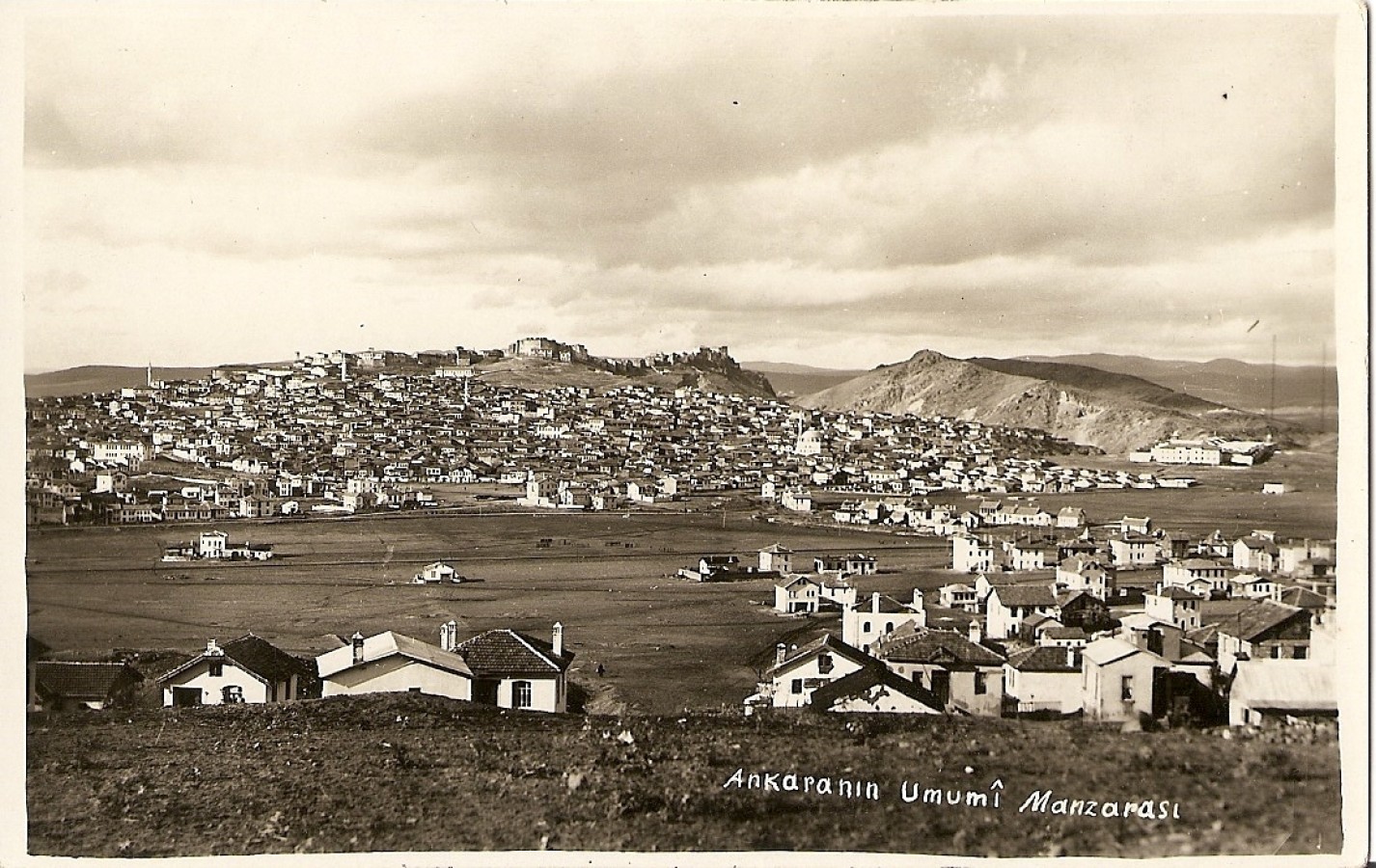
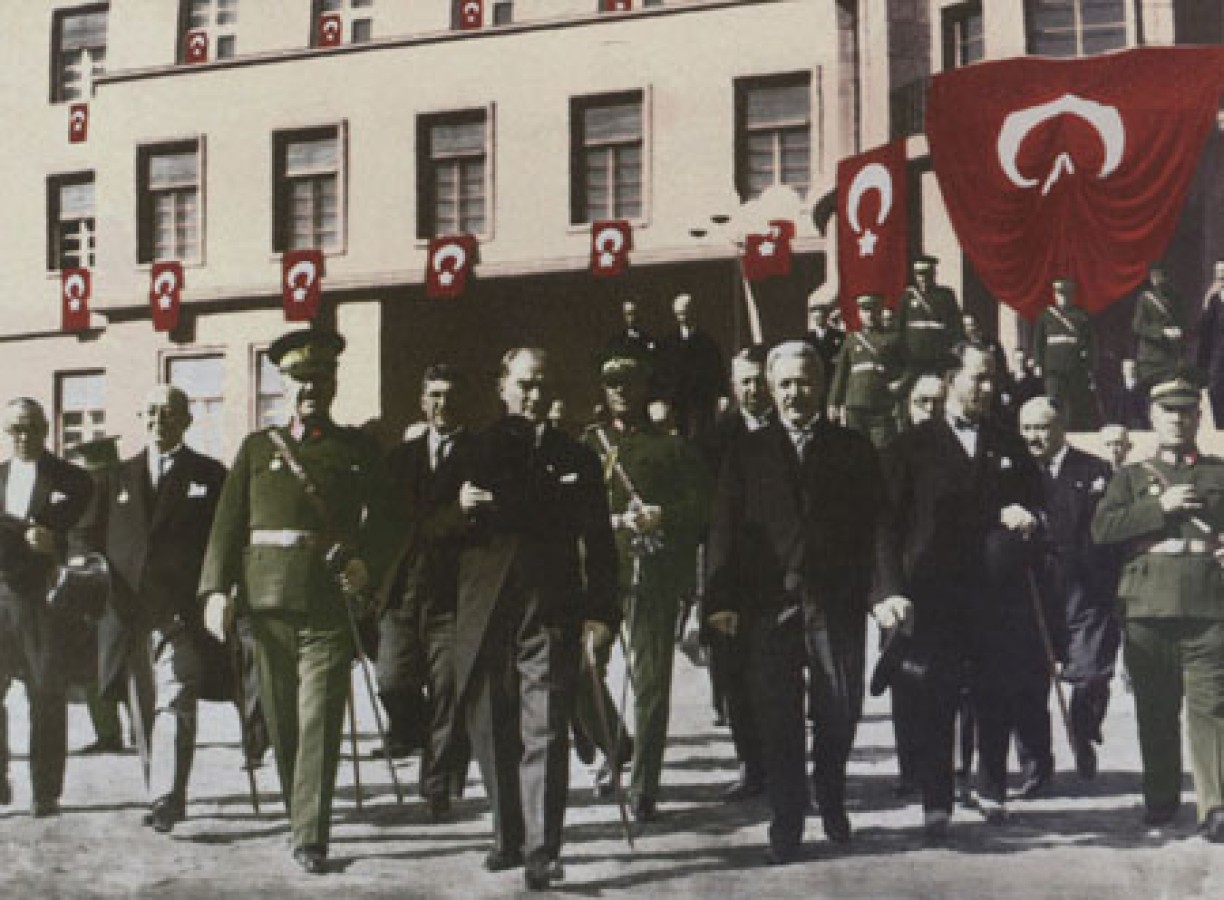
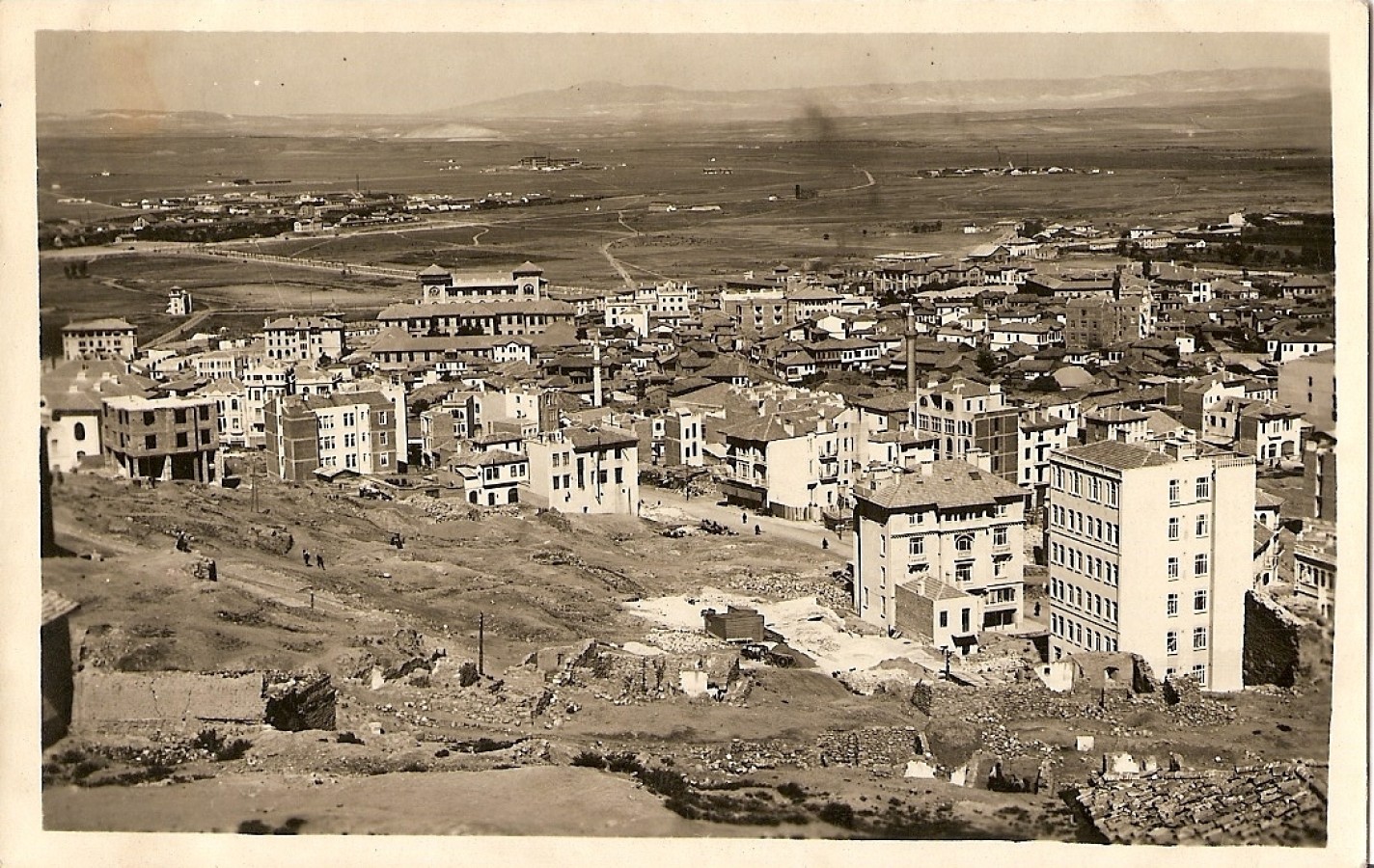
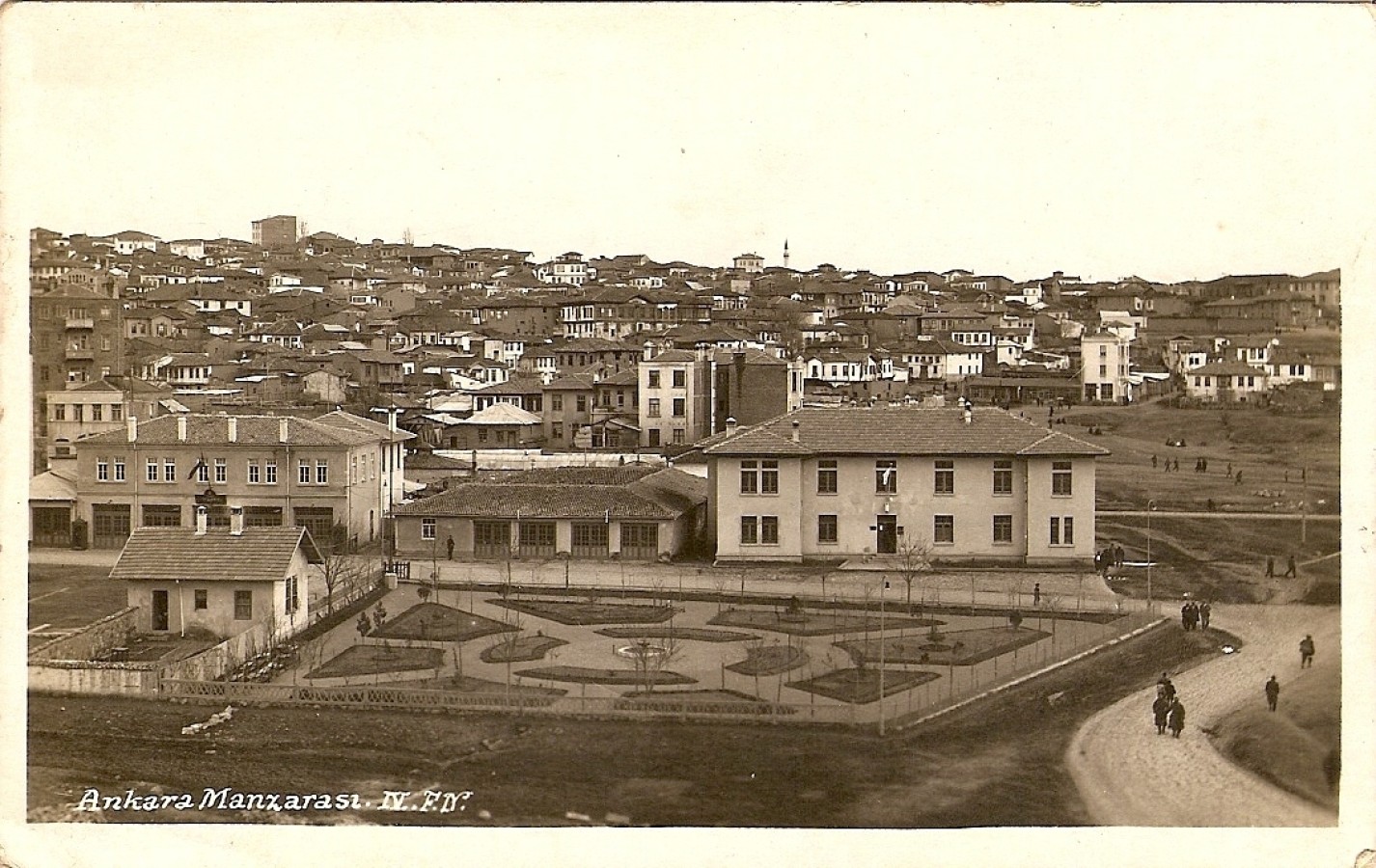
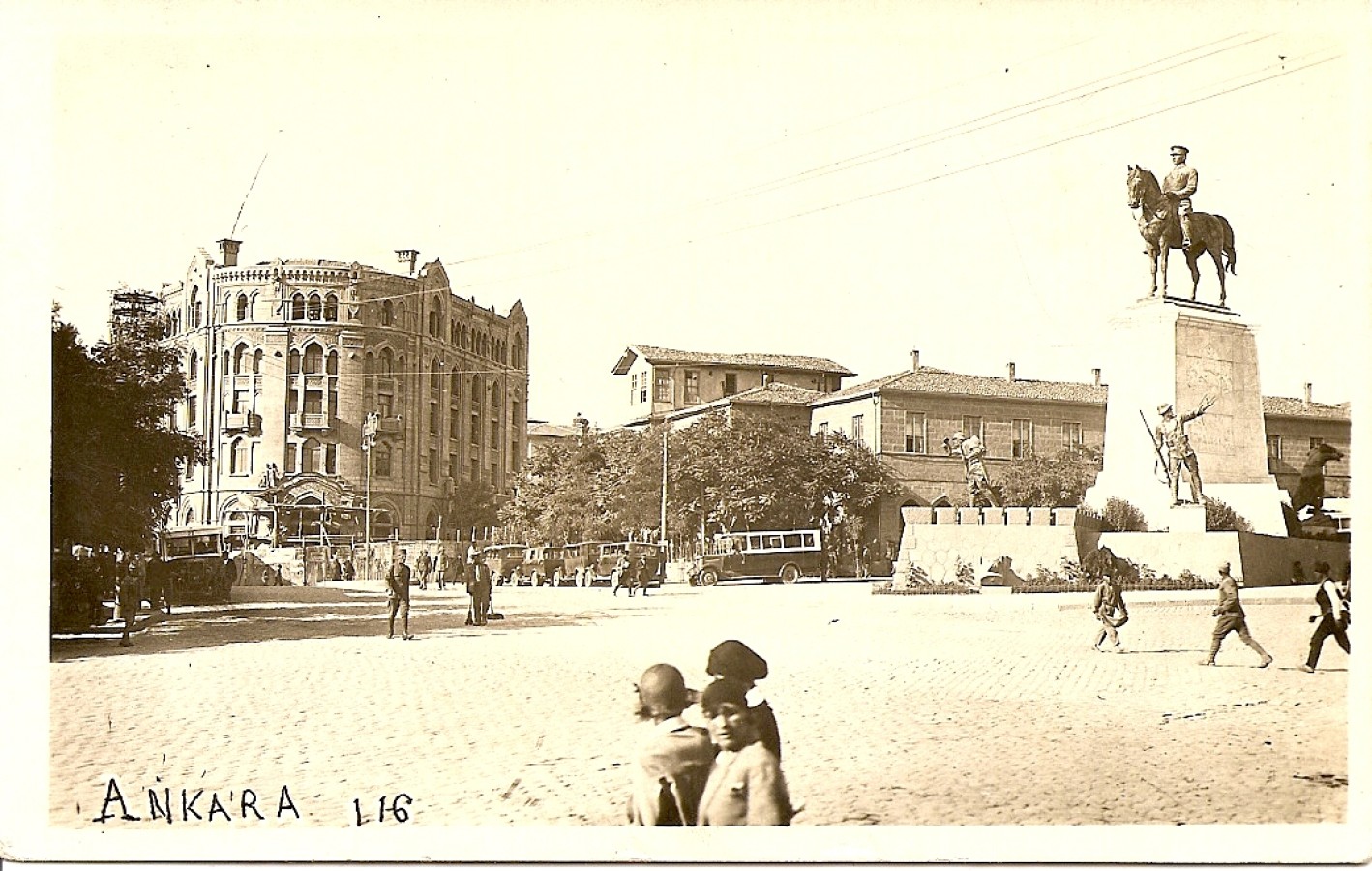
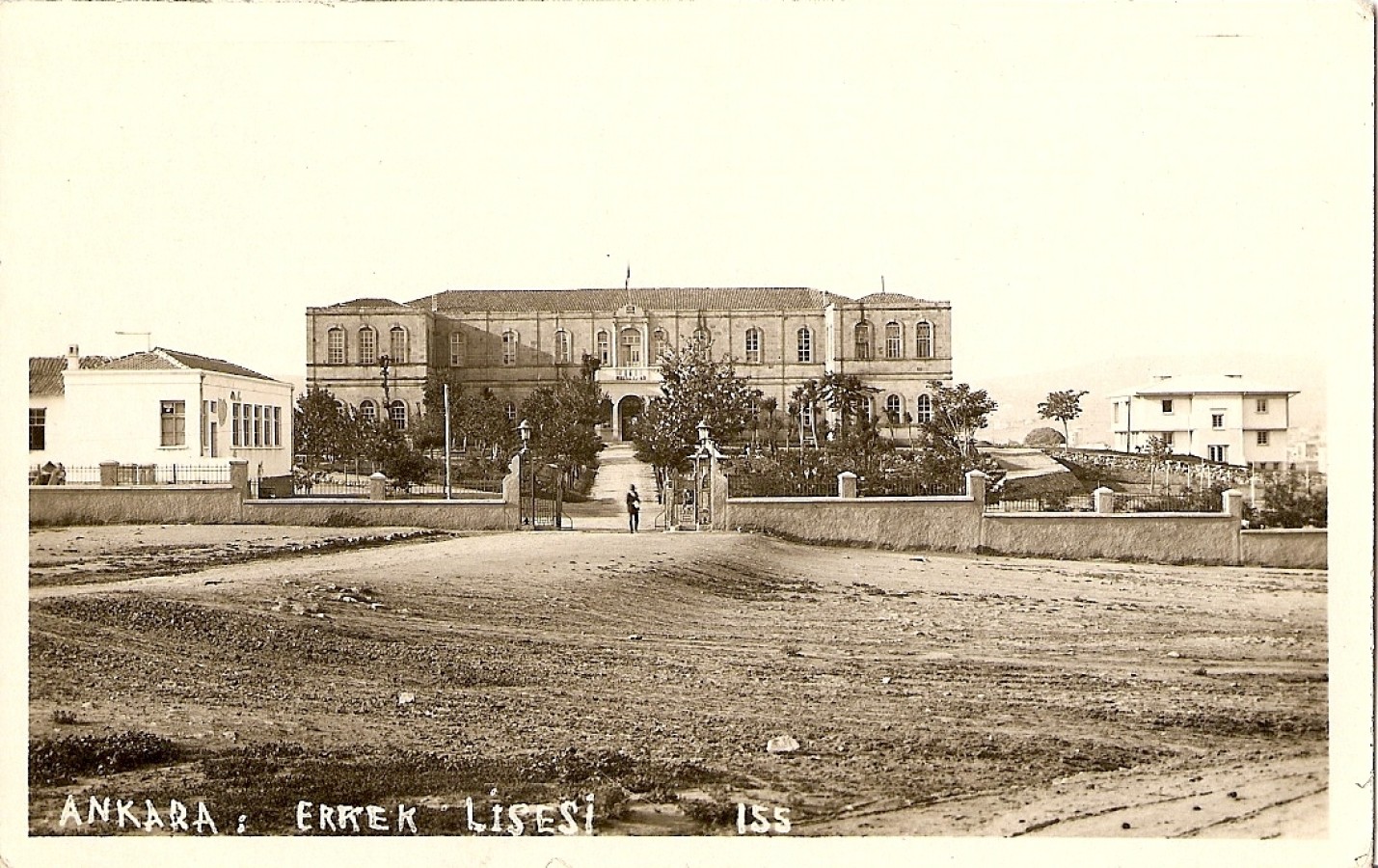
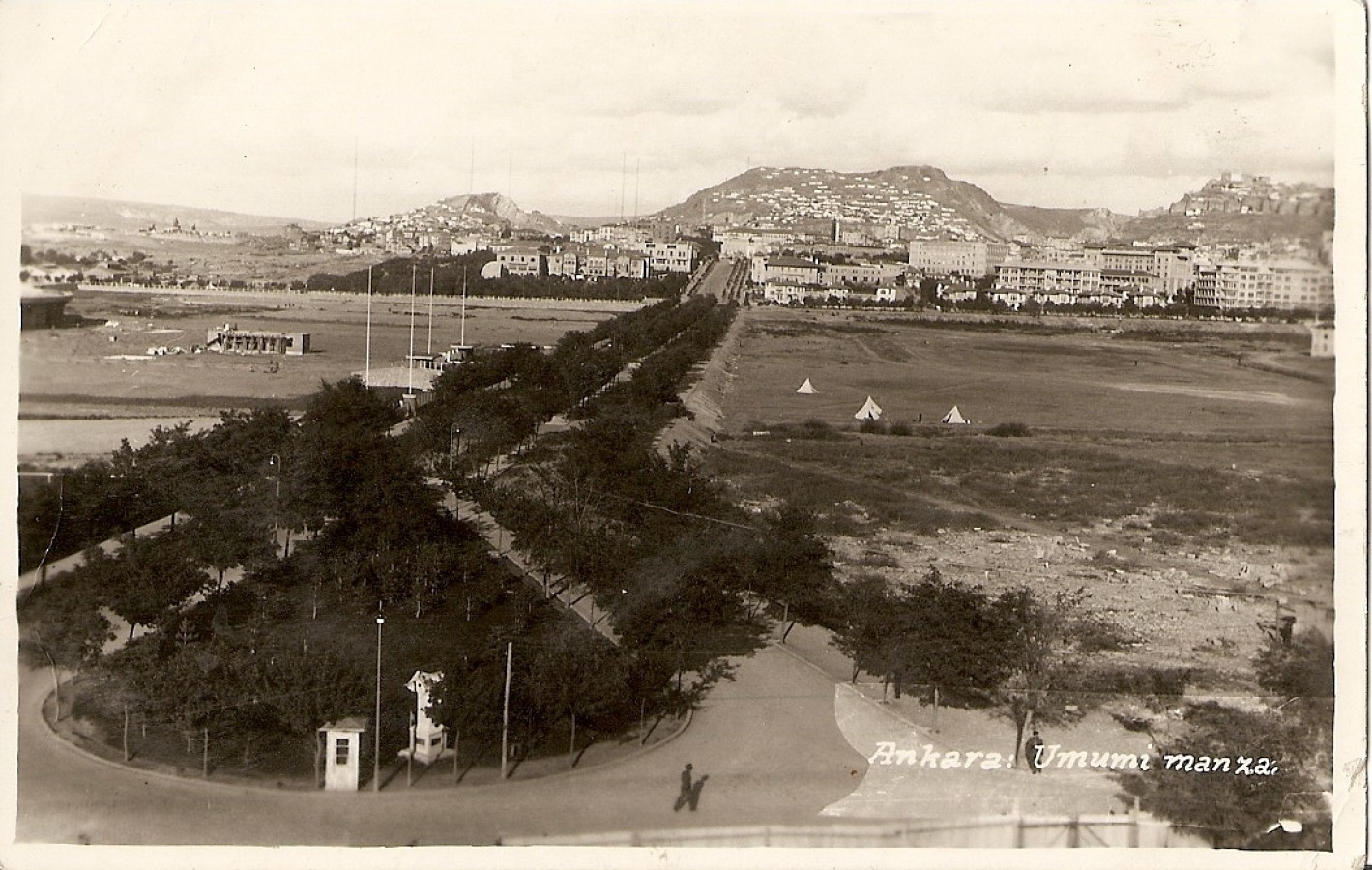
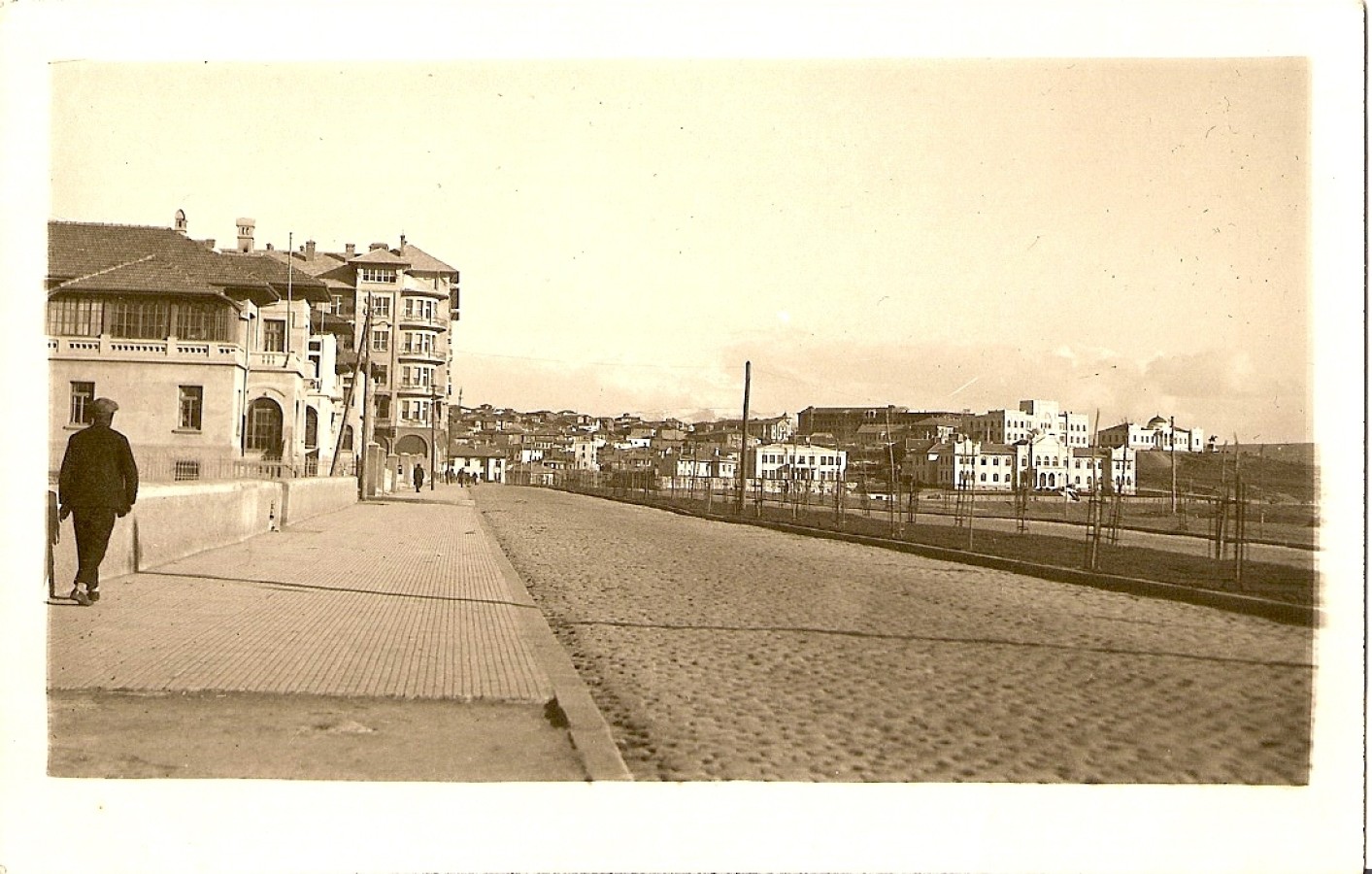
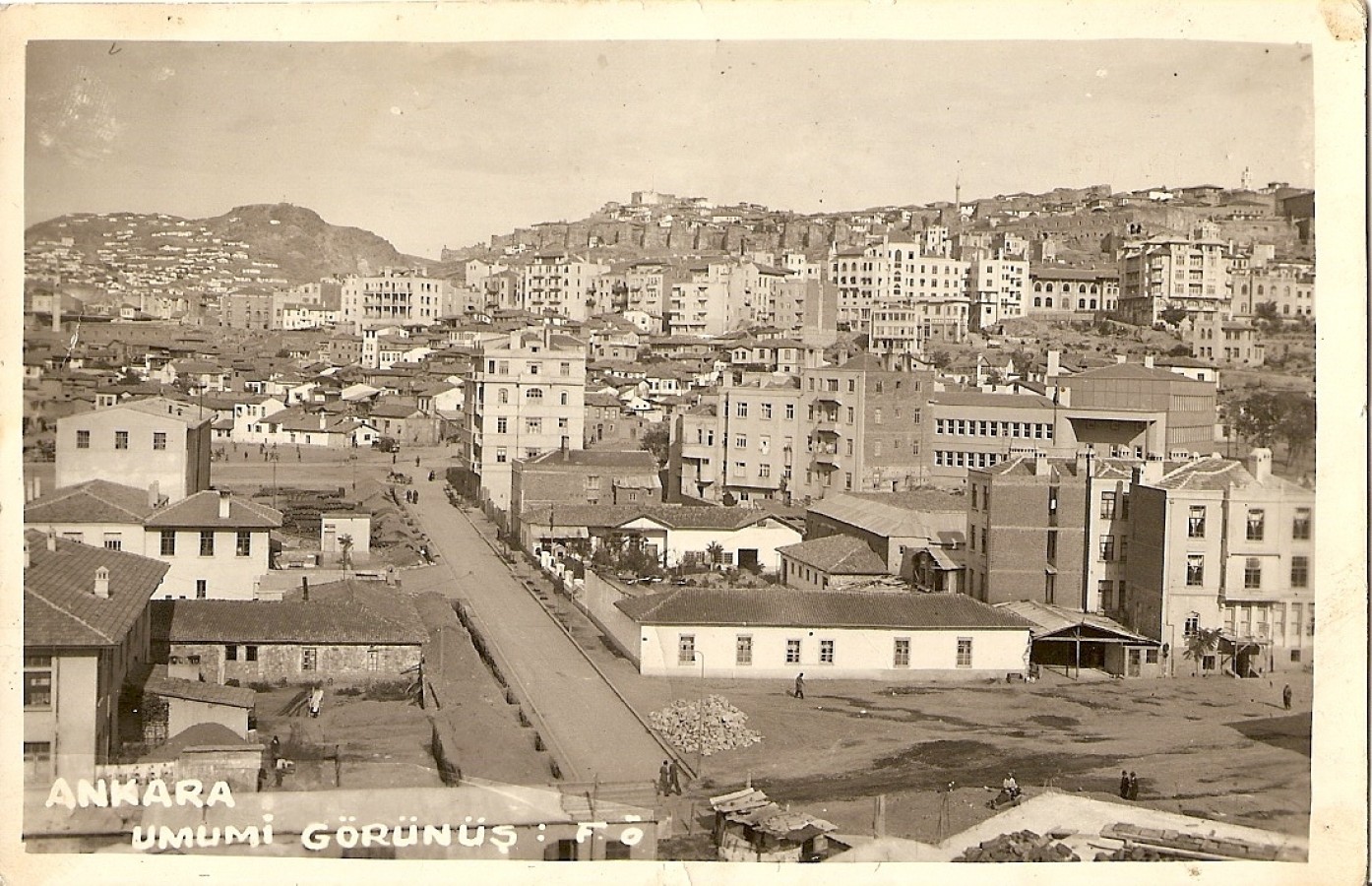
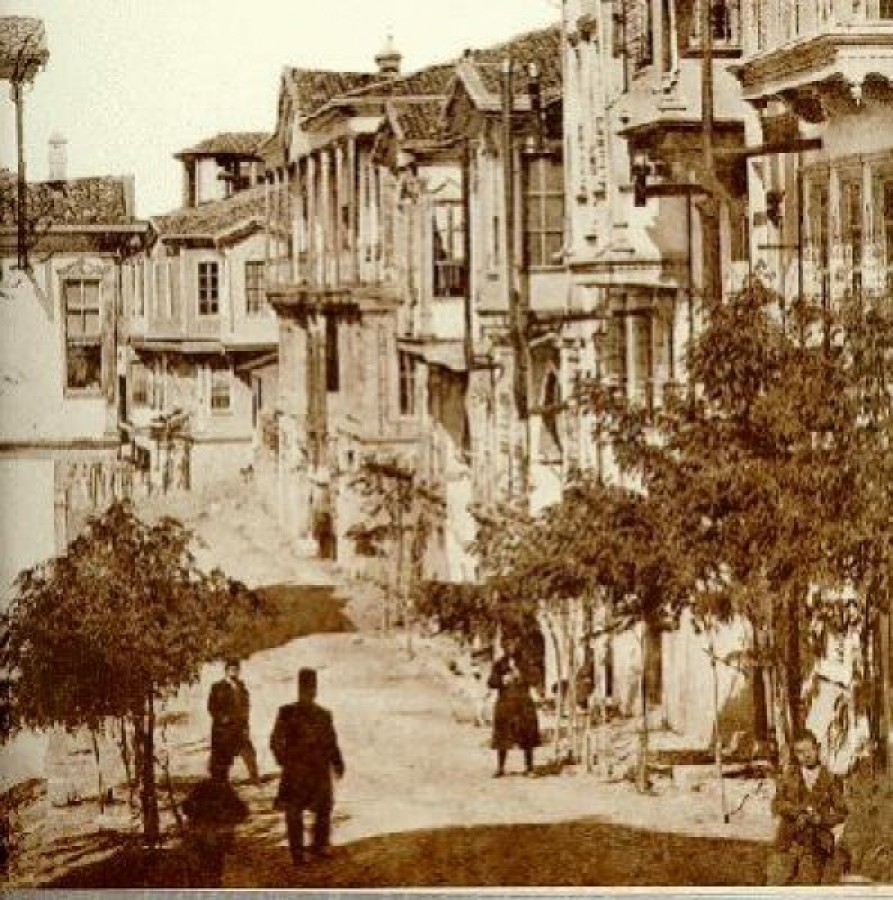
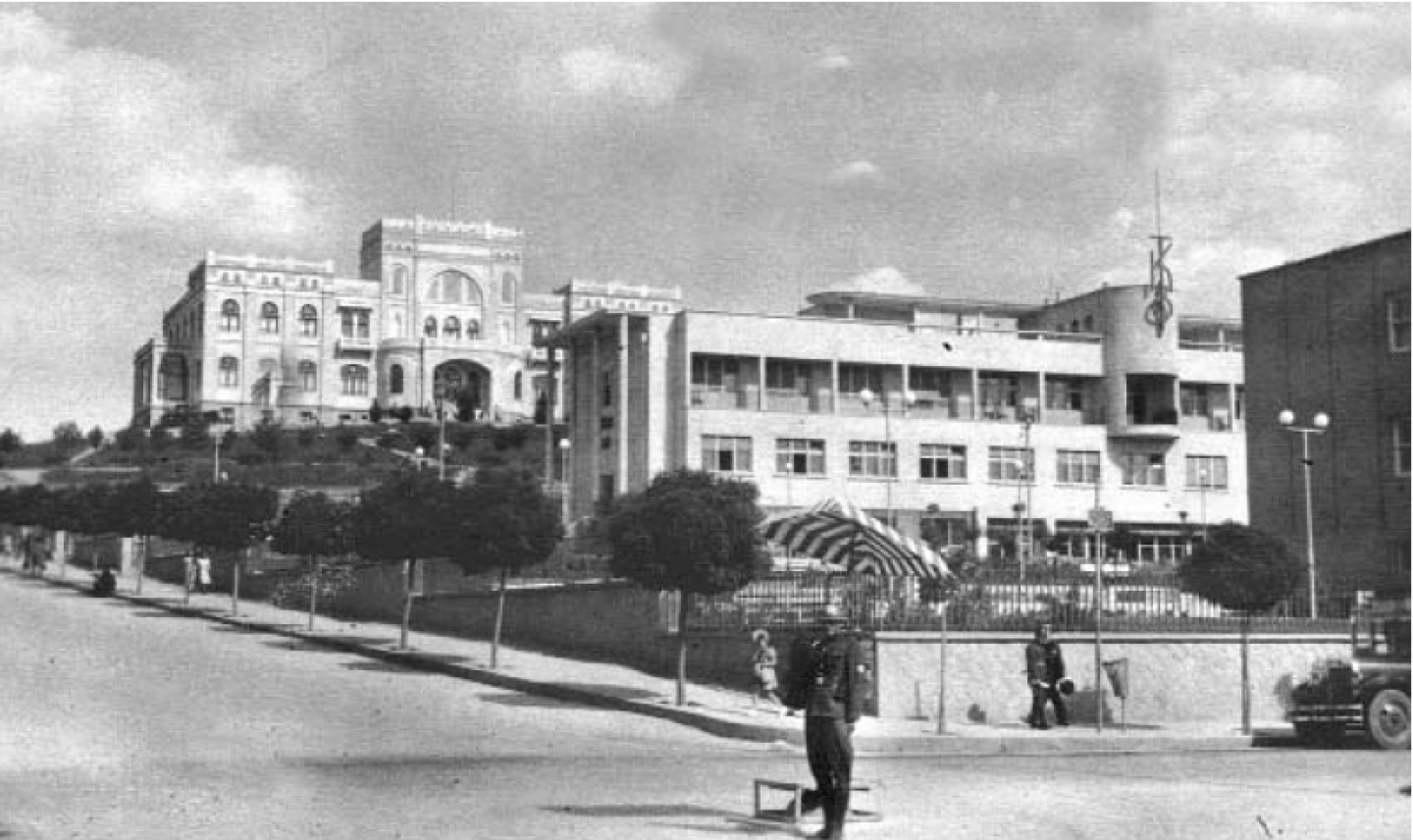
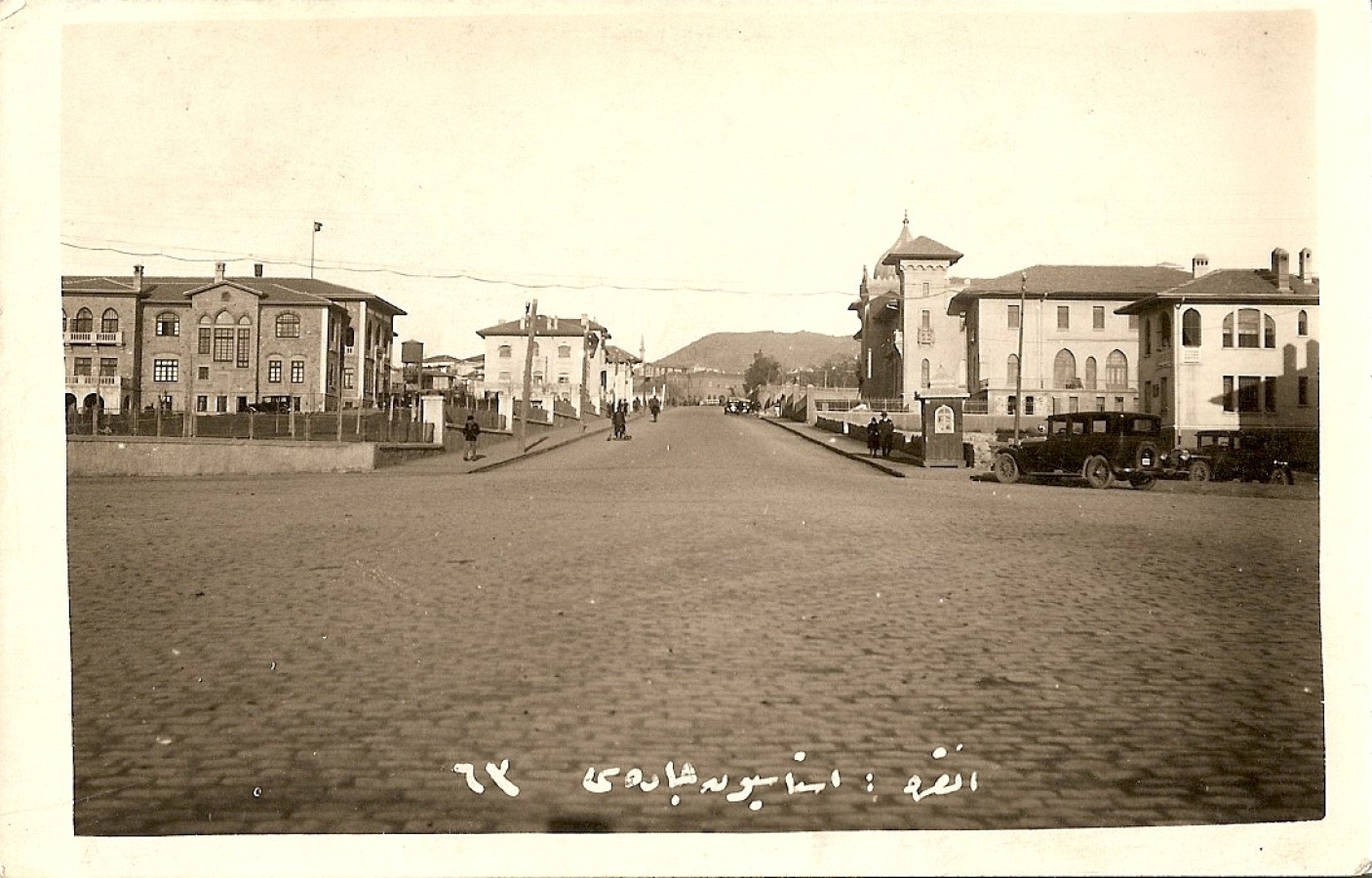
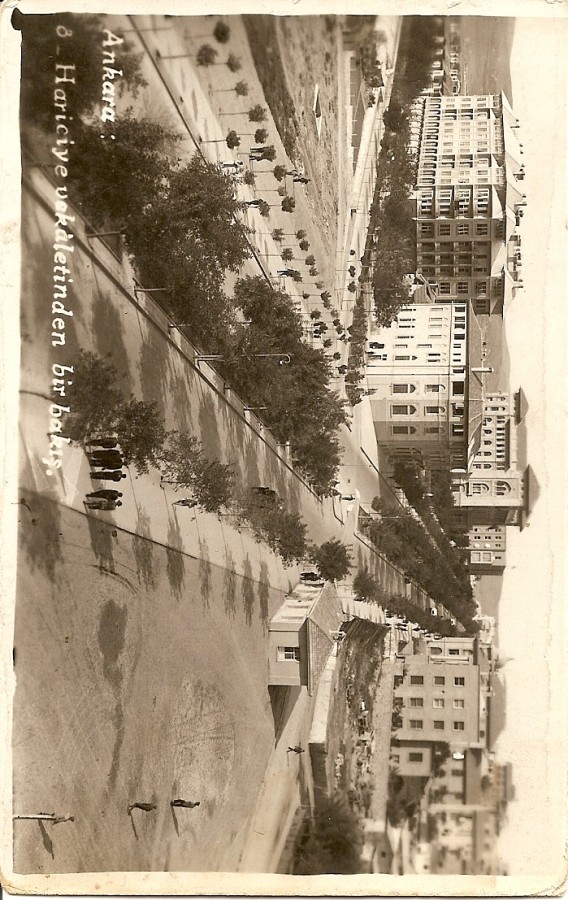
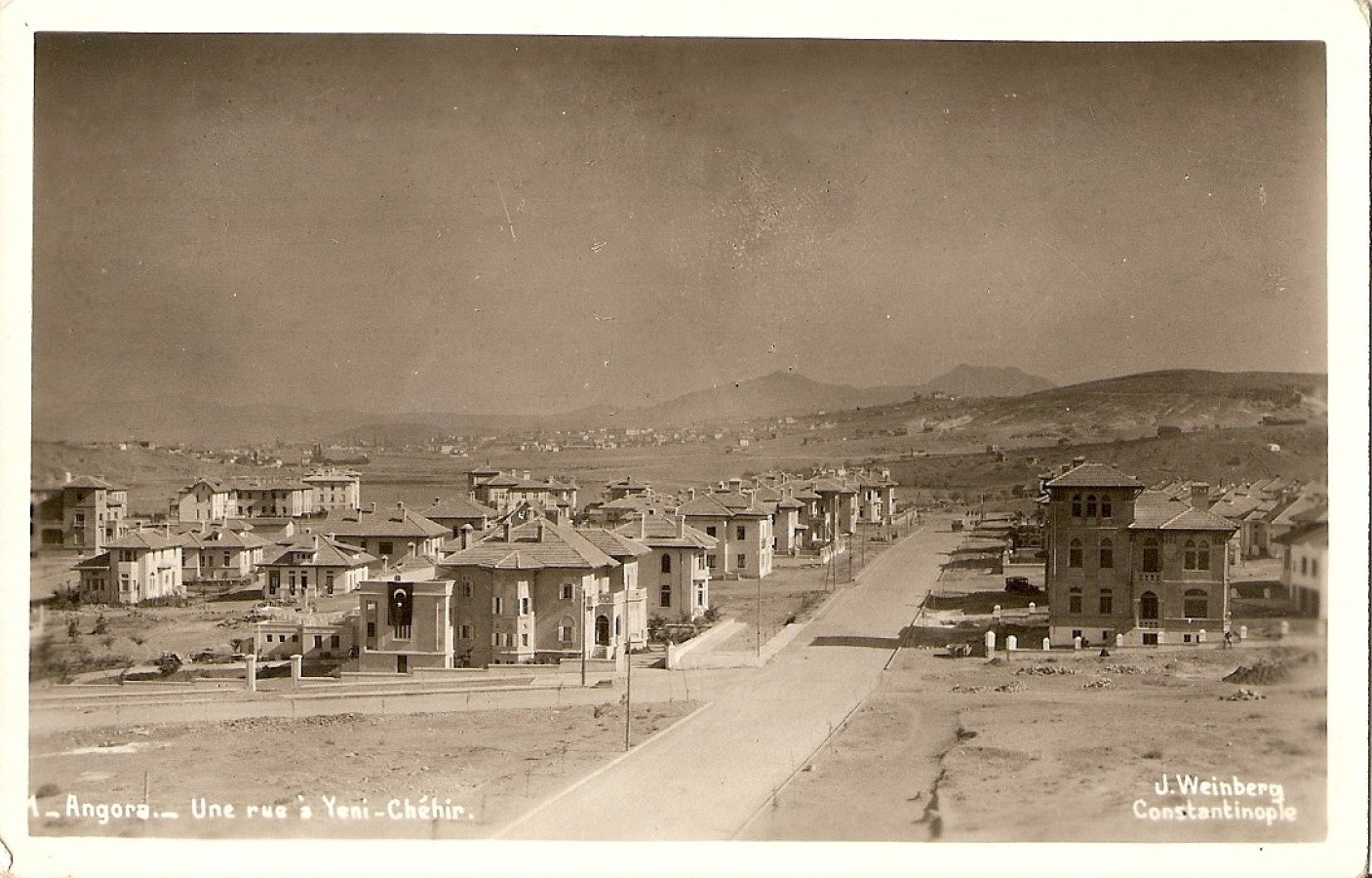
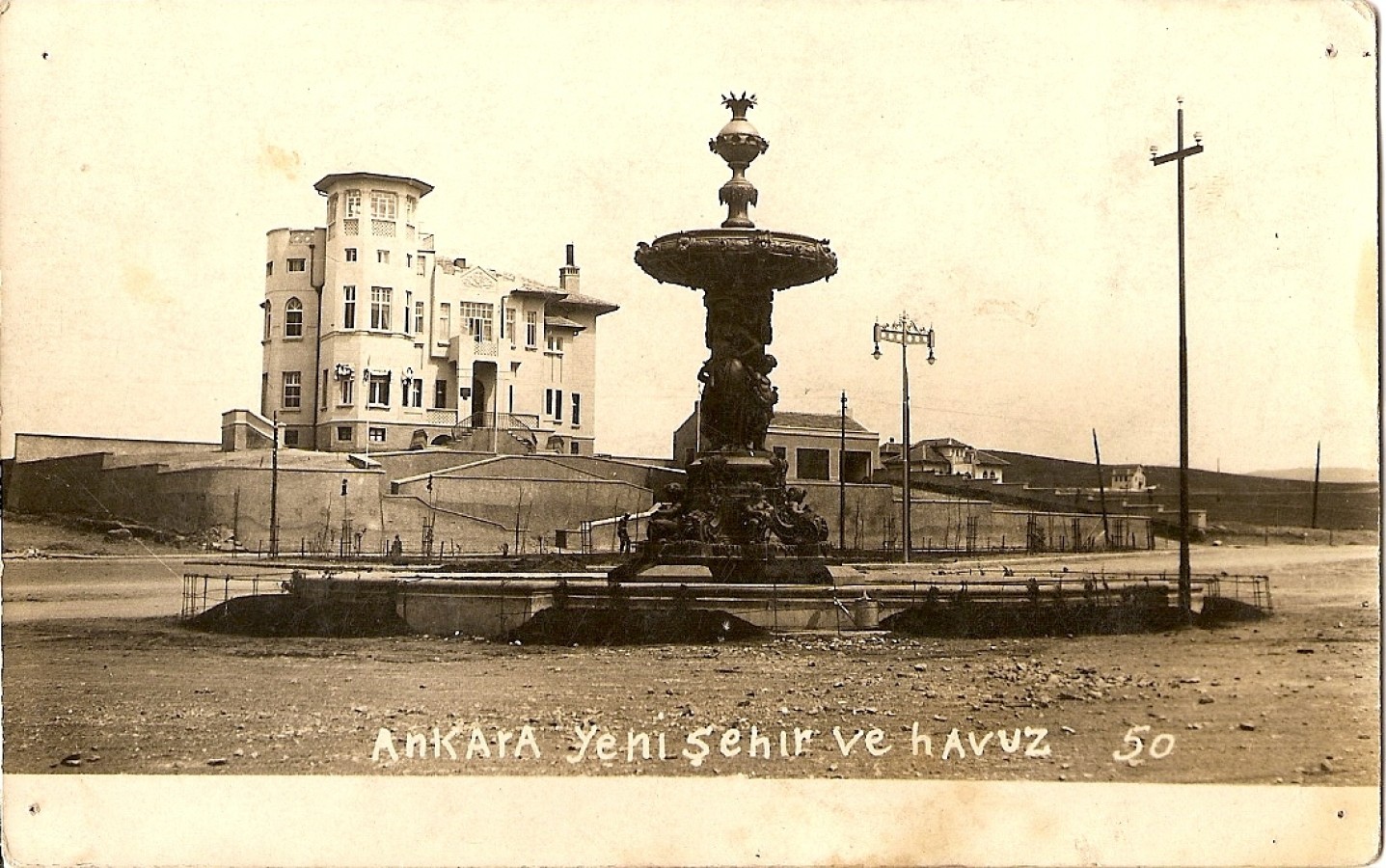
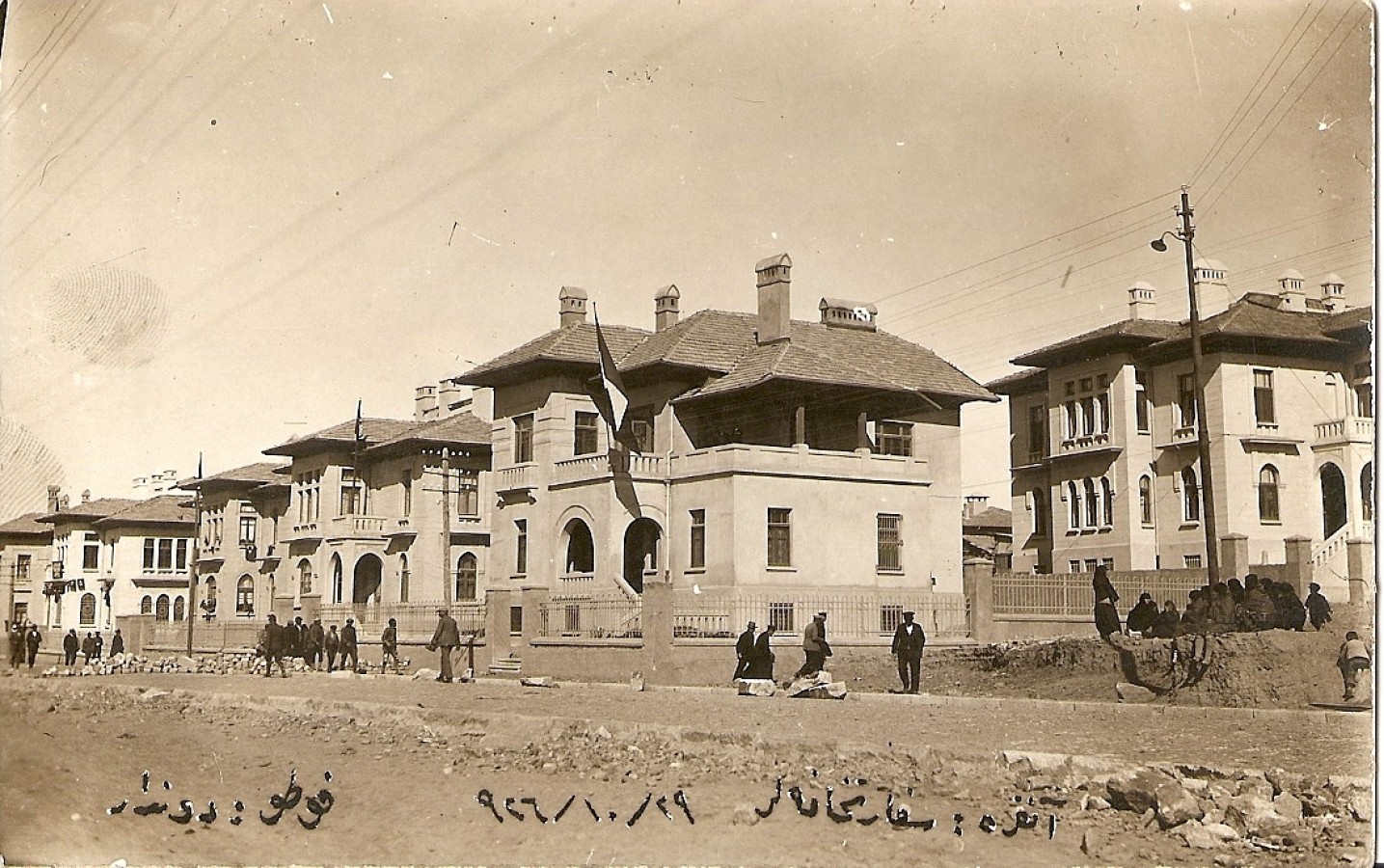
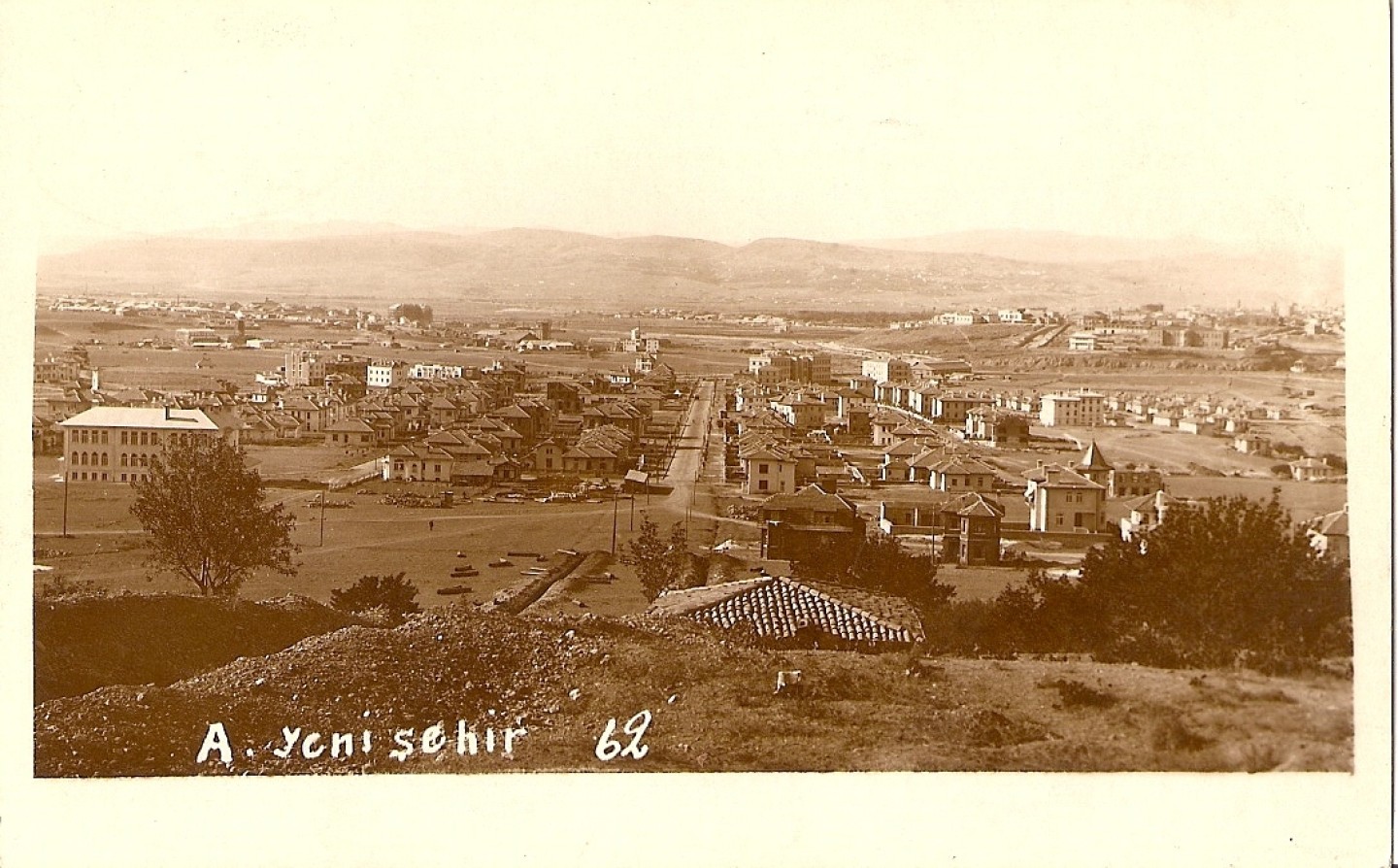
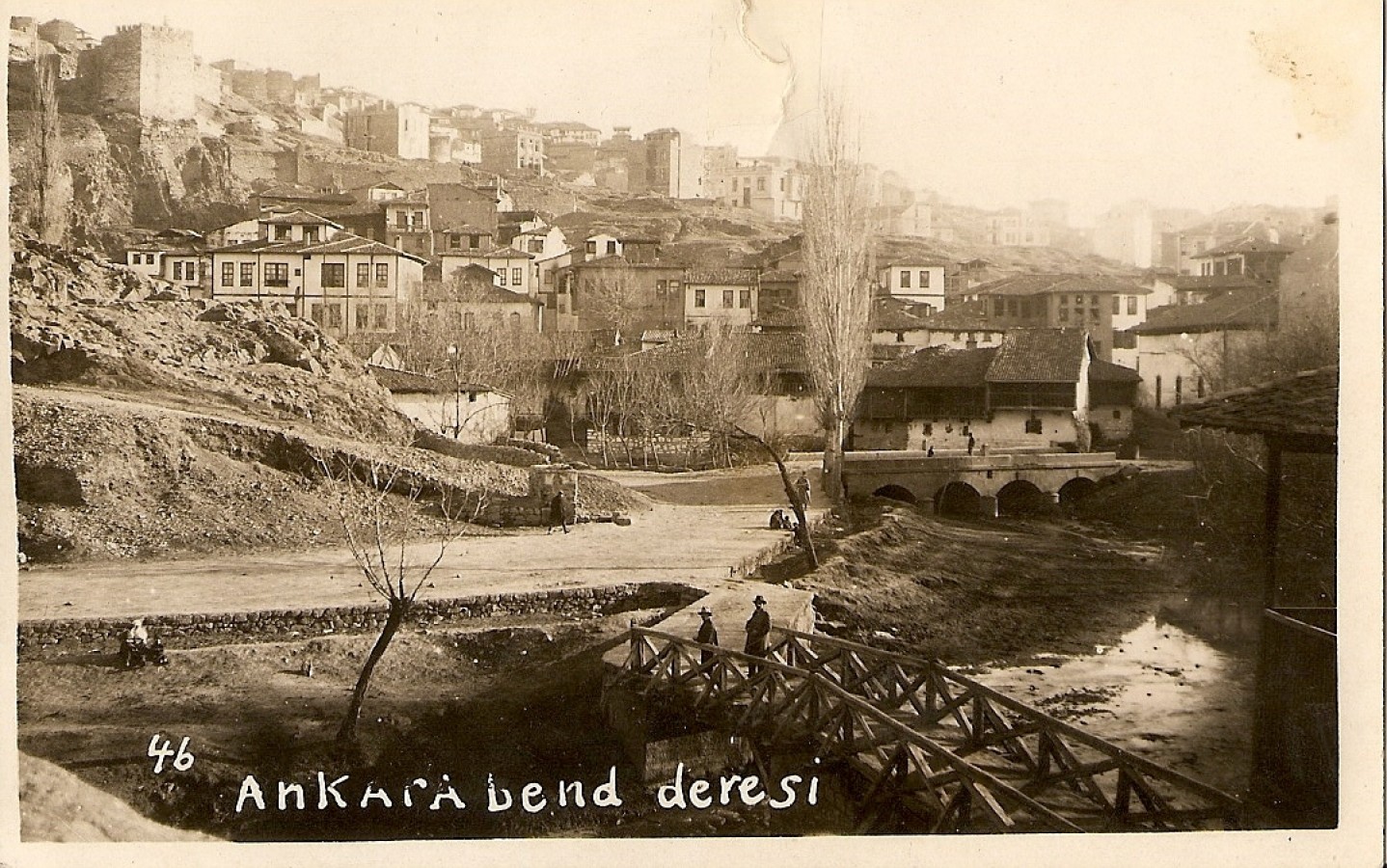
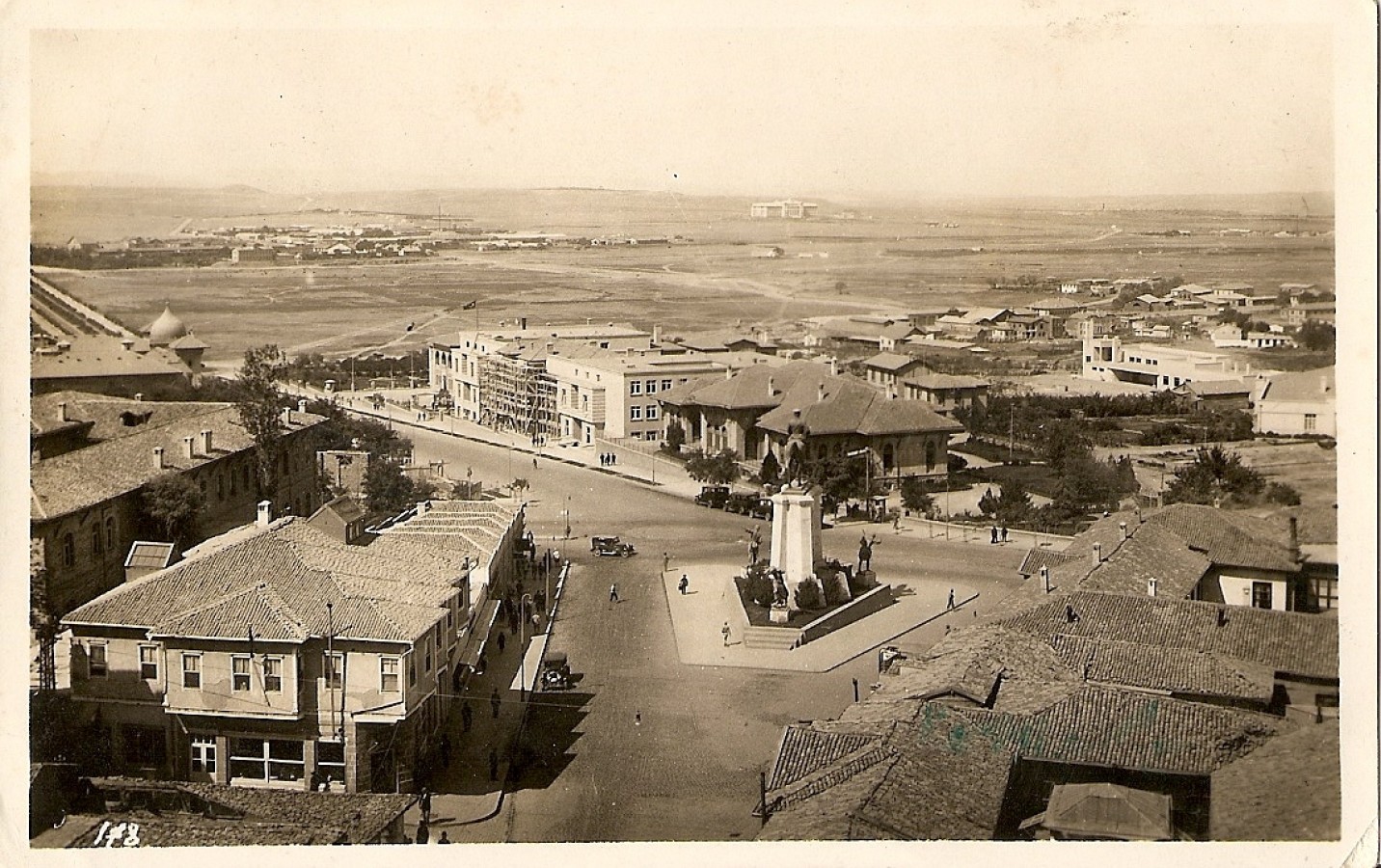
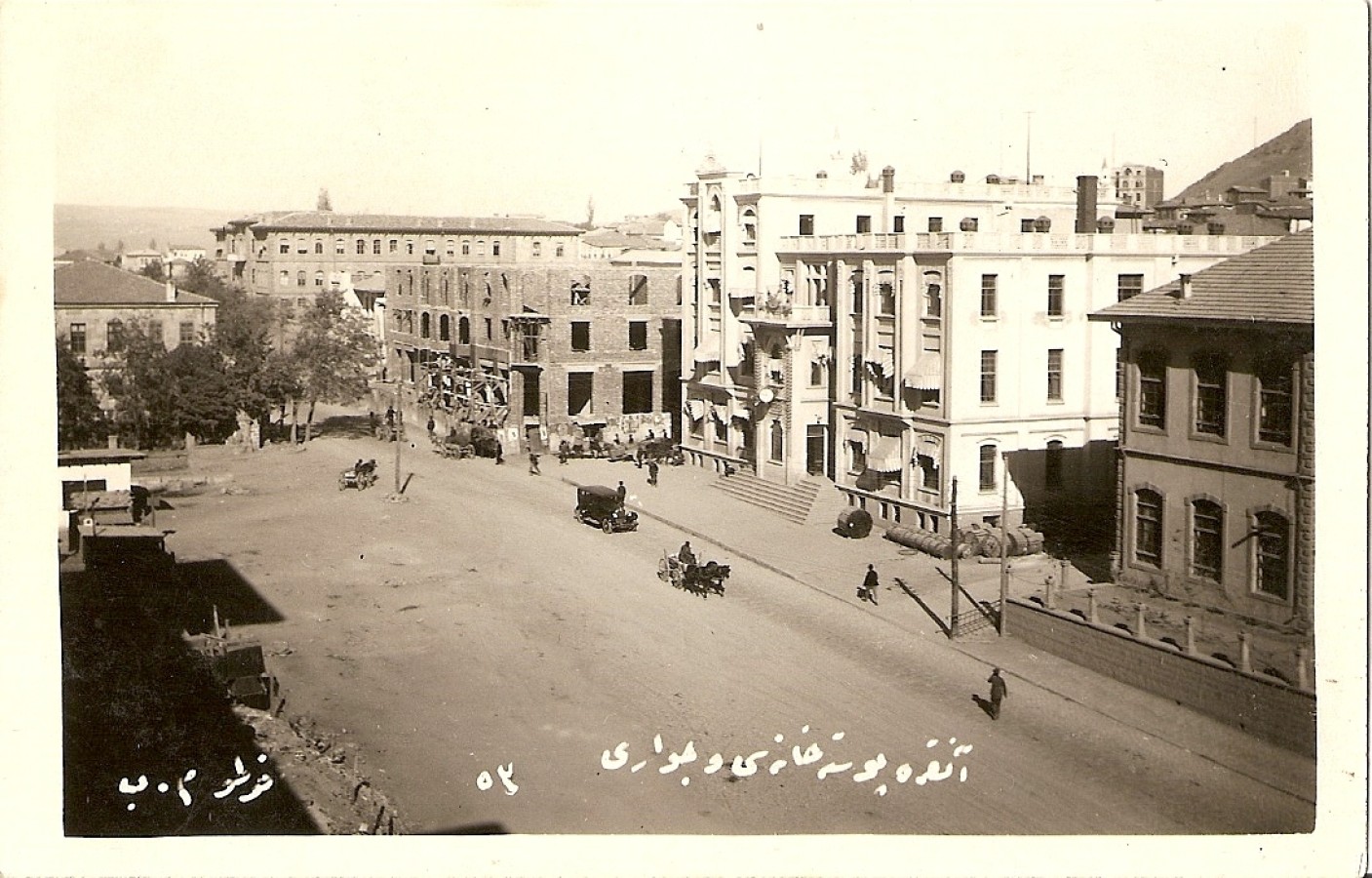
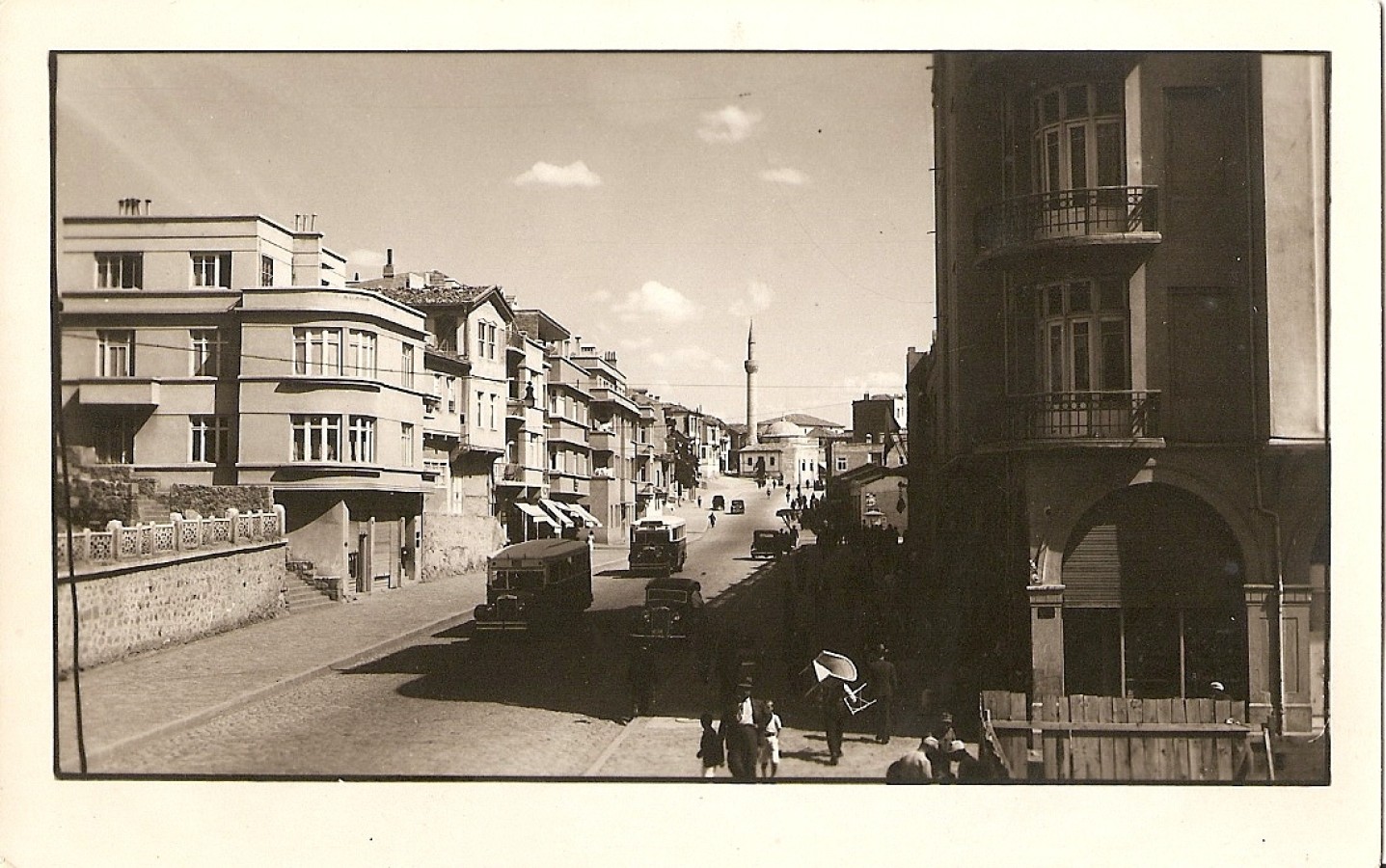
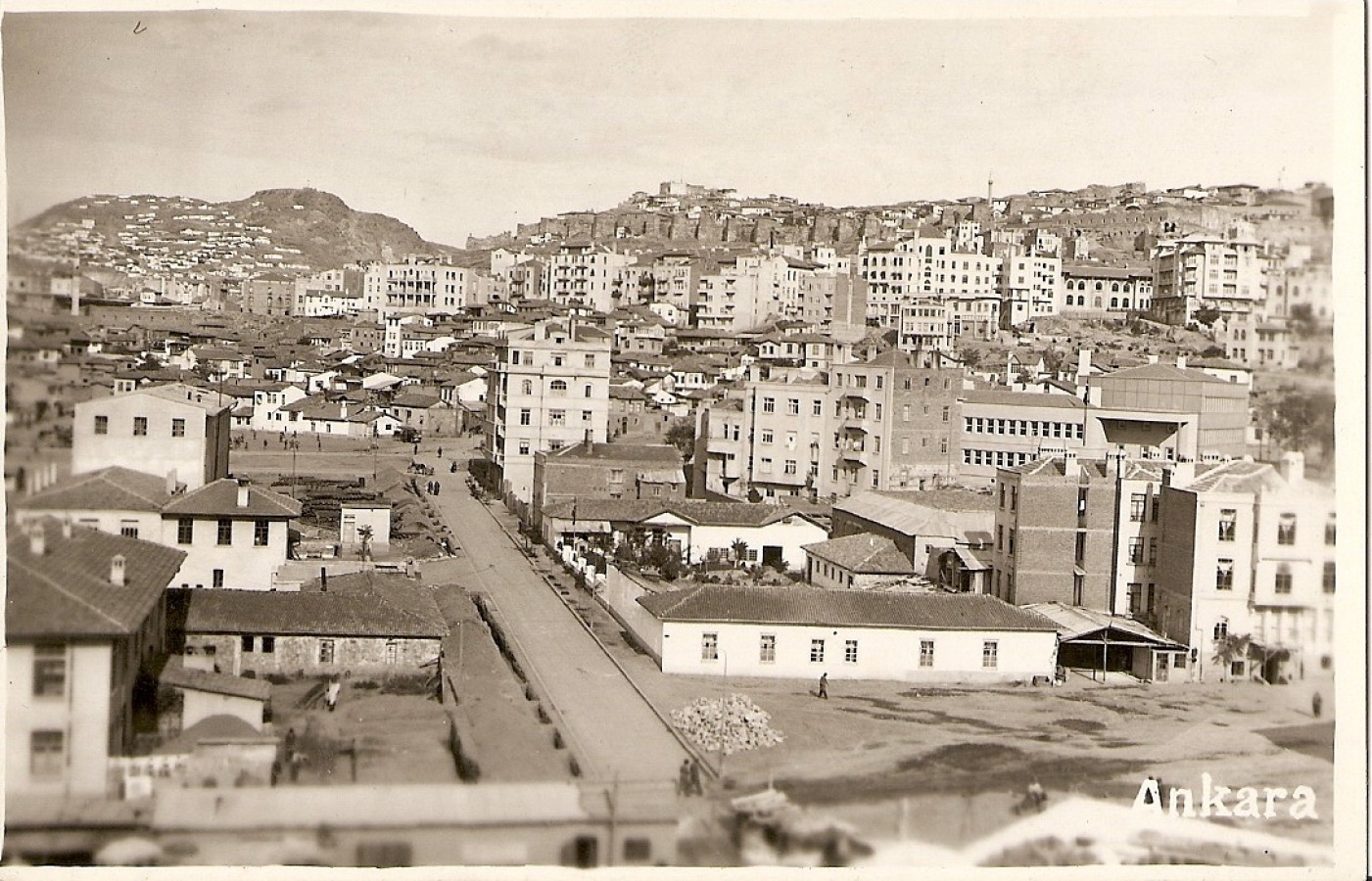
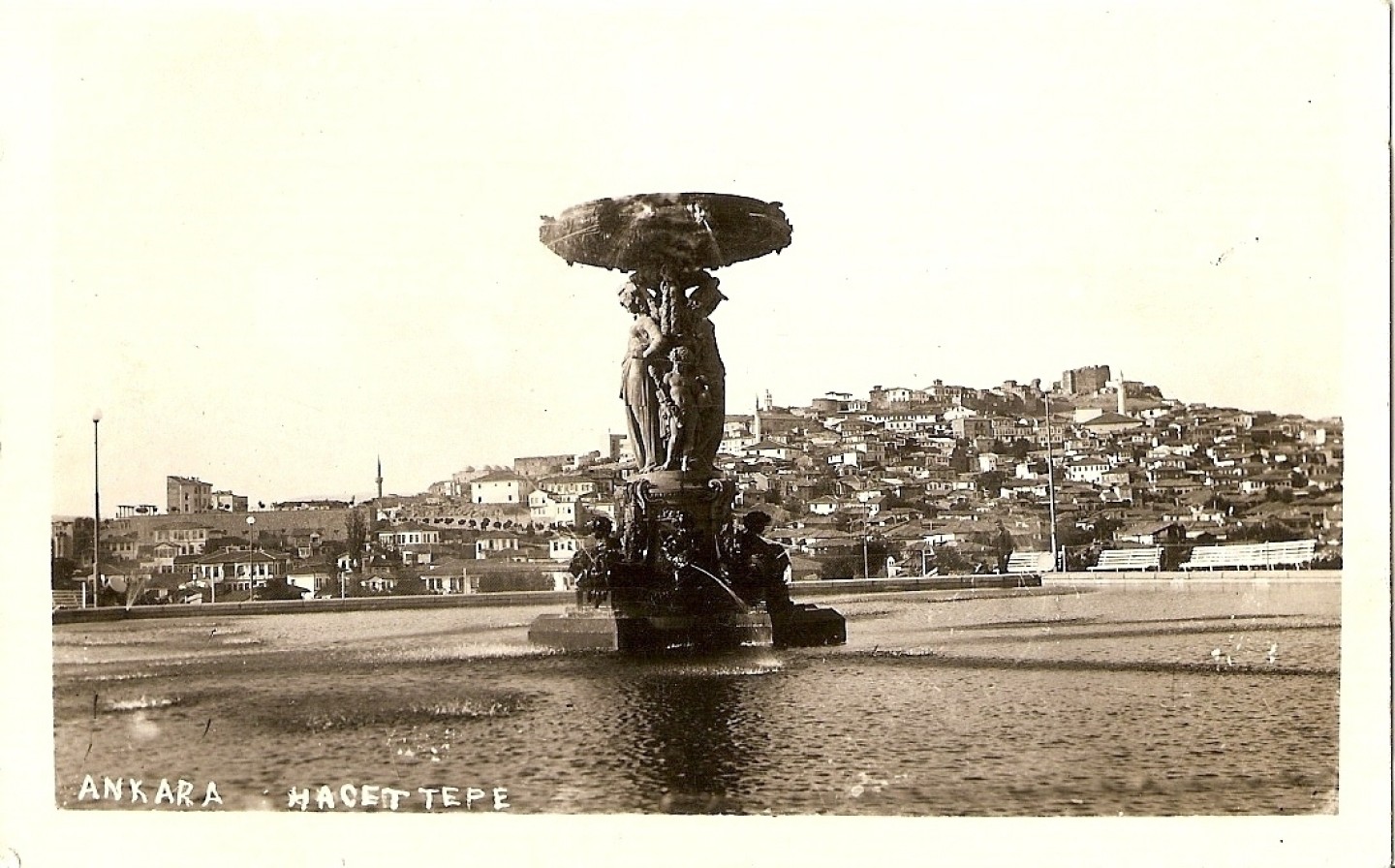
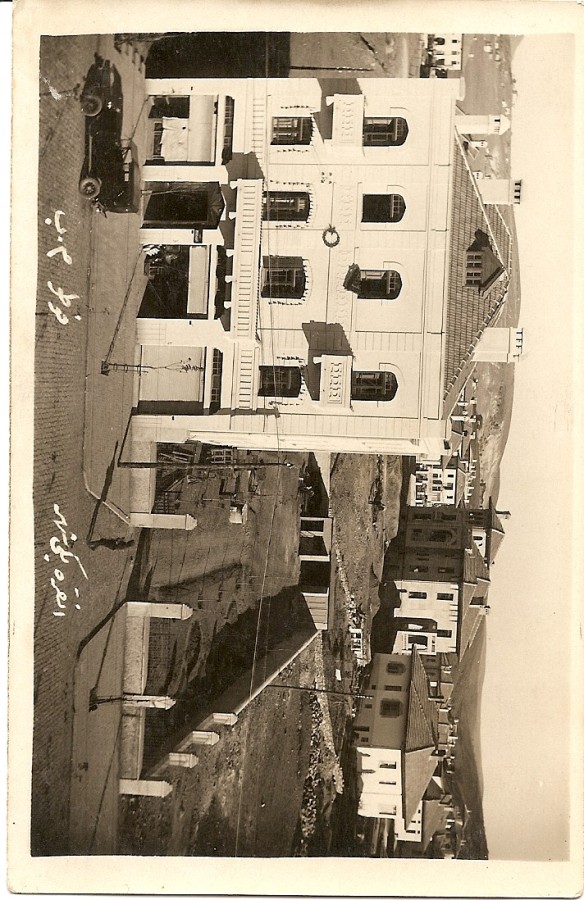
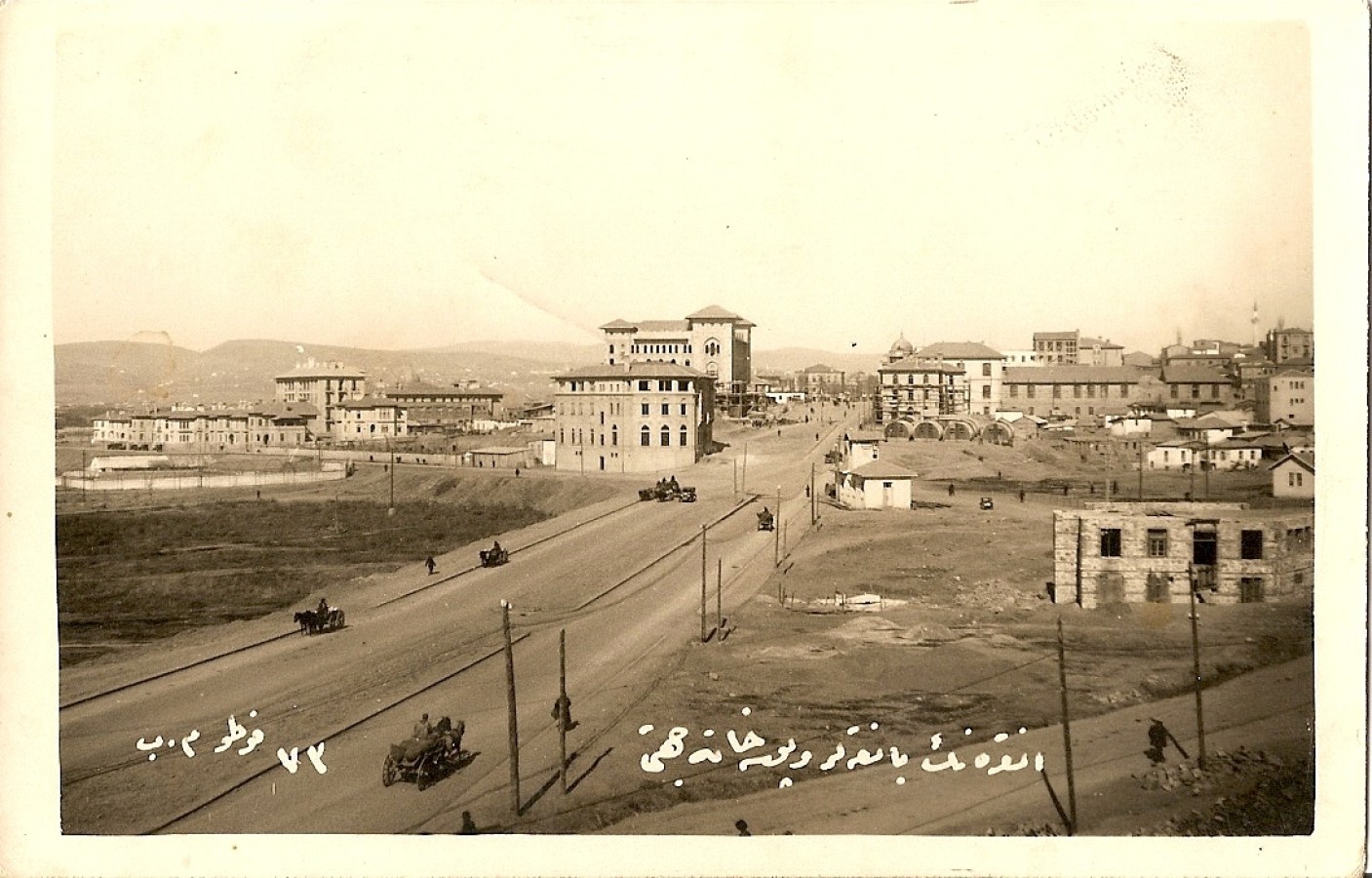
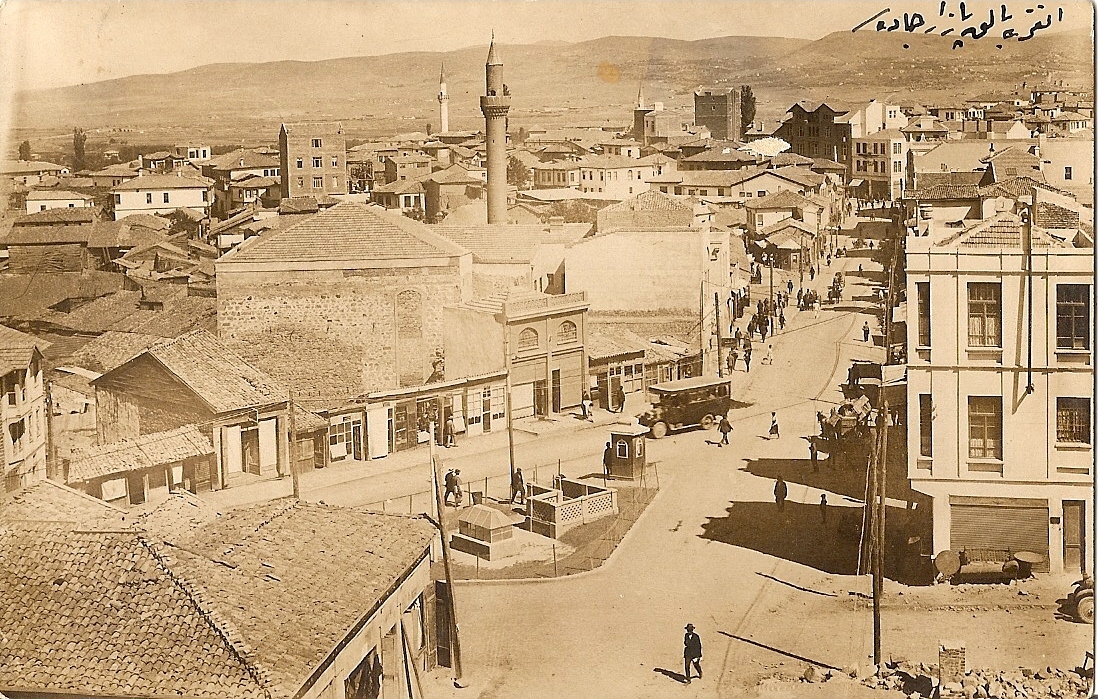
With the proclamation of the Republic, Ankara was declared the capital and gradually took on its present appearance, built upon its rich historical heritage. From the earliest years of settlement, Ankara developed primarily within the Altındağ region. With its castle, mosques, inns, baths, and houses clustered around the citadel, Ankara reflected the character of a traditional Anatolian town.
Beyond its architectural heritage, Altındağ also bears the traces of prominent thinkers and artists. Hacı Bayram-ı Veli, Mimar Sinan, and Cenabi Ahmet Pasha are among these distinguished figures. The Hacı Bayram-ı Veli Mosque and the Cenabi Ahmet Pasha Mosque—bearing the architectural legacy of Mimar Sinan—are among the most significant monuments that embody this heritage and have survived to the present day.
Ankara’s Treasures in Altındağ
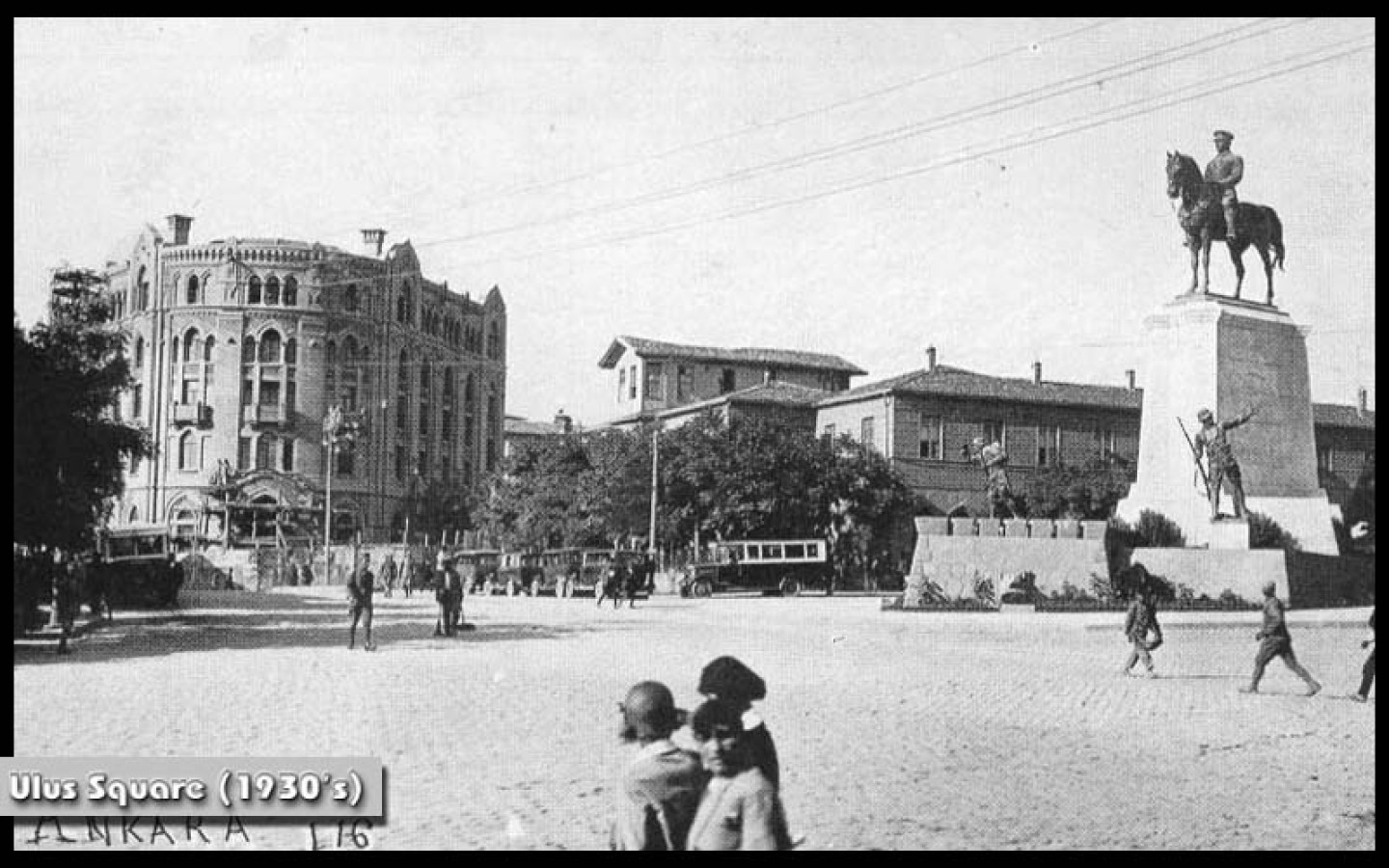
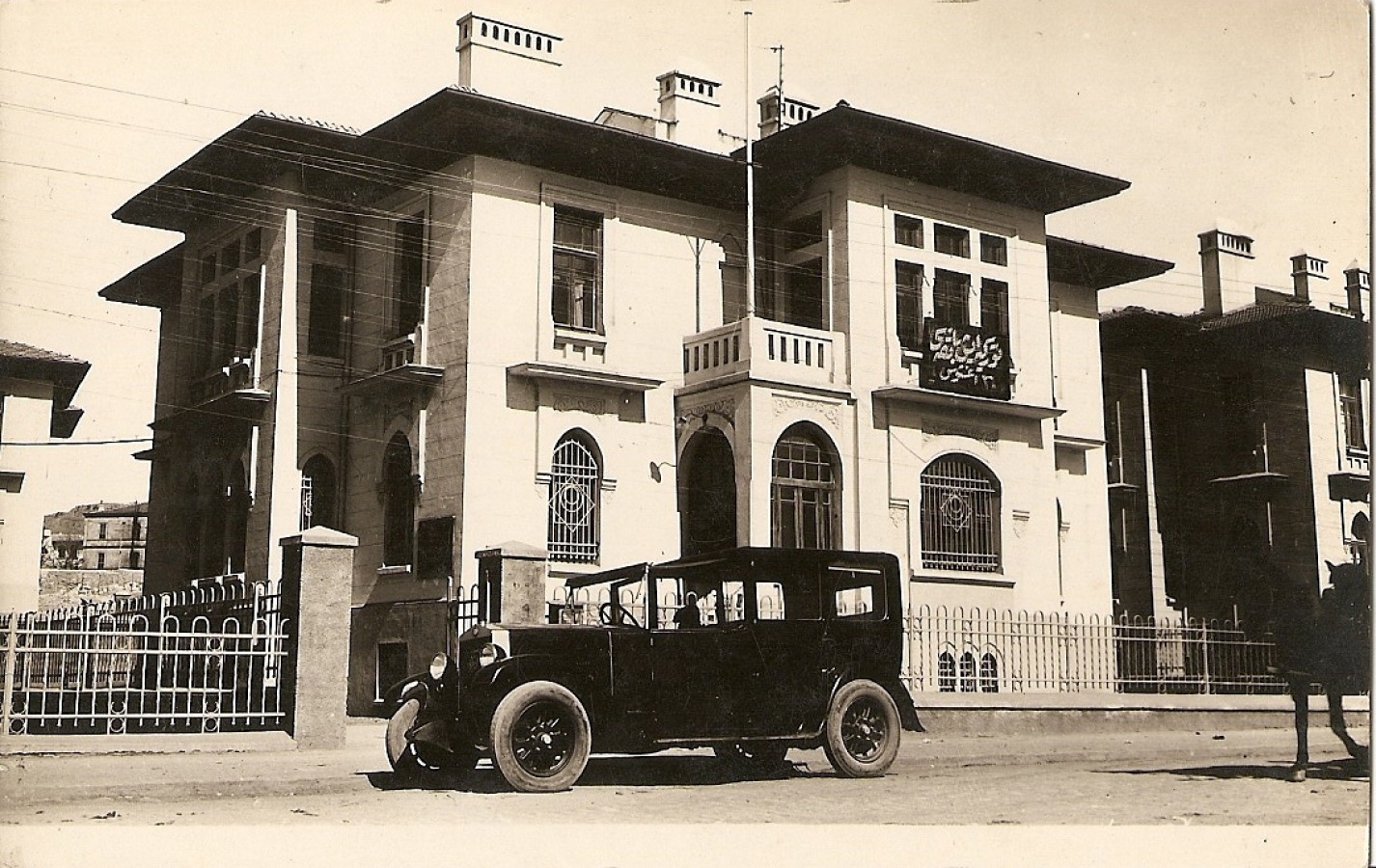
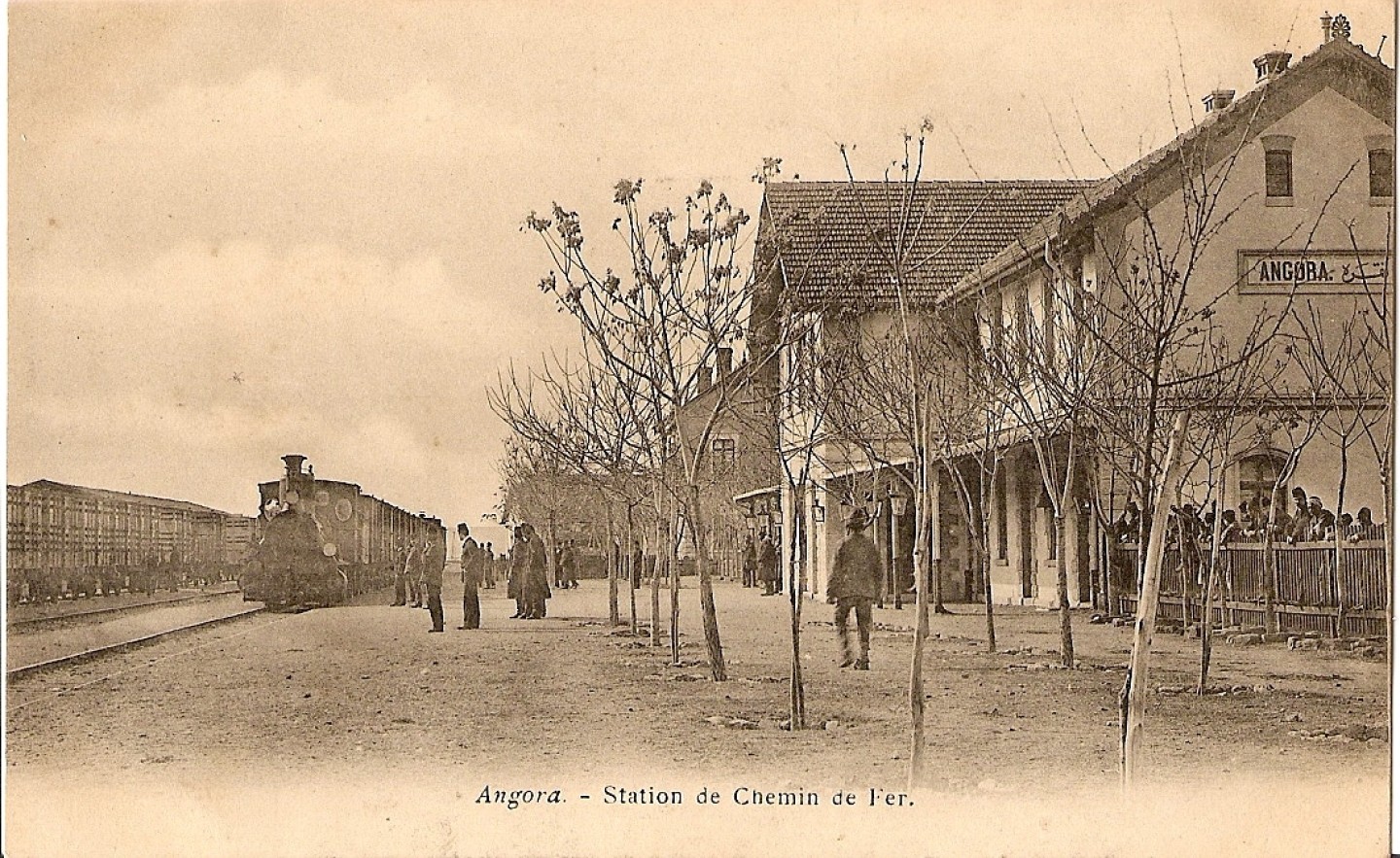
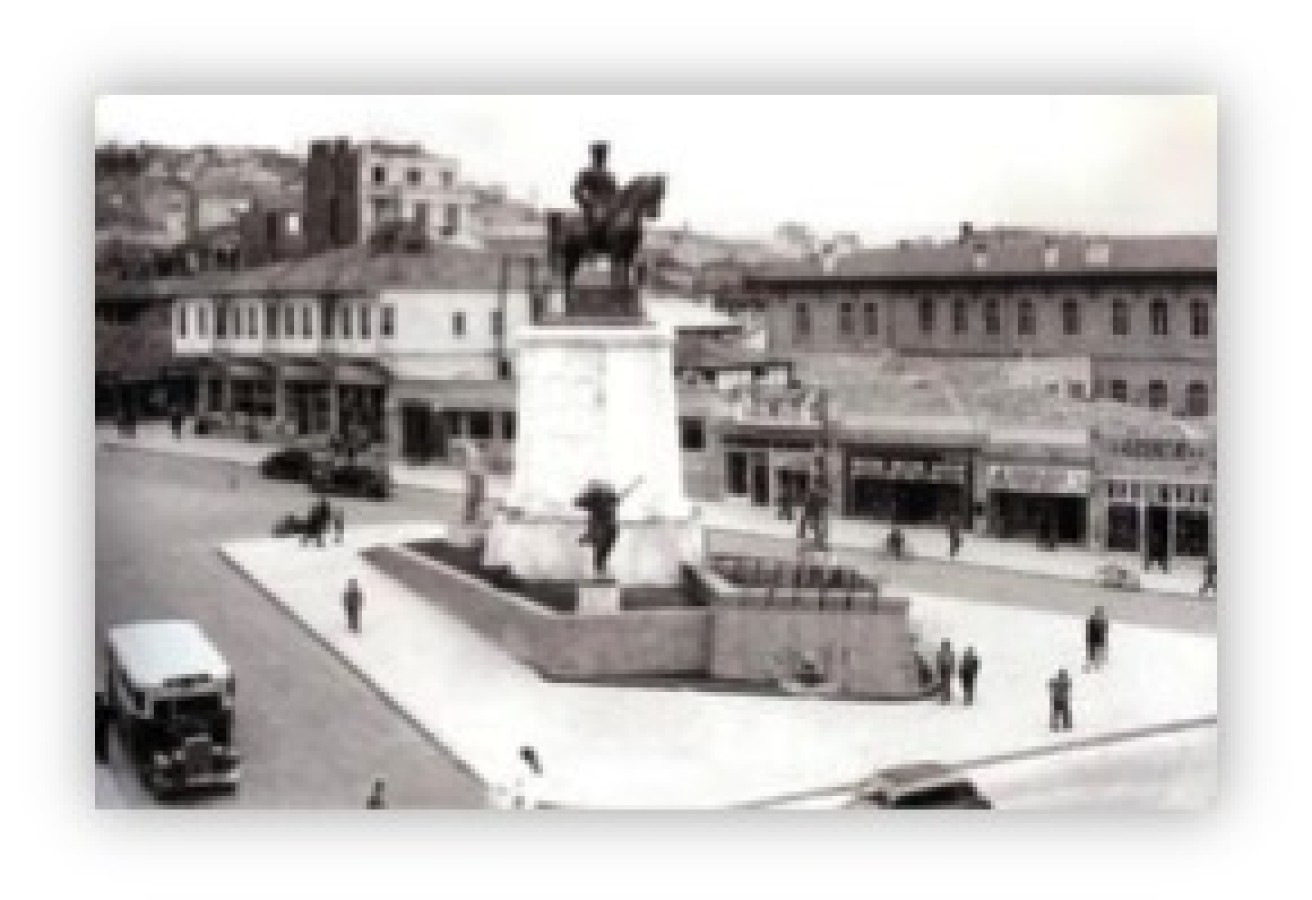
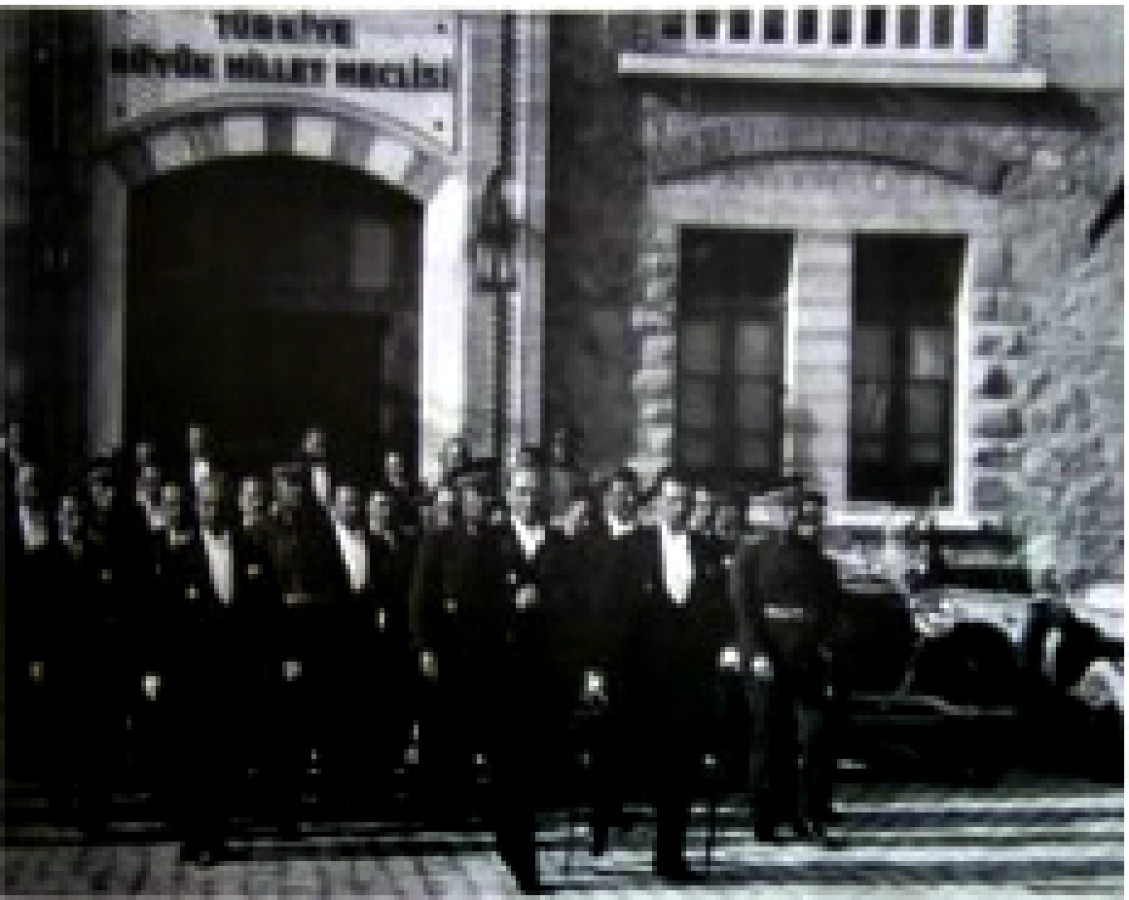
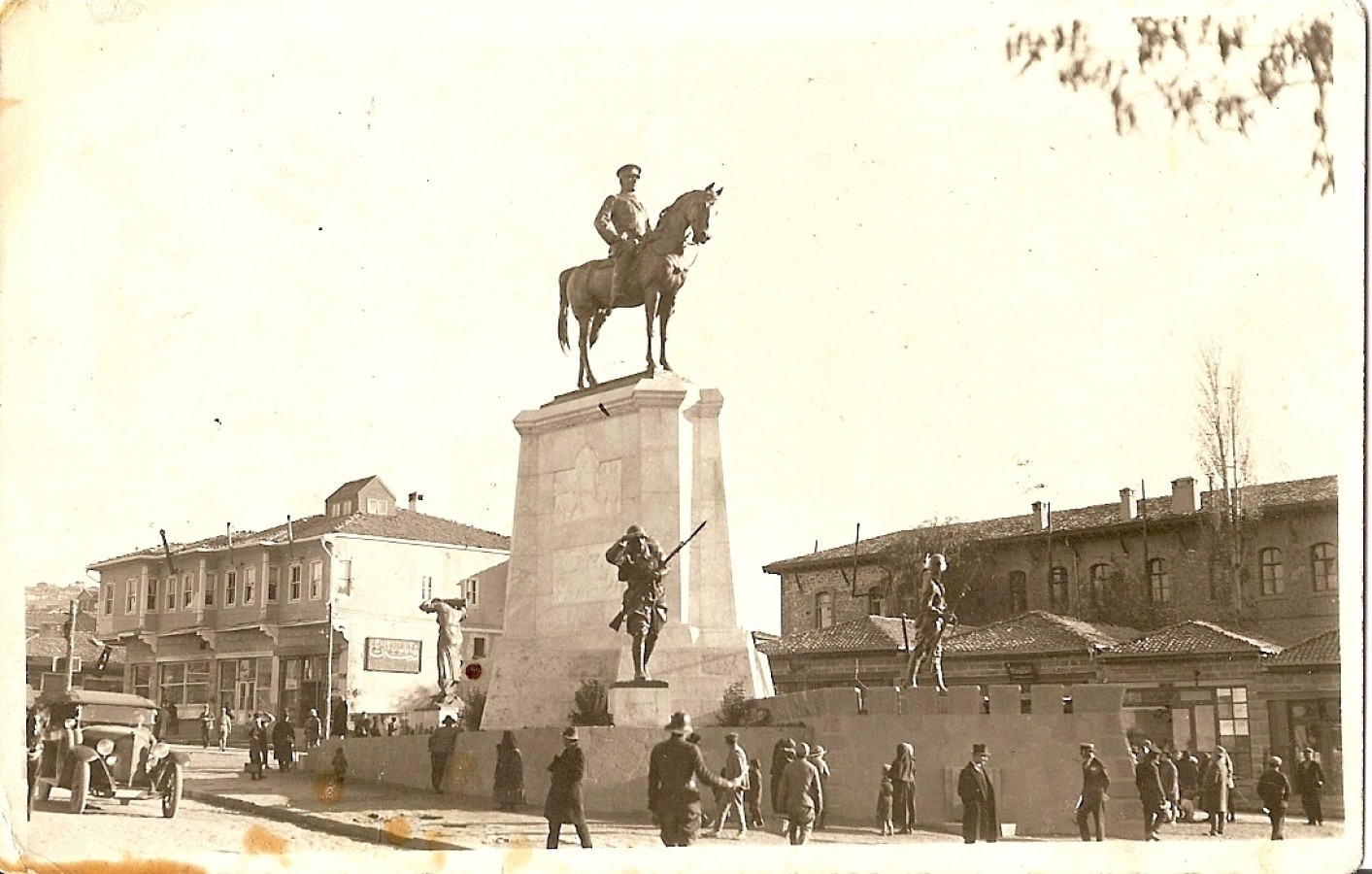
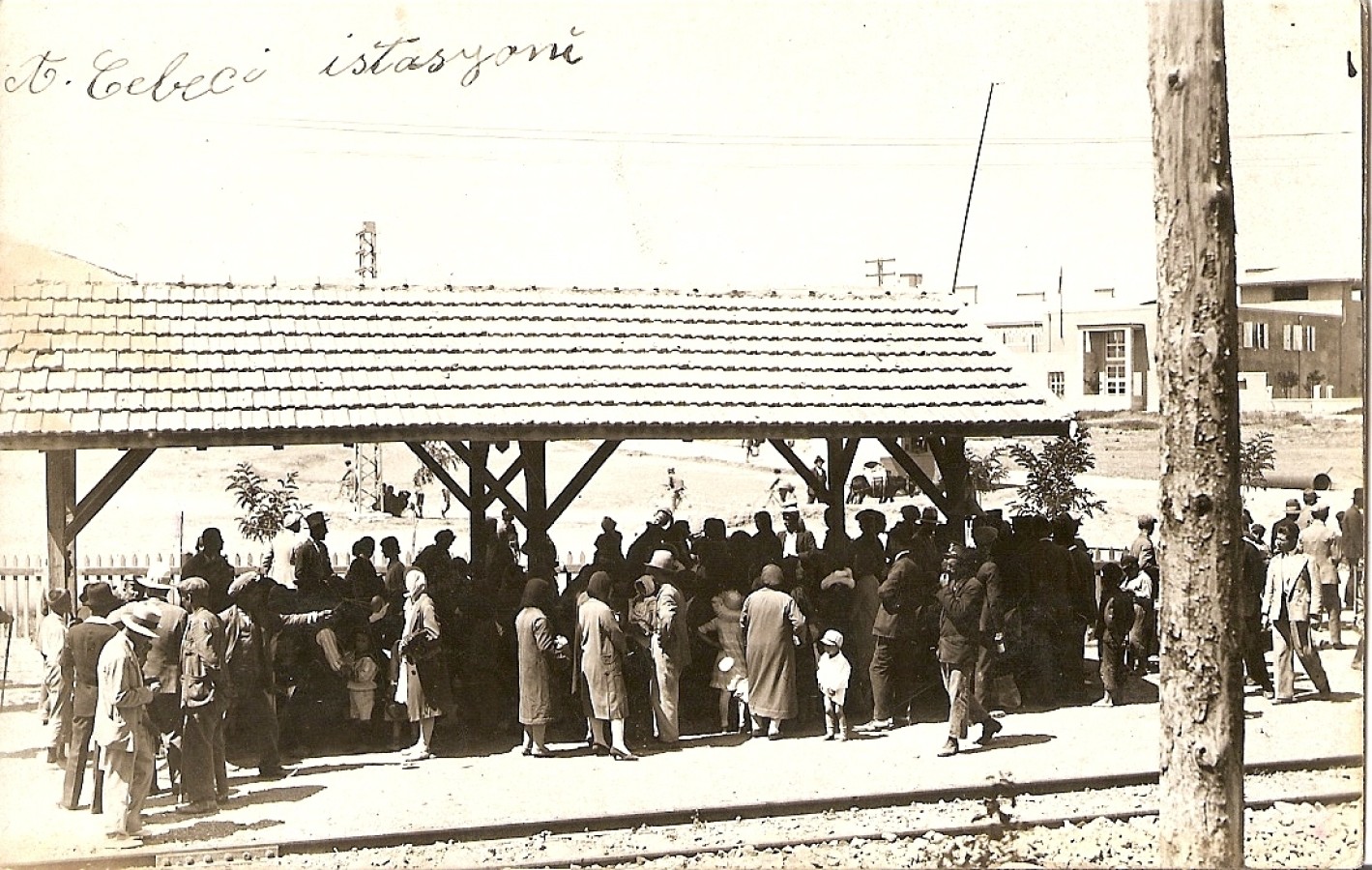
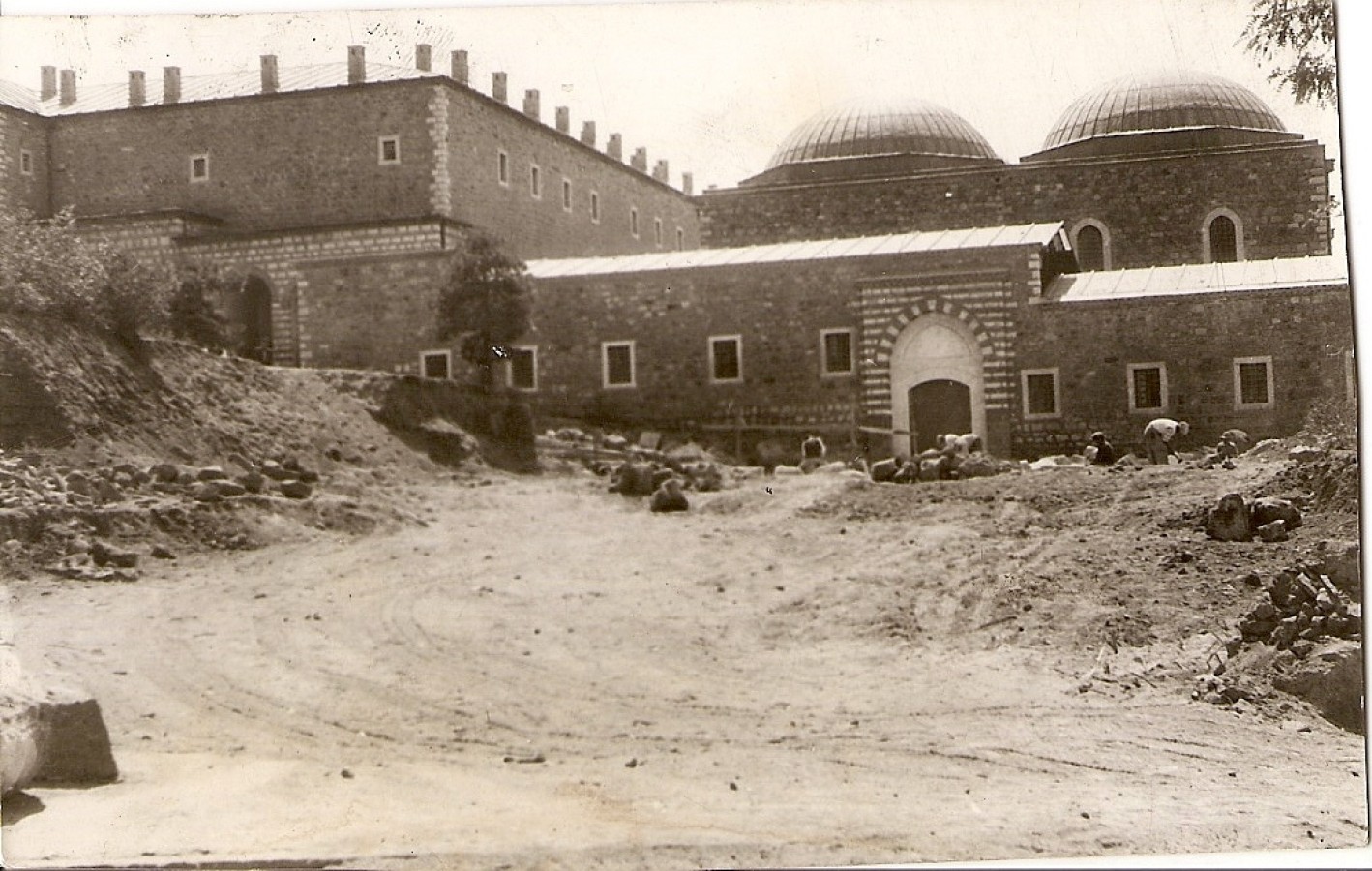
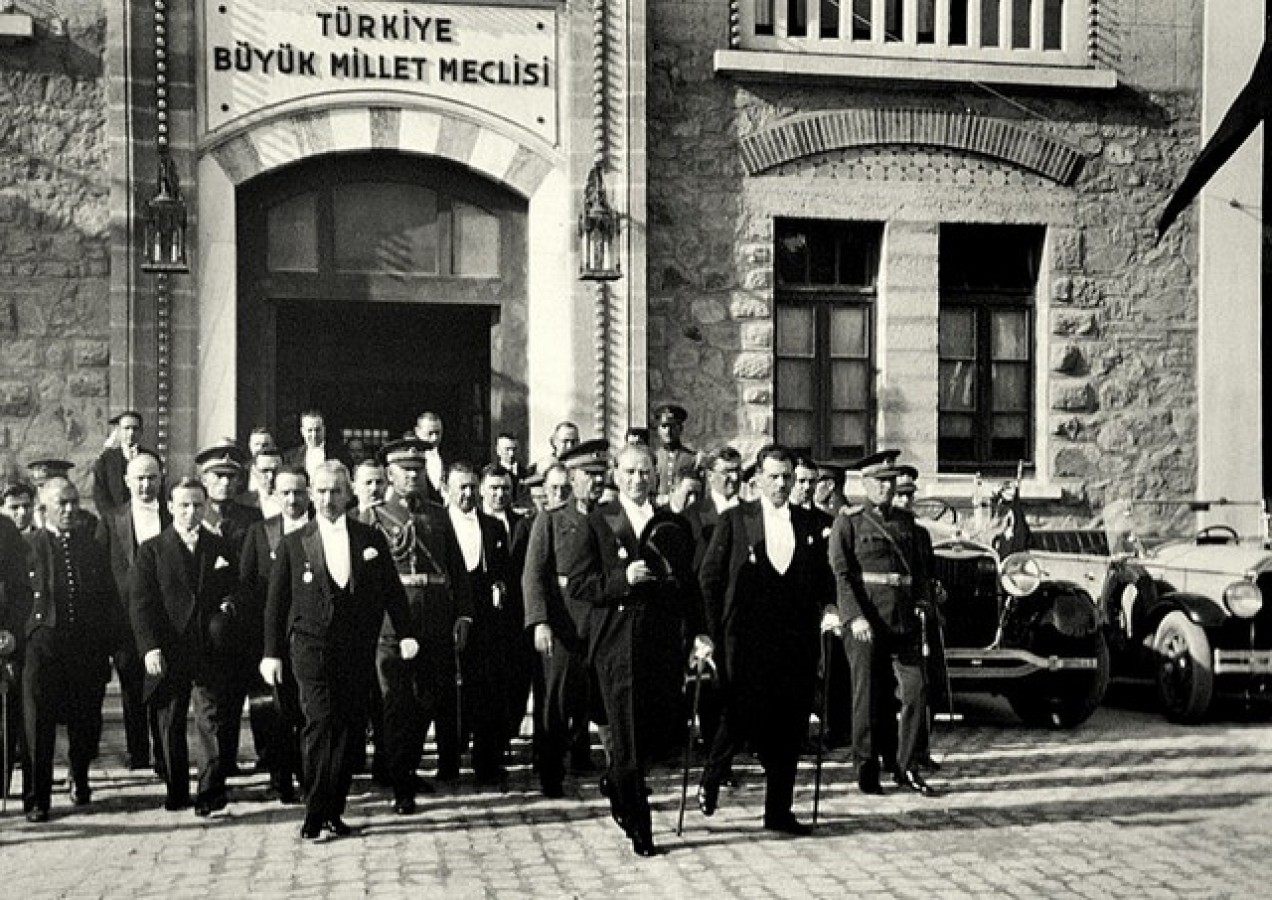
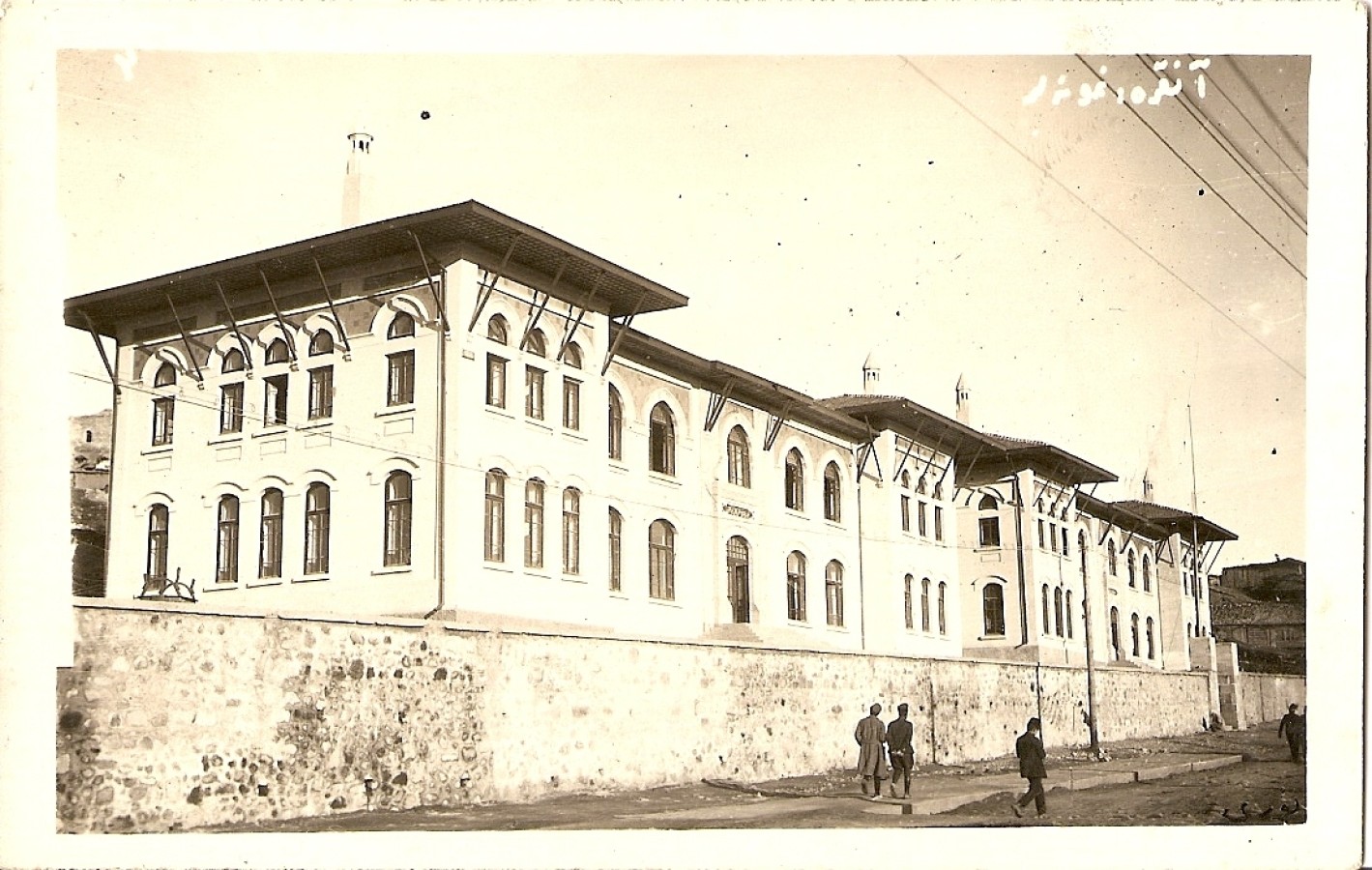
Altındağ is a must-see destination for both domestic and international visitors to Ankara. Home to the Museum of Anatolian Civilizations—one of the world’s most important civilization museums—the district also hosts other major museums such as the War of Independence Museum, the Republic Museum, the Ethnography Museum, and the Railway Museum. The First Grand National Assembly Building of the Republic and the iconic Victory Monument, a symbol of the Republic, are located in Ulus, the heart of Altındağ.
Nearly thirty Seljuk and Ottoman-era mosques that have stood for centuries adorn the city with their grandeur. Suluhan Bazaar brings vitality through commerce, Çengelhan contributes with its industrial museum, and Pirinçhan adds life as a center of culture and arts. The Roman Baths, the Temple of Augustus, and the Julian Column offer visitors a mystical journey into the Roman and Byzantine empires. With its cultural and historical richness, as well as its mosques, churches, and synagogues, Altındağ represents one of the most vivid examples of Anatolia’s cultural mosaic.